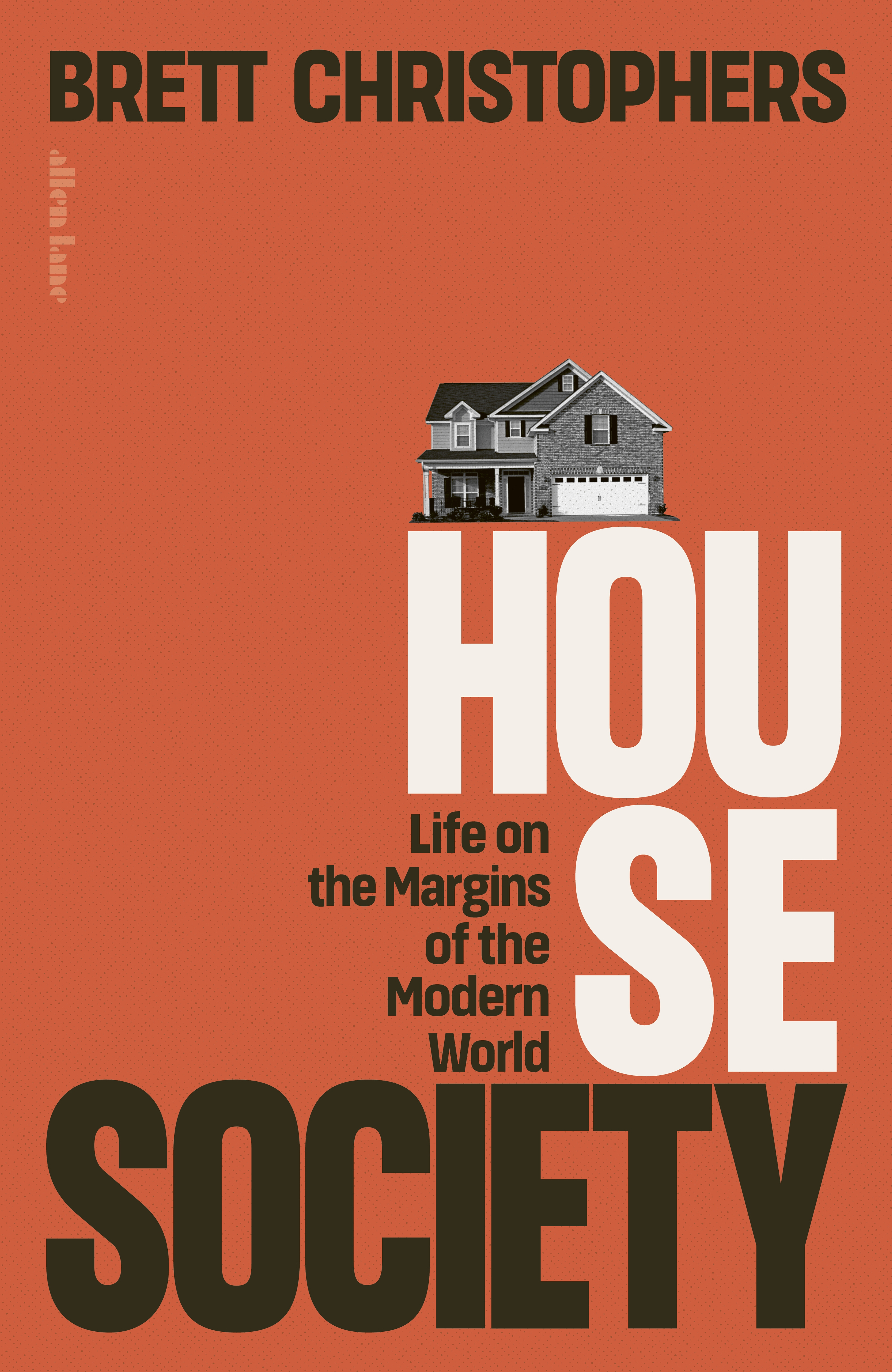
The world is in the midst of a deep and worsening housing crisis. It has caused rents to soar in Britain, millions to protest in Spain, and a government to collapse in Sweden. Under a global ideology that exalts homeownership above all else, on every continent we see greed trump the human need for housing.
Yet we still think of housing problems as a symptom of other issues – of inequality, migration, or regulation. Award-winning geographer Brett Christophers turns this thinking on its head. Housing does not merely reflect our societies’ problems. Instead, it makes our societies what they are.
Journeying across both hemispheres – from the scapegoating of migrants in Canada to the turning of Brazilian favelas into investment opportunities, and American corporations taking advantage of depopulation in Japan – Christophers reveals in stark terms how the relation between landlords and tenants shapes all of our lives, and how everywhere renting exists marginalised in the shadow of homeownership.
With incisive clarity and passion, House Society shows how different countries’ housing crises have been made, and how, in turn, they are remaking our entire world. But Christophers shows that we can still choose to make housing – and our world – differently.