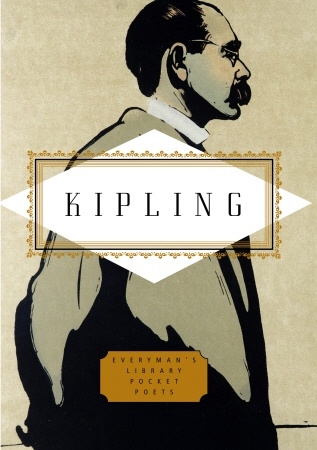
A gloriously presented gift book containing all aspects of Kipling's verse, from party pieces such as Mandalay and If, to the powerful epigrams he produced in response to the war.
Rudyard Kipling (1865-1936) is perhaps the most controversial major English poetof the last two centuries, not least because of his apparent enthusiasm for the empire. A child of British India, he first became famous for tales of imperial life, notably Kim, the Jungle Book and Barrack Room Ballads. Kipling wrote verse in every classical form from the epigram to the ode, but his most distinctive gift was for the ballads and narrative poems in which he draws vivid characters in universal situations and articulates profound truths in plain language. Yet he was also a subtle and deeply affecting anatomist of the human heart, with a feeling for the natural world which rivals his younger contemporary, D. H. Lawrence. Shattered by World War I in which he lost his only son, his work darkens and deepens in later years, but never loses its extraordinary vitality.
Rudyard Kipling was born in Bombay, India, to British parents on December 30, 1865. In 1871 Rudyard and his sister, Trix, aged three, were left to be cared for by a couple in Southsea, England. Five years passed before he saw his parents again. His sense of desertion and despair were later expressed in his story "Baa Baa, Black Sheep" (1888), in his novel The Light That Failed (1890), and in his autobiography, Something of Myself (1937). As late as 1935, Kipling still spoke bitterly of the "House of Desolation" at Southsea: "I should like to burn it down and plough the place with salt."
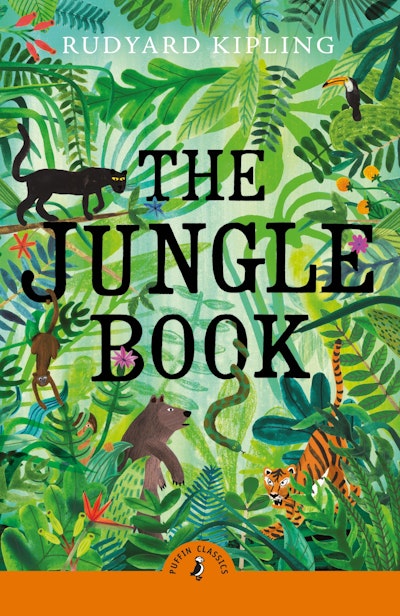
Kipling and his wife settled in Brattleboro, Vermont, where Kipling wrote The Jungle Book(1894), TheSecond Jungle Book (1895), and most of Captains Courageous (1897). By this time Kipling's popularity and financial success were enormous.
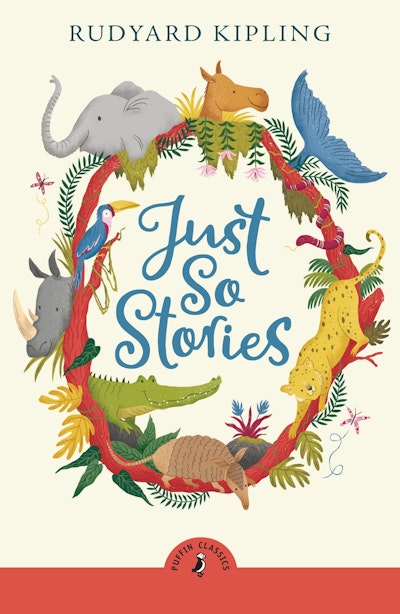
In 1899 the Kiplings settled in Sussex, England, where he wrote some of his best books: Kim (1901), Just So Stories (1902), and Puck of Pook's Hill (1906). In 1907 he received the Nobel Prize for Literature. By the time he died, on January 18, 1936, critical opinion was deeply divided about his writings, but his books continue to be read by thousands.