- Published: 2 July 2026
- ISBN: 9780241400456
- Imprint: Penguin eBooks
- Format: EBook
- Pages: 1200
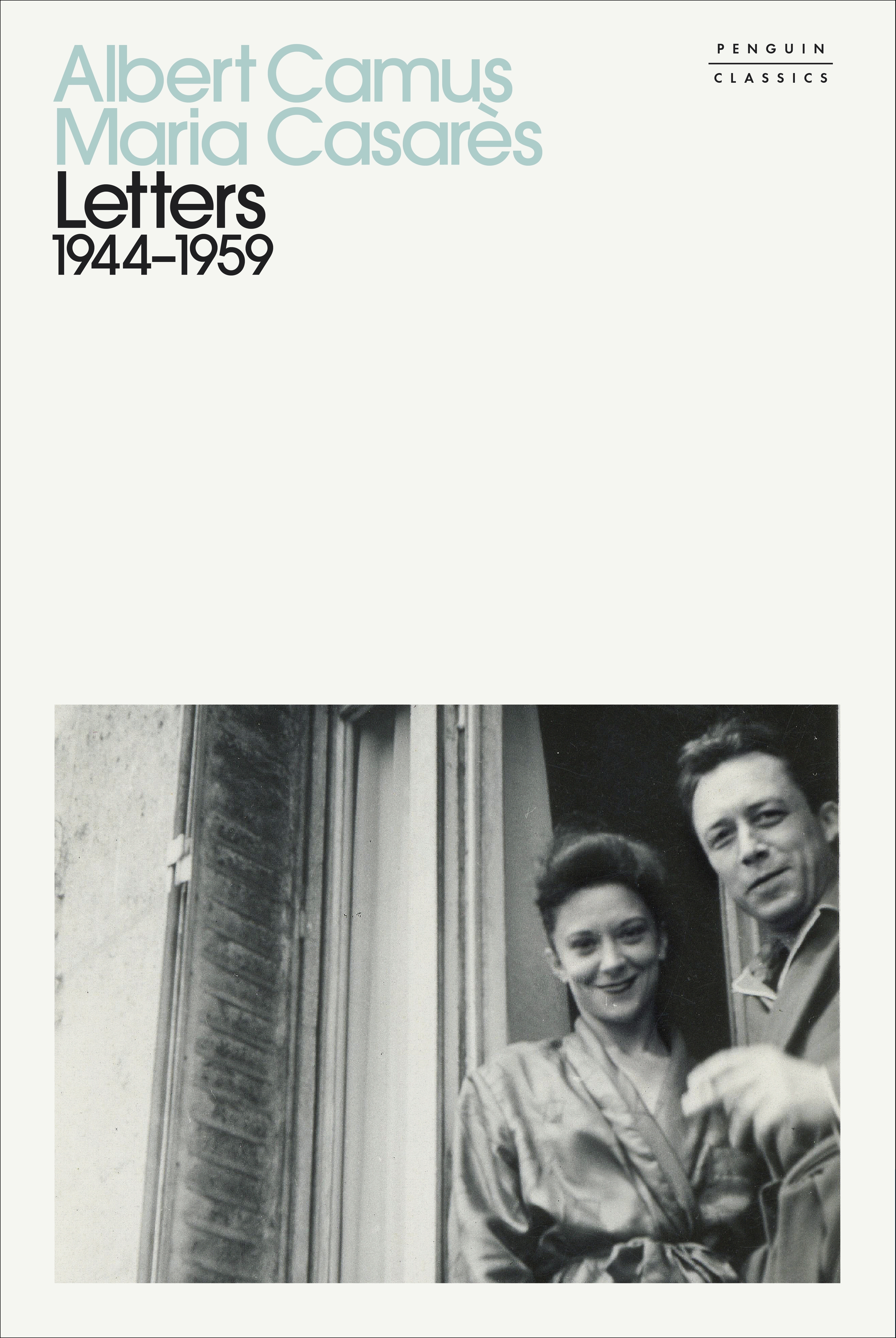
Letters
1944-1959


- Published: 2 July 2026
- ISBN: 9780241400456
- Imprint: Penguin eBooks
- Format: EBook
- Pages: 1200



[B]oth a major literary document on one of the greatest authors of our times as well as – thanks to the personality of his correspondent, an extraordinary actress – on the entire artistic life of their era, [and a] testimony to a mad love. Totally romantic, jubilant and agonized, but ending in tragedy
Livres Hebdo
Incandescent … Until now, this collection has remained a fantasy object for Albert Camus specialists. Since, at home, the letter writer rivalled, in his clarity, the novelist
Le Monde des Livres
Fabulous ... This correspondence, fired up by radiant love, transports us to the end
Libération
Some of the greatest love letters since those of Abelard and Heloise … As we read, we realize that whatever we are learning from these long-dead lovers pales against what we can learn about ourselves. Read this book as a guide to loving and a guide to writing. Read it for sustenance after, as Casarès puts it, "one of those days when the heart weeps, despite all the hopes and joys that might be promised to it". A dazzling correspondence from long ago, revived in ardent English.
Kirkus