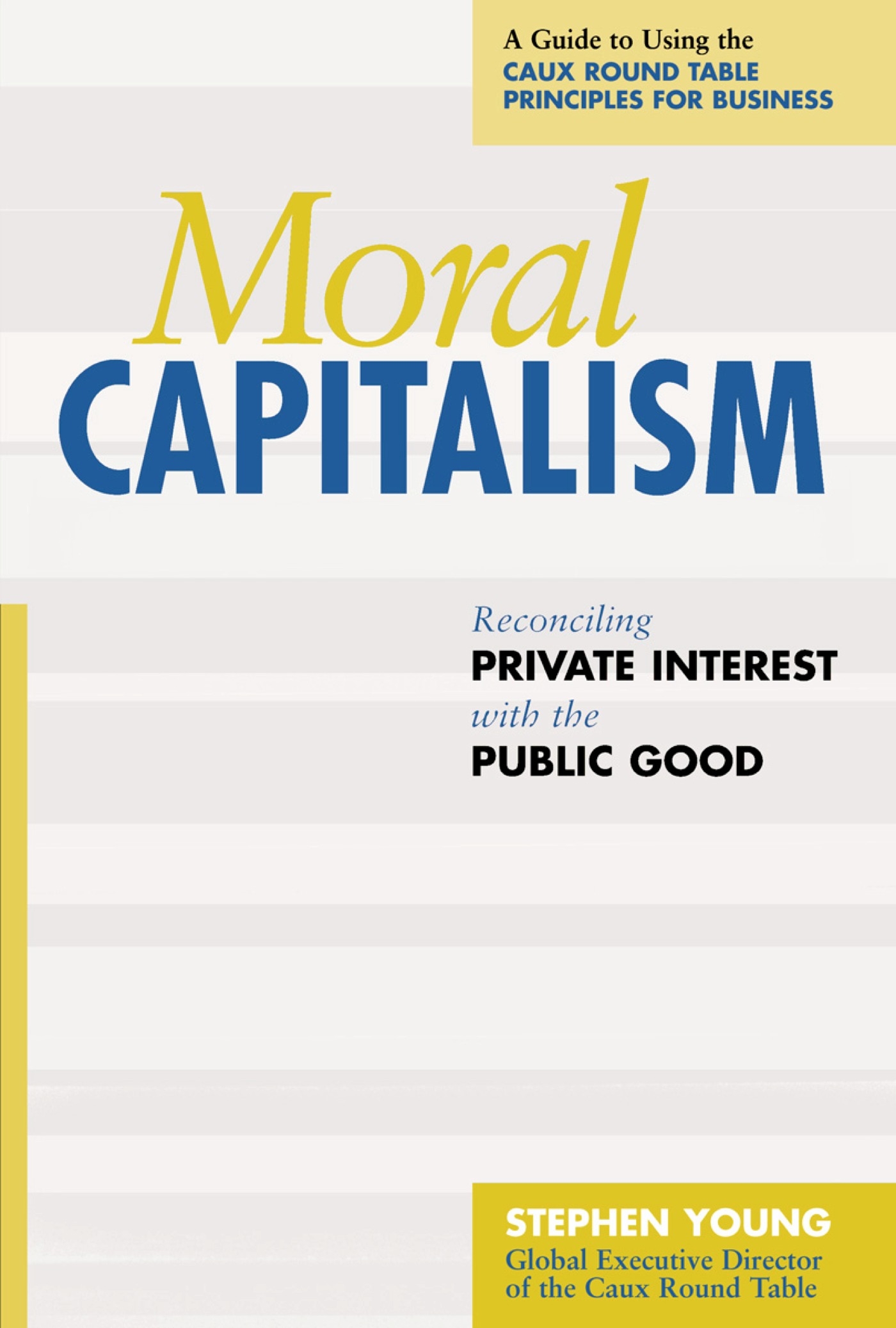
“Young persuasively demonstrates the necessity for businesses to elect higher values over unbridled greed . . . a most important book.” —Foreword Reviews
A blueprint for global social justice is needed and this book provides one by showing that the ethical standards inherent in capitalism have been 1) compromised by cultural values inimical to capitalism’s essentially egalitarian, rational spirit and 2) distorted by the short-sighted, dog-eat-dog doctrines of social Darwinism into what he calls “brute capitalism.” The text presents how the Caux Round Table for Moral Capitalism’s Principles for Responsible Business can serve as a blueprint for a new, more “moral capitalism” and shows how, if guided by these principles, capitalism is really the only system with the potential to reduce global poverty and tyranny and address the needs and aspirations of individuals, societies and nations.
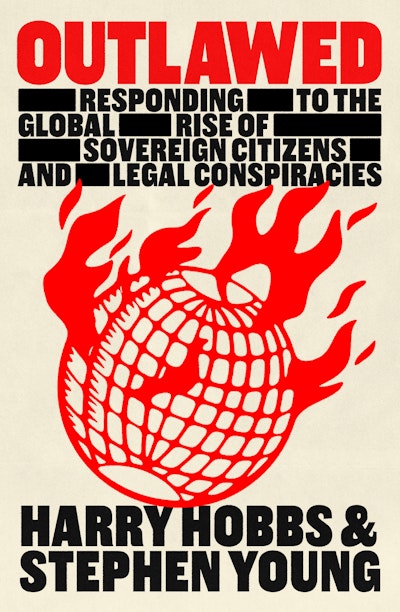
Dr Stephen Young is an Associate Professor at the University of Otago’s Faculty of Law (Te Kaupeka Tātai Ture, Otākou Whakaihu Waka), who brings together rigorous research and relatable public engagement. His 2020 book Indigenous Peoples, Consent and Rights: Troubling Subjects earned him the Law Society of Australia and New Zealand’s Early Career Research Award. In 2023, he was further honoured with the University of Otago Early Career Award for Distinction in Research. He has published another book, an edited volume, special issues of journals, numerous book chapters, journal articles, blog posts and other commentaries. Beyond the academy, he is adept at speaking across diverse audiences, from academic book launches to the general public. His media presence includes engagements through newsprint, radio, and television (specifically for commentary on pseudolaw and sovereign-citizen phenomena in Aotearoa), highlighting his ability to translate complex legal ideas into accessible, impactful narratives across multiple platforms. He specialises in Indigenous peoples and the law, human rights, and the troubling rise of sovereign citizen pseudolaw.