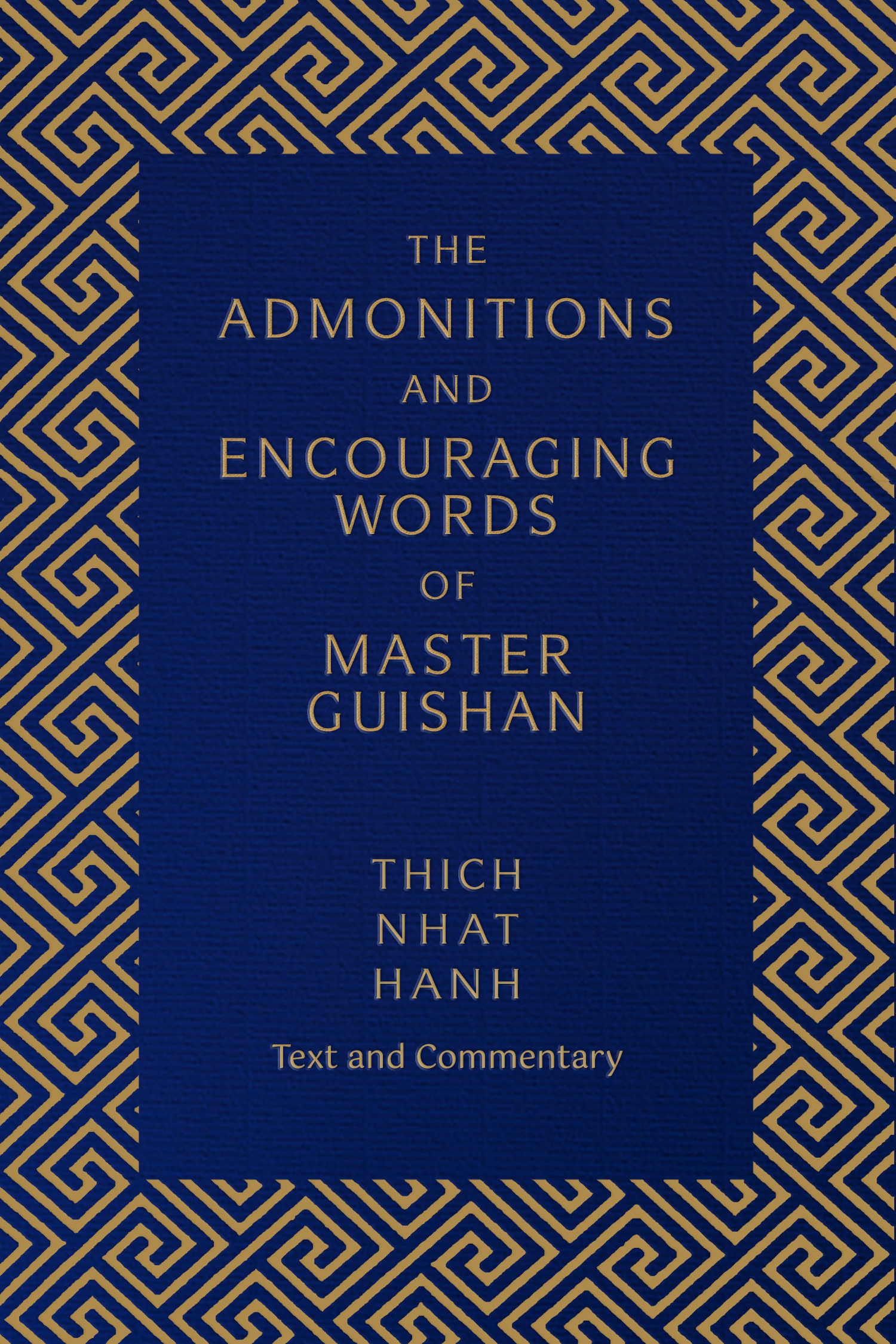
Thich Nhat Hanh's translation and commentary for a Buddhist text that has been long considered one of the three key books for monastic meditation practitioners
For monks, nuns, or laypeople, this text from the days of early Buddhism in China calls on us to wake up and live an authentic life dedicated to spiritual ideals. The Admonitions and Encouraging Words of Master Guishan is offered to new monks and nuns at the time of their ordination together with books on monastic codes of conduct, and it remains a companion and guide throughout their career.
The importance of Master Guishan's Classical Chinese text cannot be underestimated. Although it is addressed to monks, it is suitable for anyone who seeks to awaken and live with clarity and intention. Thich Nhat Hanh gives a timely commentary based on his lived experience of guiding several generations of monastic and lay students on their path of practice. The text and commentary have been translated from Vietnamese into English by Bhikshuni True Virtue (Sister Annabel Laity), Thich Nhat Hanh's first Western monastic disciple.
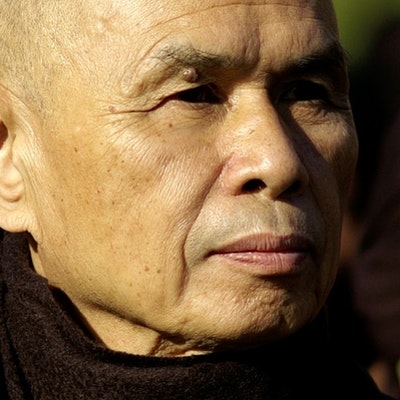
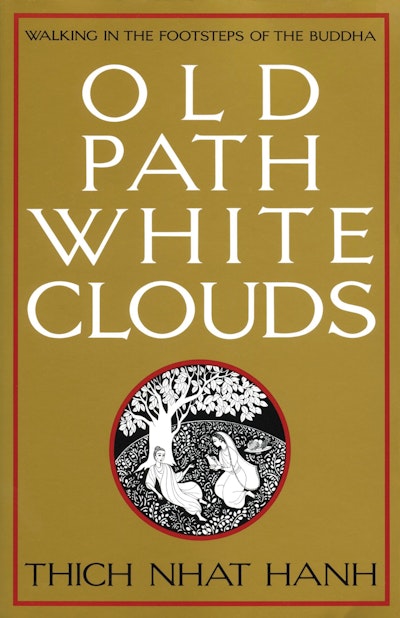
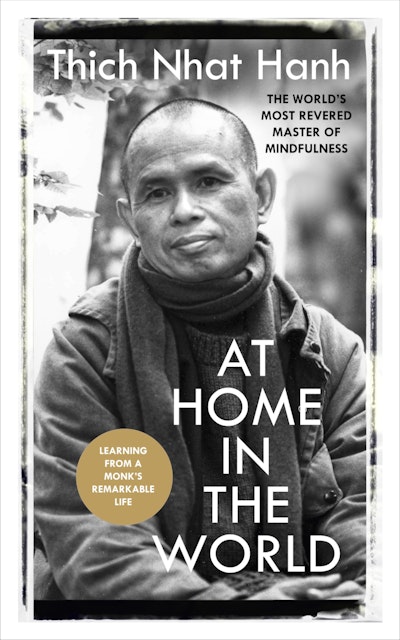
Born in Hue, Vietnam, Thich Nhat Hanh is a Buddhist Zen Master, poet, scholar and human rights activist. In 1967, he was nominated for the Nobel Peace Prize by Martin Luther King. He founded the Van Hanh Buddhist University in Saigon, the School of Youth and Social Service and the Plum Village Buddhist community and meditation centre in France, where he lived for many years. He is the author of many acclaimed books including Peace is Every Step, Old Path White Clouds and Fear, which have sold millions of copies around the world. He lives at the Tu Hieu Temple in Vietnam where he was first ordained when he was sixteen years old.