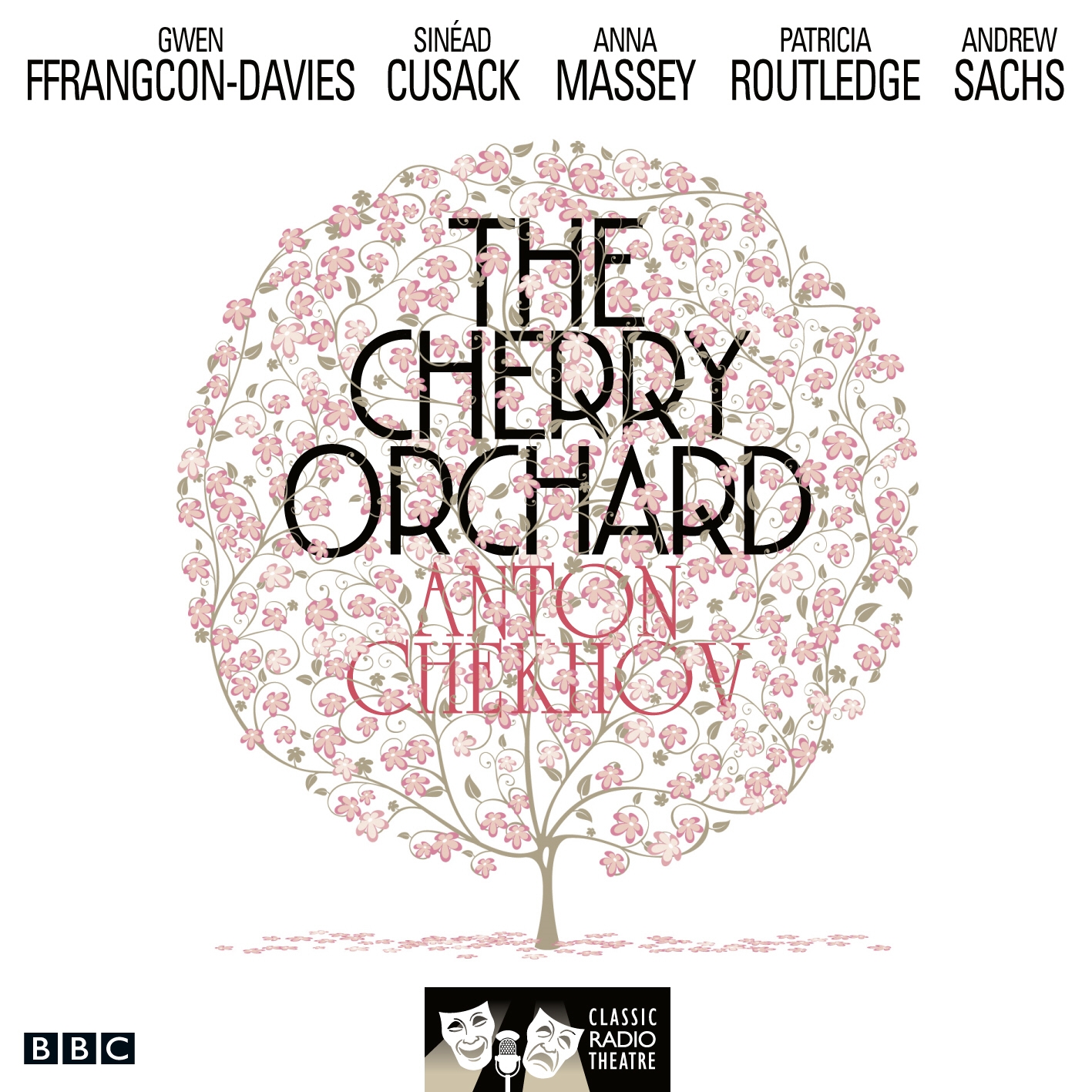
Sinead Cusack, Anna Massey, Patricia Routledge, Andrew Sachs and Gwen Ffrangcon-Davies star in this 1974 BBC Radio full-cast production of Chekhov’s classic play.
Madame Ranyevskaya and her daughter Anya have returned home from Paris to discover that their family estate – which includes their beloved cherry orchard – has to be sold to cover the family’s debts. They believe a miracle can save their orchard. But will their stubborn pride and fond, childhood memories be enough? Chekhov’s tragic-comedy is about the passing of an era and is a timeless study of a Russian aristocratic family desperately clinging to the past. Among the star cast in this 1974 production are Gwen Ffrangcon-Davies, Sinéad Cusack, Anna Massey, Patricia Routledge and Andrew Sachs.
Published: 1 March 2011
ISBN: 9781408497104
Imprint: BBC DL
Format: Audio Download
Length: 1 hr 48 min
Narrators: Gwen Ffrangcon-Davies, Andrew Sachs, Patricia Routledge, Sinead Cusack, Anna Massey
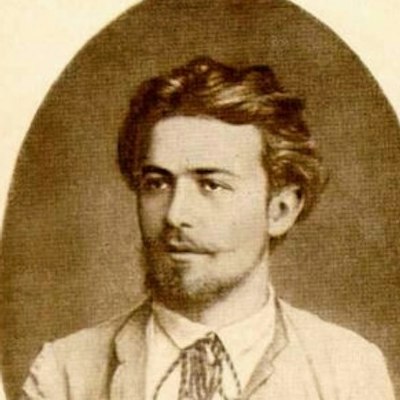
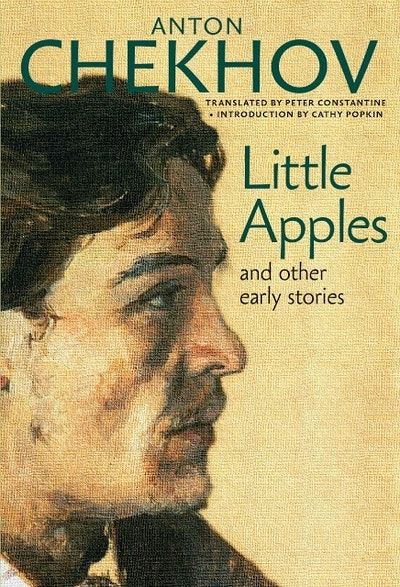
ANTON CHEKHOV (1860–1904) is regarded as one of the world’s masters of the short story. The son of a hapless shopkeeper and grandson of a former serf, Chekhov began at the age of twenty to support his family through the publication of magazine pieces. The writing of these short works—many of which were collected in English for the first time in Seven Stories’ Undiscovered Chekhov and Little Apples—served as the author’s apprenticeship in literature, which was undertaken simultaneously with his studies to become a doctor. Both of these educations would leave their mark on the rising author. By the 1890s Chekhov had moved on to weightier journals, and he had drifted away from the practice of medicine; but his work would always be characterized by the copywriter’s vividness and the sober exactitude of a scientist. In an age of literary aristocrats, Chekhov did as much as any modern writer to democratize the profession. He used his talent to examine the lives of street urchins, déclassé provincials and frustrated reformers. By the time of his death from tuberculosis in 1904, all Russia and much of the world had taken heed of his credo: “For chemists there is nothing unclean on the earth. The writer must be as objective as the chemist.”