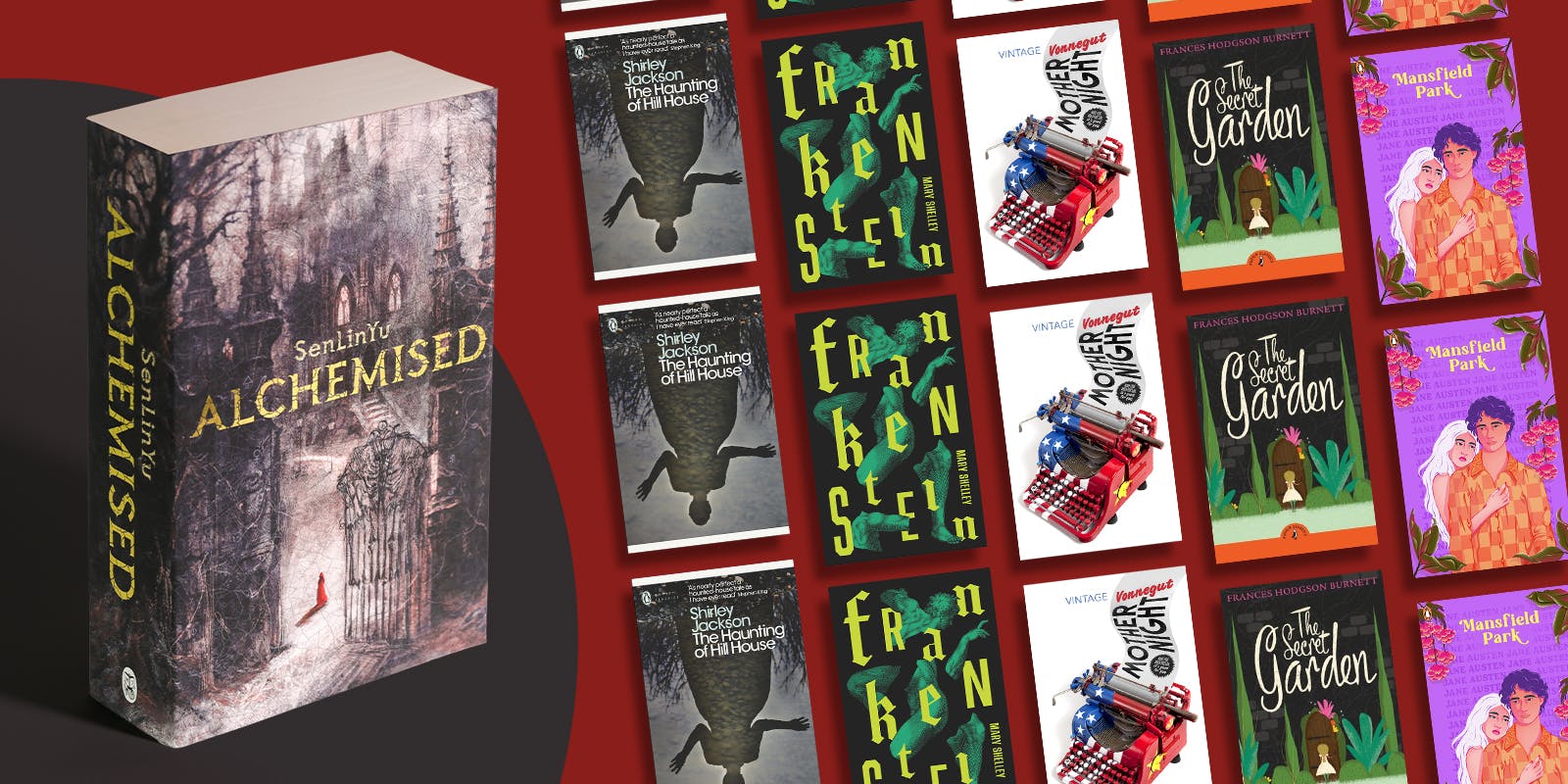
SenLinYu shares the books that influenced the writing of Alchemised. From gothic horror to Jane Austen, learn about the classics that inspired the author.
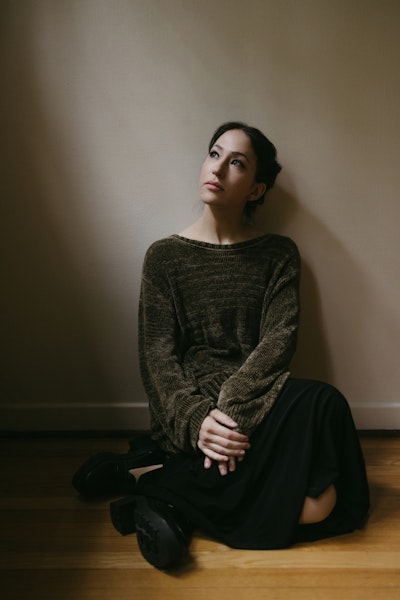
Have you ever wondered what goes into the making of a bestseller?
In a recent Substack post, SenLinYu, the author of the biggest dark fantasy debut this year, pulled back the curtain, sharing some of the books that shaped Alchemised.
Read a snippet from their post, and learn about a few of the classics that informed the book.
On seeking inspiration from books
When I decided to undertake Alchemised, I knew I needed to build a world from the foundations upward. Something that made sense to me. As much as I love sci-fi and fantasy, my own suspension of belief can be a fragile thing. I knew the shape of the universe and magic system I wanted, but I needed it to be something my characters could interrogate and interact with.
So . . . knowing my intended creative direction, I proceeded to inhale every book I thought might conceivably contain relevant information until there was enough primordial ooze in my brain to birth a universe . . . or rather a continent and a few odd city-states.
To be clear, I did not read all these books immediately before writing Alchemised. Some of these I read years ago, before Alchemised was even a ghost within my mind. Others I read while writing, or in-between revisions when I was fine-tuning my concepts.
5 of the classics that shaped Alchemised
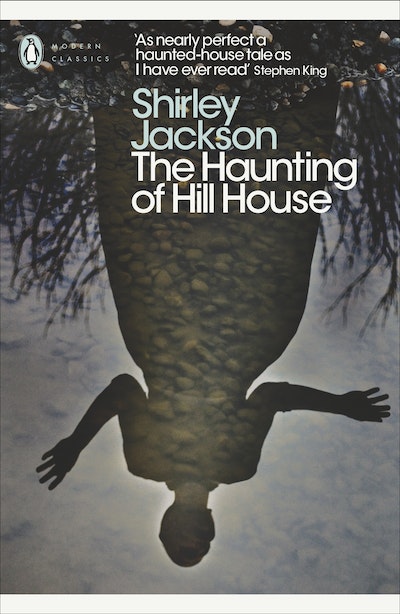
The Haunting of Hill House Shirley Jackson
This was the first literary work I picked up in preparation for writing Alchemised. I was specifically interested in reading Jackson’s depiction of the house. I had a very strong desire to depict the house in Alchemised as a character, to give it that sense of presence, and Jackson was the author I instantly thought of.
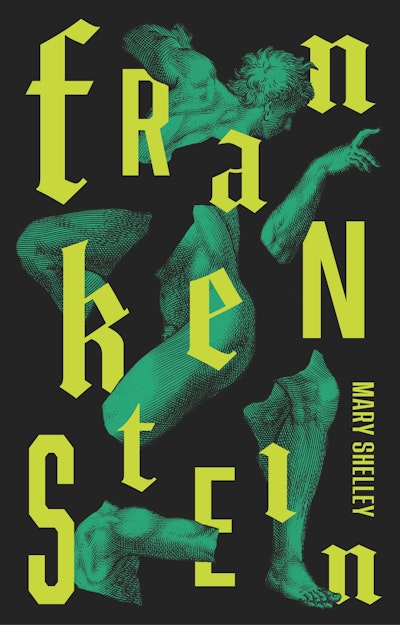
Frankenstein Mary Shelley
I was rather surprised by how much I thought about Frankenstein while writing Alchemised. In the conceptualising, I had expected the influence of Wuthering Heights or Jane Eyre to hang upon me, but instead Frankenstein was where I found my mind constantly turning. Perhaps it’s the presence of alchemy in the book that initially sent my mind there, thoughts of created monsters and their destructive desolation and solitude. Whatever prompted it initially, however, my thoughts were most of all about the Frankenstein in the context of Mary Shelley’s biography as a recently bereaved mother, and the daughter of feminist philosopher Mary Wollstonecroft who died from complications related to Mary Shelley’s own birth. The story is intensively focused on themes of creation and creator, horror and rejection, and hubris and regret, yet there is such an absence of female characters, and it was something I couldn’t stop thinking about when contemplating Helena in Alchemised.
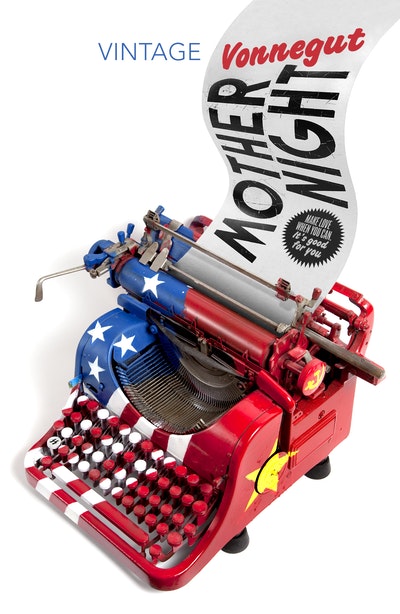
Mother Night Kurt Vonnegut
I’ve always found the idea of spies fascinating, but more often than not I feel that the ways they’re handled in the cultural zeitgeist to be rather unsatisfactory. Espionage as seduction and a thrilling and buzzy action/adventure caper is a fun ride, but it always avoids the most interesting questions about how far it’s acceptable for someone undercover to go, what kind of person is capable of it, and if they succeed and survive, what’s left of them, and how is it determined whether the cost of their actions was acceptable in light of what they accomplished or too steep. I found Vonnegut’s contemplation of a WWII spy living post-war to be incredibly refreshing in how it directly considered those questions.
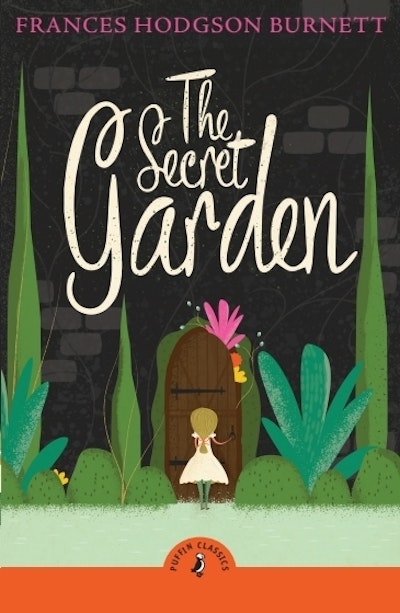
The Secret Garden Frances Hodgson Burnett
I think this is probably the first gothic novel I ever read. This book is in many ways a loose blueprint of what I think of when I think about gothic atmosphere; the sprawling house with hidden secrets, nature initially as cold and dormant as the heroine, grief as a physical haunting that terrorises and transforms those it touches. This was where it all began for me.
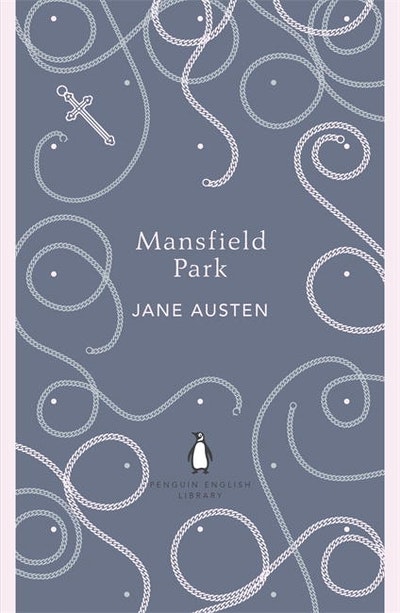
Mansfield Park Jane Austen
Like Frankenstein, this wasn’t a book I intentionally drew inspiration from, but as I was developing Helena Marino and outlining her psyche, Fanny Price was a character I found myself repeatedly thinking about. Fanny’s displacement trauma and experience of growing up in a ‘privileged position’ while being kept constantly aware of how grateful she was expected to be and that her ability to retain her place was at the discretion and benevolence of others had a significant influence on how I thought about Helena.
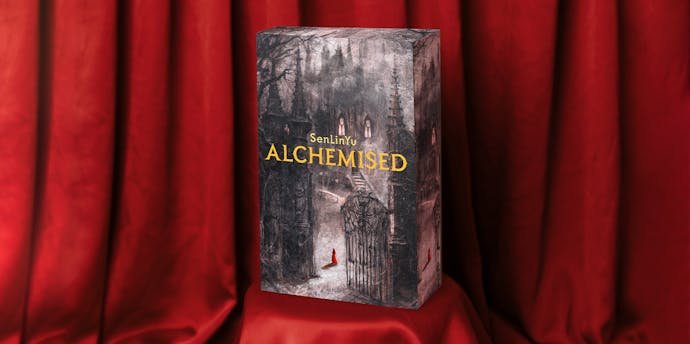
Learn how to pre-order Alchemised by SenLin Yu and join the thousands of readers who will start reading it on 23 September 2025.
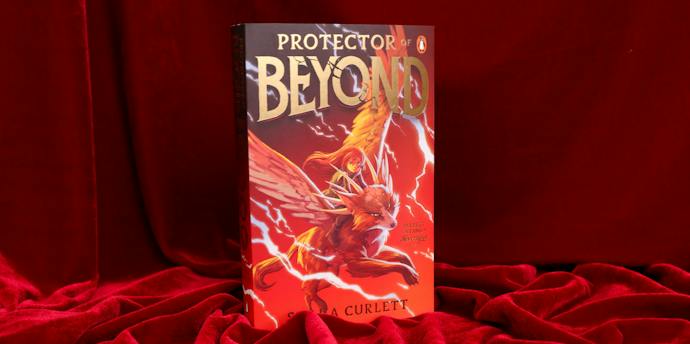
In their own words, read real reviews of Protector of Beyond by Shara Curlett!
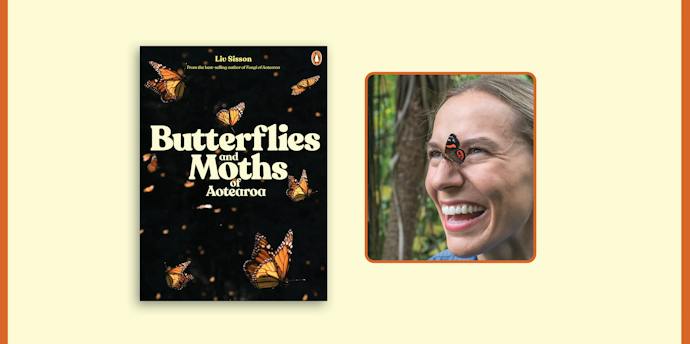
Join author Liv Sisson for a celebration of her beautiful new book, Butterflies & Moths of Aotearoa.
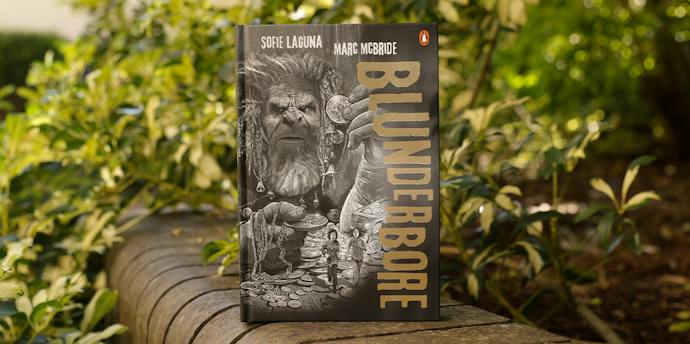
This is Jack and the Beanstalk like you’ve never seen it before! An exciting action-packed graphic adventure story set in the world of Jack in the Beanstalk. From award-winning author Sofie Laguna and monster-illustrator extraordinaire, Marc McBride.
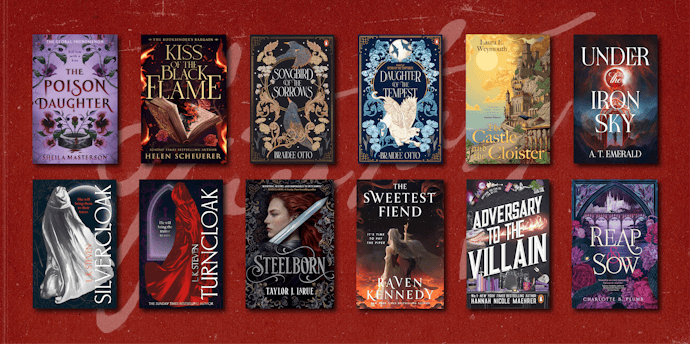
Looking for your next fantasy read? Explore some of our favourite new and upcoming releases...
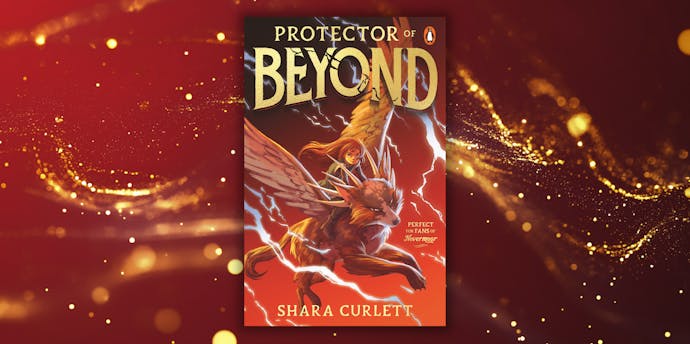
Magical creatures, perilous trials and one unbelievable adventure await in Protector of Beyond, the first book in a gripping new fantasy book series from exciting new voice Shara Curlett.
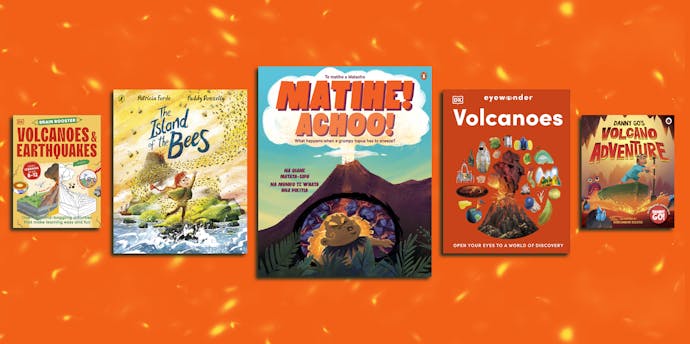
What makes a volcano erupt? How are they formed? And what stories have people told about them?
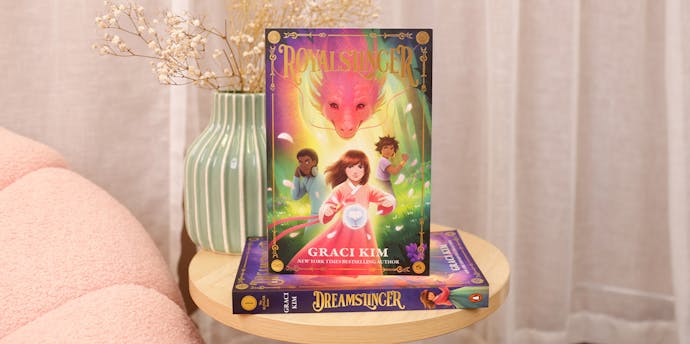
We wanted to know what young Kiwi readers thought about Royalslinger, the fantastical second book in Graci Kim's Slinger series (hint: they loved it!). Read on to see their reviews!
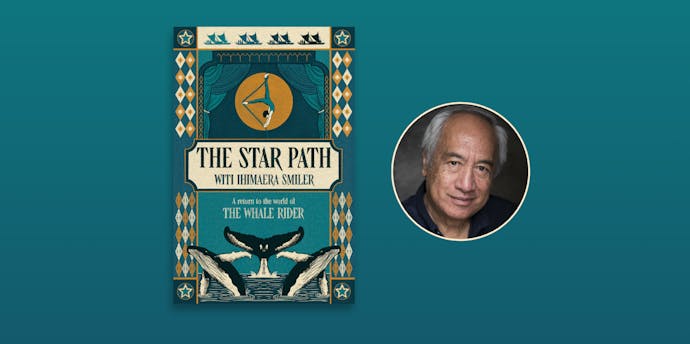
What does The Whale Rider mean to you?
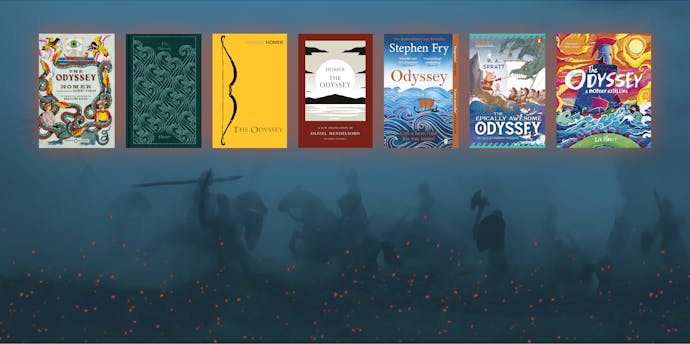
There’s a version of The Odyssey for every reader - read on to find the one for you to read before (or after!) you see the movie in theatres.
Learn more and apply for the Penguin Children’s Bookseller Grant – a $50,000 initiative designed to engage young readers.