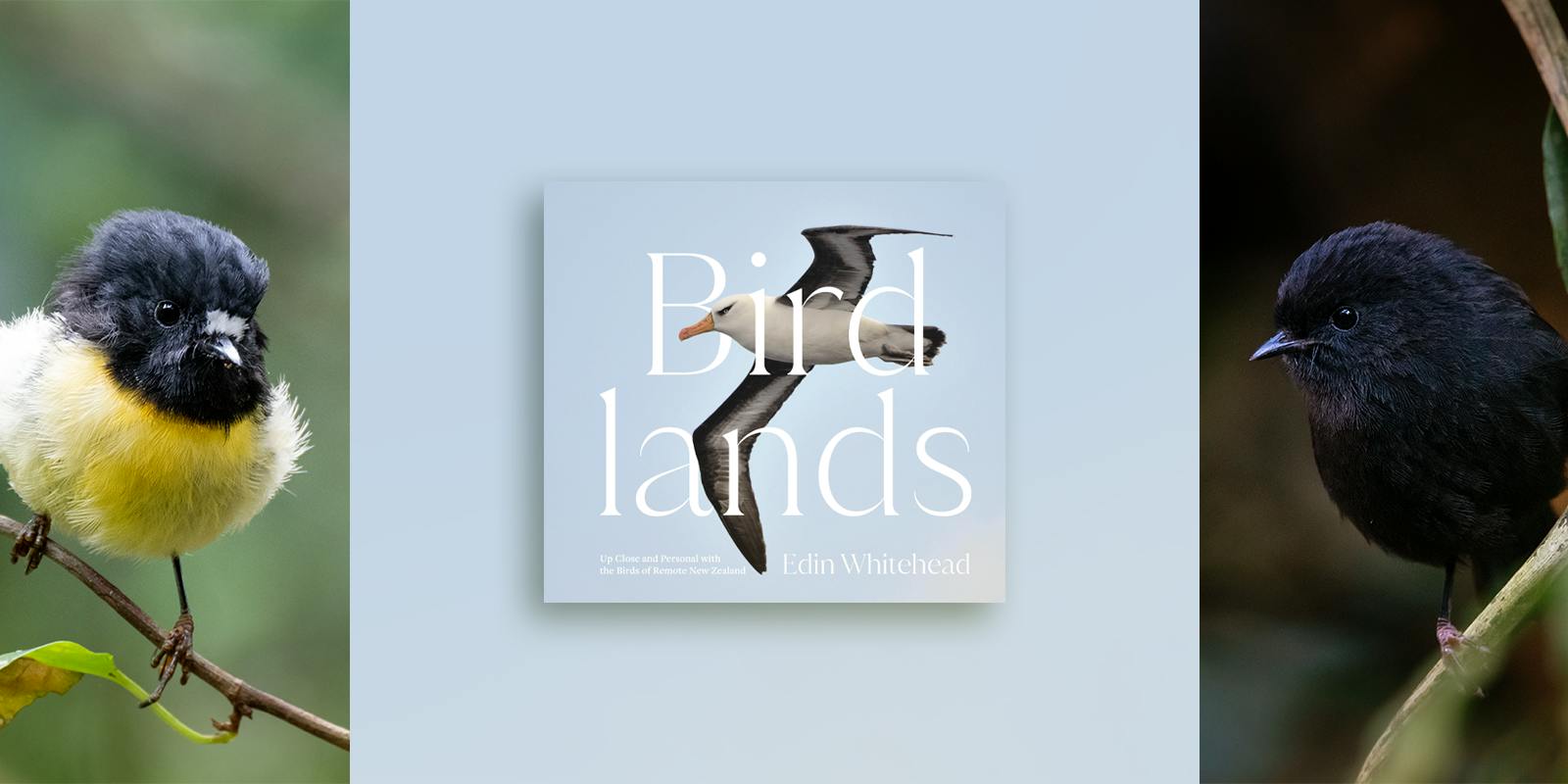
When Edin Whitehead met robin
The forest is humming. There is a squeaky wheel call that I know immediately as a tomtit, and the bright song of a warbler. Up to the hut, through soft rich soil, the fertile reddish brown of seabird dirt. I’ve been smelling it from the shoreline, the musty warm smell: not fishy, not unpleasant, just the aroma of several million seabirds living and breeding and digging into the land. Big burrows, home to sooty shearwaters. Tiny burrows, home to storm petrels. And, by the hut itself, in the kawakawa tangle, are two of the birds that have been legend to me since I could read — black robins. One adult, and one fledgling distinguishable by a slight yellow gape at the base of the bill and a lack of colourful leg jewellery. The fledgling is chiming and fluttering as the adult feeds it. The weight of the two buckets I’m carting is gone, unimportant, and I simply stare.
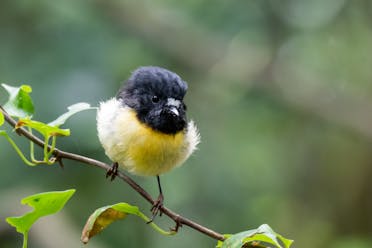
Every single black robin alive today is descended from a single female, Old Blue. Their story — of the last stronghold on Little Mangere, the translocation by cliff-scaling wildlife conservationists, the efforts at cross-fostering with tomtits, to a population today spread across Rangatira and Mangere that sits around 270 birds — is one of our national treasures. It’s a story of dedication. To see, here, now, an adult feeding a chick, the next phase in the cycle, the next generation, is overwhelming. Something that could so easily have been lost entirely.
Over the next few days, I learn that black robins are curious, although largely indifferent to us. We spend our days with our arms to the shoulder in the ground, navigating tiny burrow passages to extricate storm petrel chicks so we can weigh and measure them and assess their suitability for translocation. The black robins hop around, heads cocked at our odd behaviour, one even fossicking in the leaf litter not an arm’s length away from my face. We consider each other briefly. I have my hand tucked under the fluffy warm body of a storm petrel, slowly drawing it out to the surface. The robin picks up a shiny black beetle, then hops over to a small log to thrash the thing to death. I ease my bundle out of the burrow and blow off the crumbly brown soil, ruffling soft grey down feathers. The storm petrel chick peeps quietly and shuffles from side to side. The robin swallows the beetle and hops off for another meal. My camera stays lying on my pack, forlorn and unused.
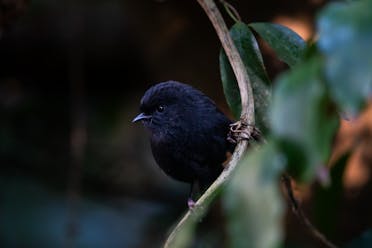
Walking back from our burrow-site to the hut is my chance to photograph. I occasionally forgo morning tea to spend time with the birds, slowly tracking through the forest, listening for rustling. On the ground are robins, and Chatham Island snipe. For a bird so elusive elsewhere, it’s almost impossible not to see snipe here. There are big fledglings scooting around, still slightly fluffy at the edges. Parents with smaller chicks dart along, probing furiously and then presenting morsels over their shoulders to their young, who trail behind. Every rustle in the leaf litter makes me twitch to look, and eventually I find a spot to lie flat on the ground and watch them go by.
Our two species of mainland New Zealand snipe (North Island and South Island) are long extinct, nailed by predators. Chatham Island snipe are at home only on the outer islands, not the inhabited main Chatham Island or Pitt. This archipelago lost four species of rails after human occupation began to cause wholesale change to the ecosystems. There were other birds that didn’t fare so well, either. Habitat modification shattered seabird populations and, along with shorebirds, they were shunted to the less hospitable islands. Forest birds were lost with the forests as Rēkohu became what it is today — grazing land. Rangatira was a working farm, with sheep pastures and sheep dips in the tide pools. There are scattered skulls in the bush from this time, but now it is the domain of seabirds once more.
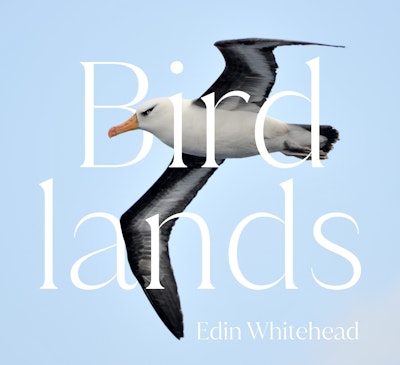
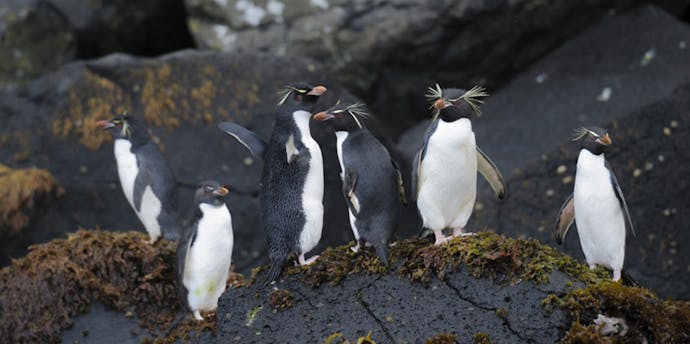
Wondrous and wild, The Brilliance of Birds gives a behind-the-scenes glimpse into the lives of some of New Zealand’s feathered friends. We the extraordinary minds behind this beautiful book Skye Wishart and Edin Whitehead all about this New Zealand Birdventure!
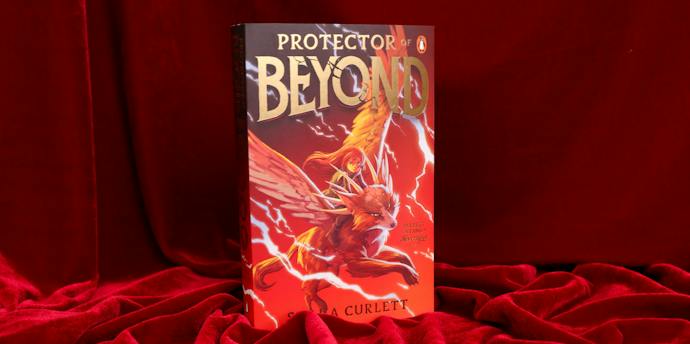
In their own words, read real reviews of Protector of Beyond by Shara Curlett!
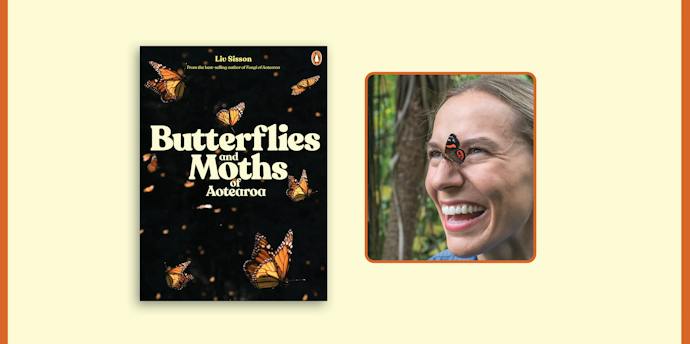
Join author Liv Sisson for a celebration of her beautiful new book, Butterflies & Moths of Aotearoa.
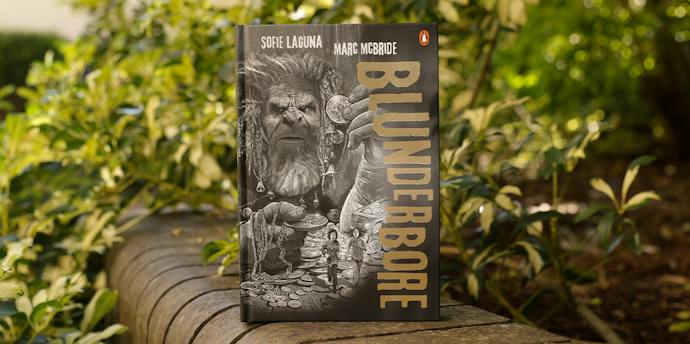
This is Jack and the Beanstalk like you’ve never seen it before! An exciting action-packed graphic adventure story set in the world of Jack in the Beanstalk. From award-winning author Sofie Laguna and monster-illustrator extraordinaire, Marc McBride.
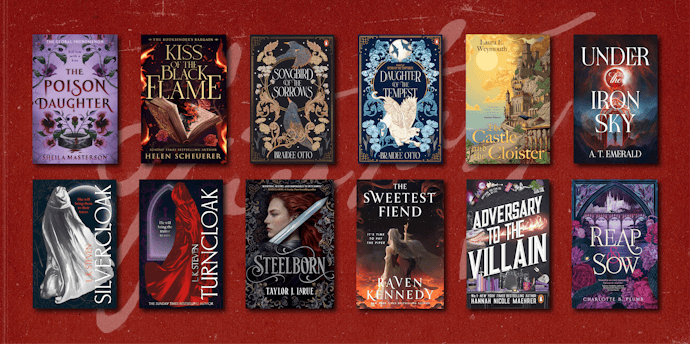
Looking for your next fantasy read? Explore some of our favourite new and upcoming releases...
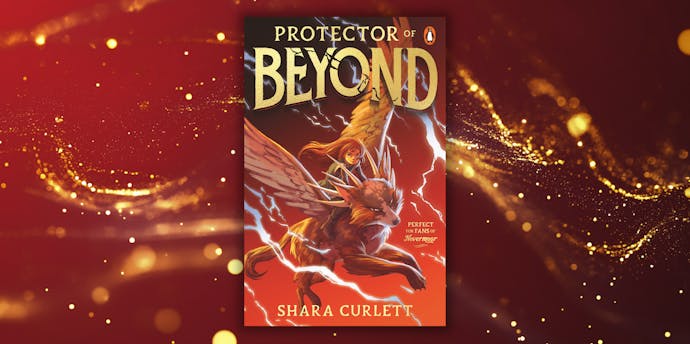
Magical creatures, perilous trials and one unbelievable adventure await in Protector of Beyond, the first book in a gripping new fantasy book series from exciting new voice Shara Curlett.

What makes a volcano erupt? How are they formed? And what stories have people told about them?
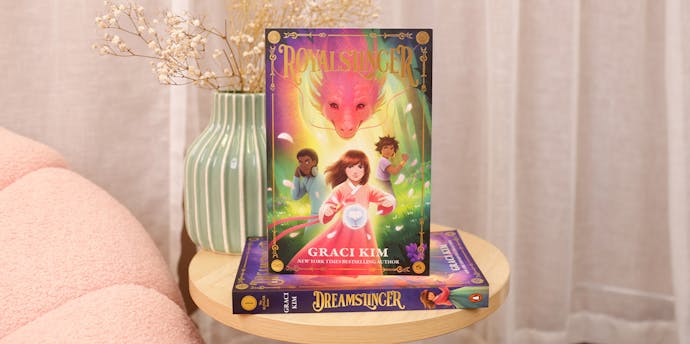
We wanted to know what young Kiwi readers thought about Royalslinger, the fantastical second book in Graci Kim's Slinger series (hint: they loved it!). Read on to see their reviews!
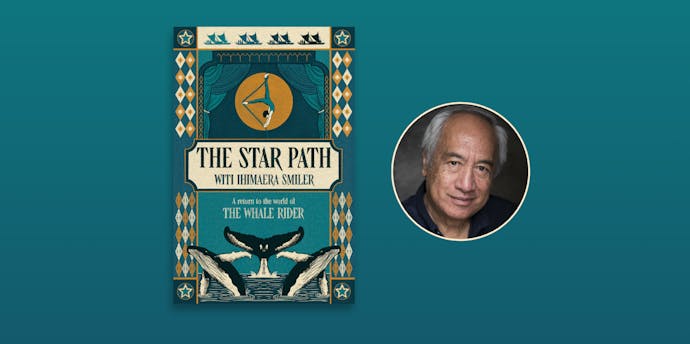
What does The Whale Rider mean to you?
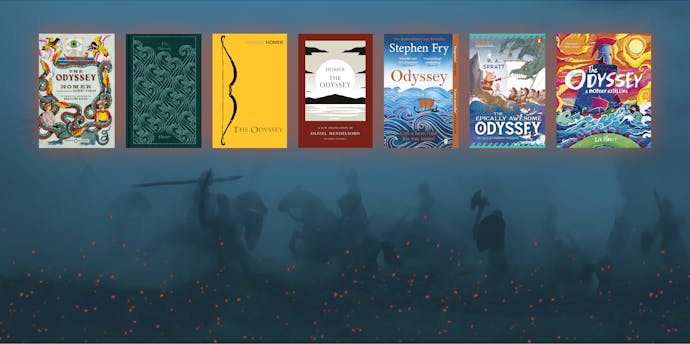
There’s a version of The Odyssey for every reader - read on to find the one for you to read before (or after!) you see the movie in theatres.

Learn more and apply for the Penguin Children’s Bookseller Grant – a $50,000 initiative designed to engage young readers.

Learn how to make seven Book Week costumes inspired by the Bluey books. Each costume is easy to make and will look great during Book Week!