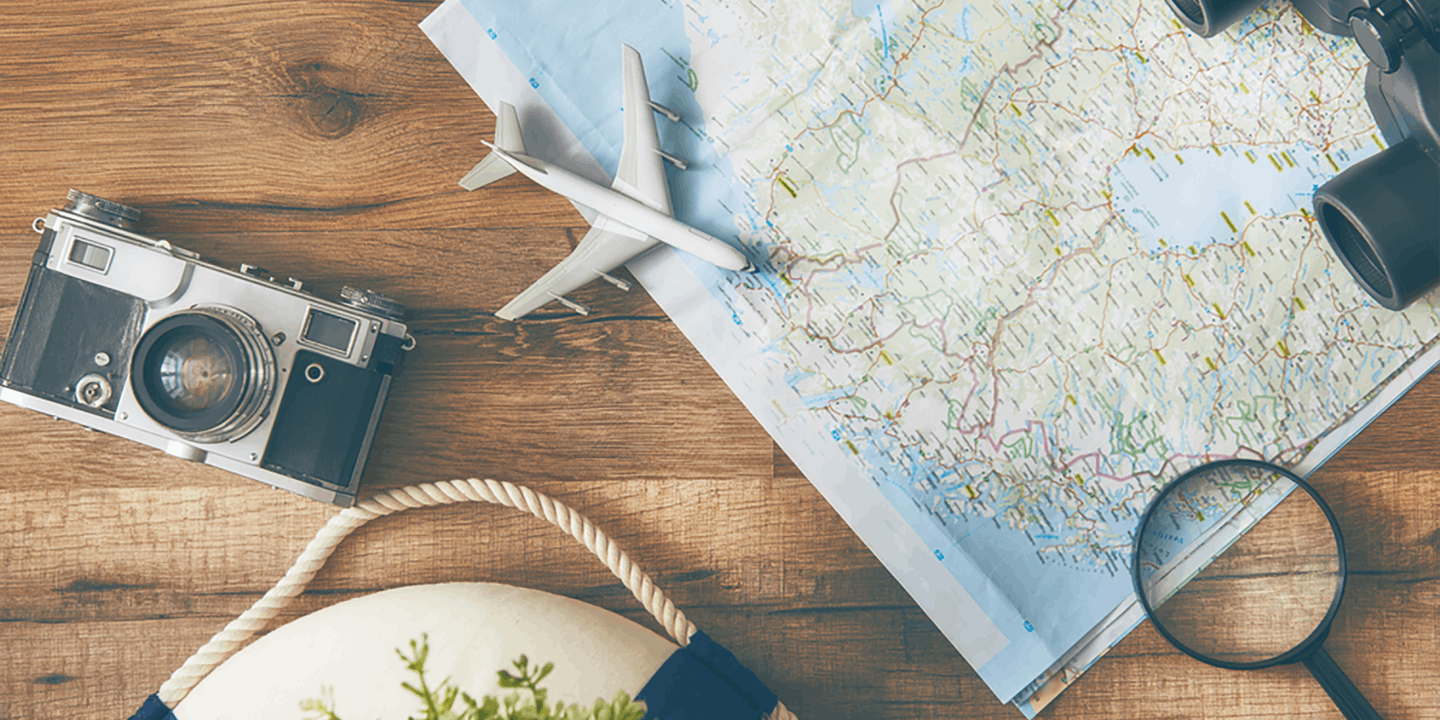
The essential list for travelling in time, just like Tilly!
Tilly and the Time Machine by Adrian Edmondson blasts into bookshops in May. If you’re planning a spot of time travel, then Adrian's extremely useful list below is essential reading!
1. Always take a spare pair of pants and a toilet roll. You can never be sure about how the lavatories will be in ancient times. I know that in roman times the toilets were all in the same room, with no cubicle walls dividing them! It might be wise to take a small tent and a shovel.
2. Leave a note to say where you’ve gone and how long you expect to be. Obviously your mum probably won’t be able to work a time machine as well as you, but the thing parents hate most is ‘not knowing’. As long as they know you’ve gone on a Viking raid of York, or a trip round Cape Horn with Captain Cook, or sledge ride with Captain Scott of the Antarctic. . . they’ll feel a lot happier.
3. Weigh up the pros and cons of the age you want to visit. We all like the dinosaurs in the natural history museum, and the great plastic models we have at home, but bear in mind that most dinosaurs have never seen human children before and will very likely eat you up in one go.
4. Take a couple of dollars with you. Because of inflation, money becomes less valuable as time goes on – a dollar now will probably be worth only 50 cents in about ten years time. But if you’re travelling backwards your money becomes more valuable. A dollar in Victorian times would be worth about $1,000 in today’s money, and if you went back to Tudor times it could be worth as much as $50,000. You could buy all the sweets you want. . .
5. Bear in mind that sweets in olden times might not be as nice as the ones we have now. Christopher Columbus discovered south America in 1502, and brought chocolate back with him. Before then there was no chocolate in Europe. Of course, if you went back and visited the Aztecs you’d get some. But they didn’t mix it with sugar. In fact the word ‘chocolate’ comes from the ancient south American word ‘xocolatl’, which means ‘bitter drink’. Perhaps it would be best to put a couple of Mars Bars in your pocket before you set off!
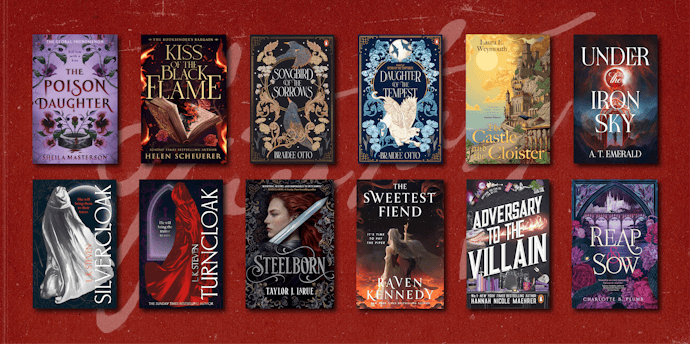
Looking for your next fantasy read? Explore some of our favourite new and upcoming releases...
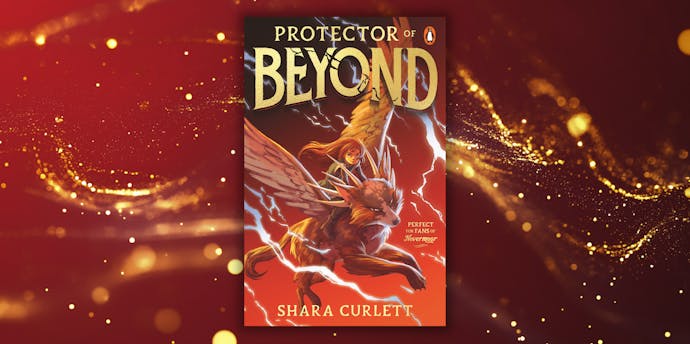
Magical creatures, perilous trials and one unbelievable adventure await in Protector of Beyond, the first book in a gripping new fantasy book series from exciting new voice Shara Curlett.
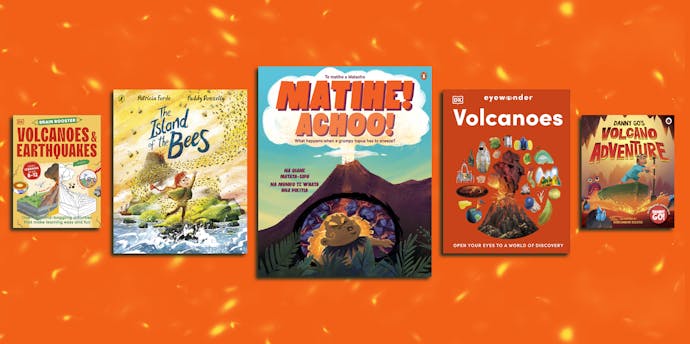
What makes a volcano erupt? How are they formed? And what stories have people told about them?
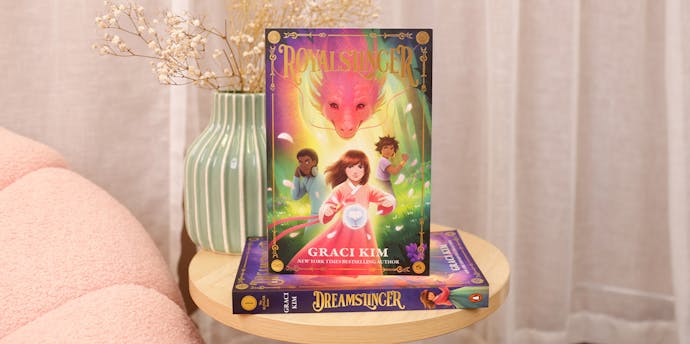
We wanted to know what young Kiwi readers thought about Royalslinger, the fantastical second book in Graci Kim's Slinger series (hint: they loved it!). Read on to see their reviews!
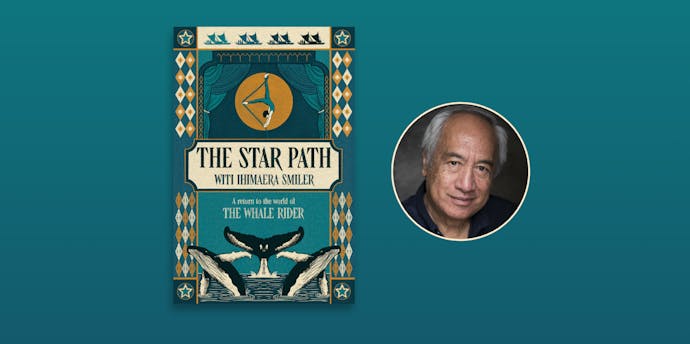
What does The Whale Rider mean to you?
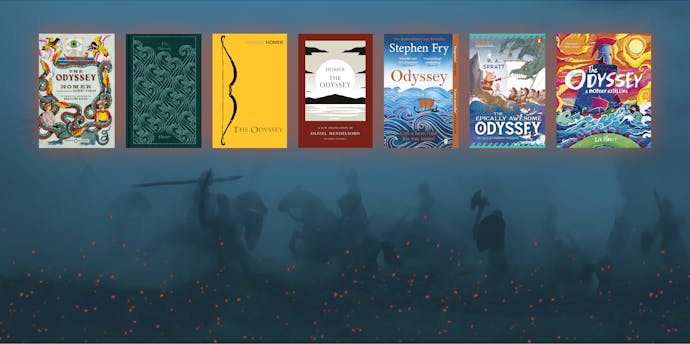
There’s a version of The Odyssey for every reader - read on to find the one for you to read before (or after!) you see the movie in theatres.

Learn more and apply for the Penguin Children’s Bookseller Grant – a $50,000 initiative designed to engage young readers.
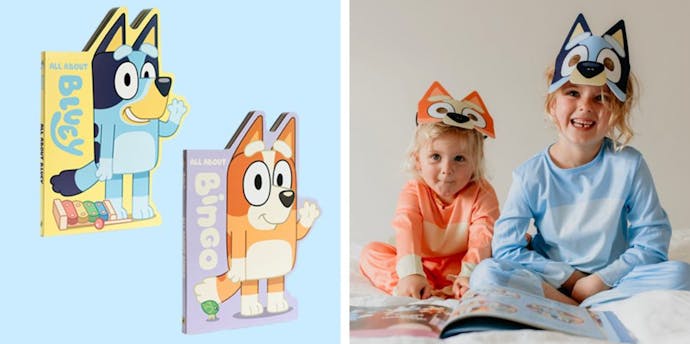
Learn how to make seven Book Week costumes inspired by the Bluey books. Each costume is easy to make and will look great during Book Week!
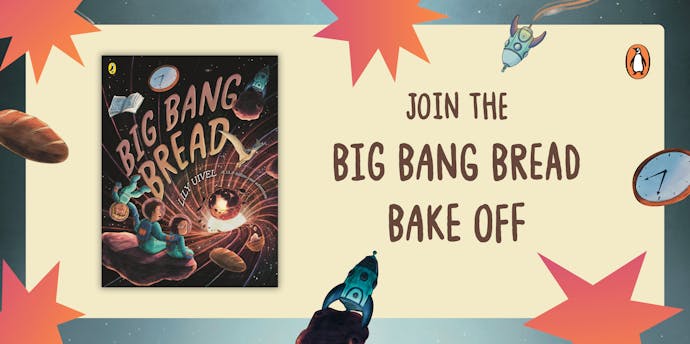
Can you bake a beautiful loaf of bread? We’re on a search to find the best young bread baker!
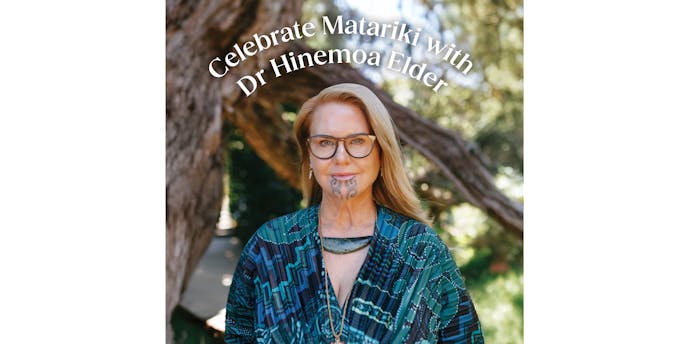
Celebrate Matariki with Dr Hinemoa Elder at events across the South Island, in conversation about her books and the wisdom that inspires them.
Tell us what you love reading so we can personalise the books, recommendations and emails you receive from Penguin.
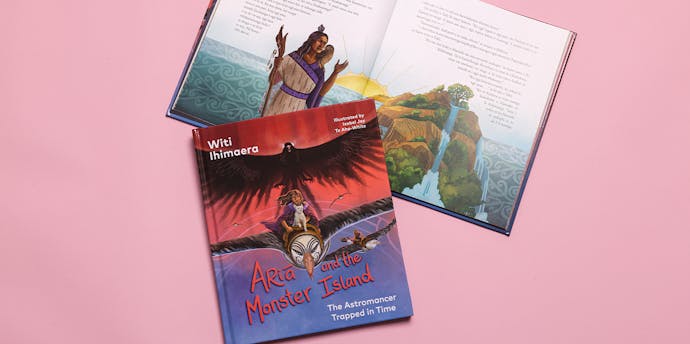
Read the first three chapters of Ariā and the Monster Island!