> Skip to content
[]
  • Published: 14 September 2021
  • ISBN: 9780593242667
  • Imprint: Random House US Group
  • Format: Paperback
  • Pages: 304
  • RRP: $49.99

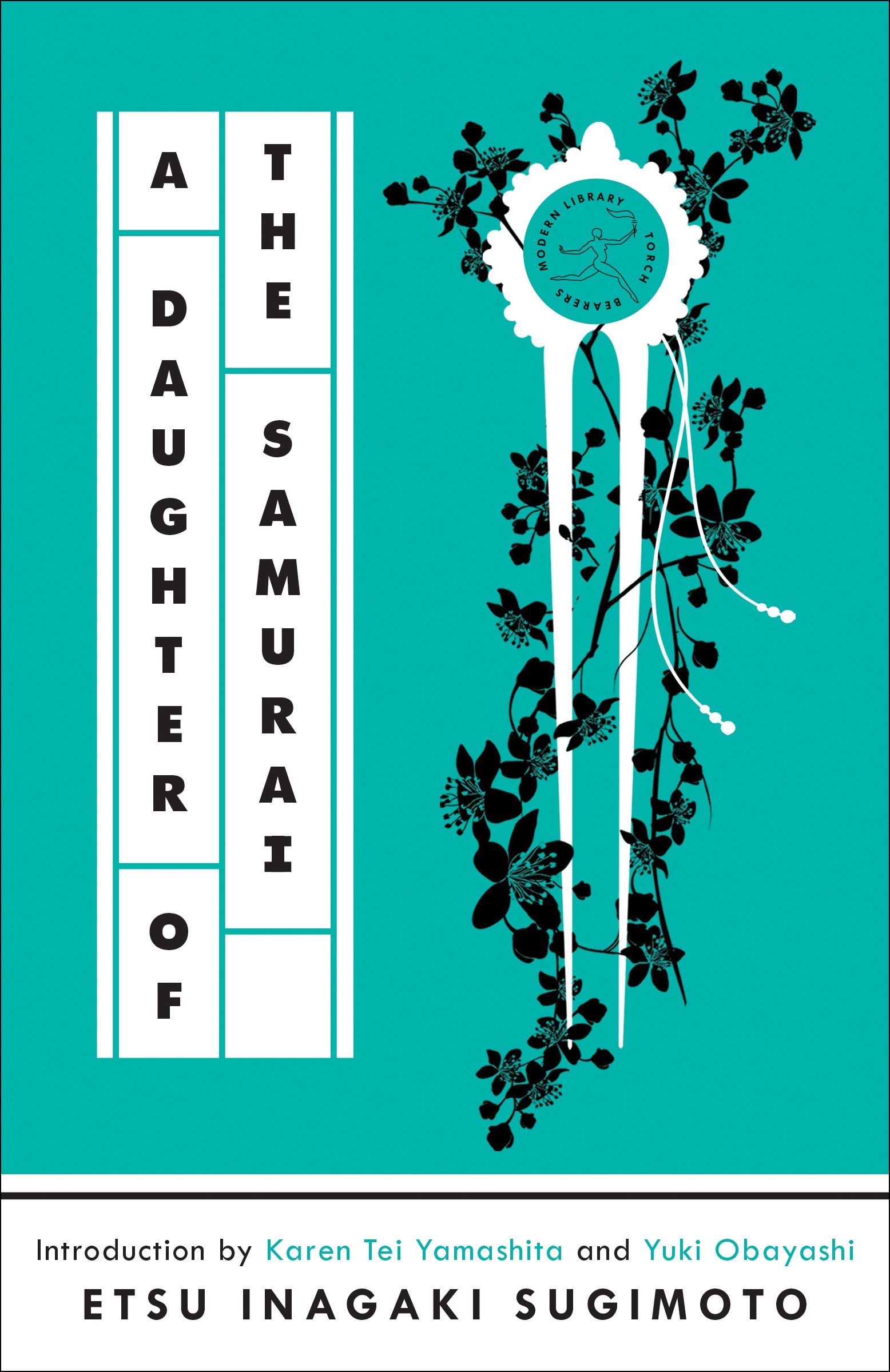
A Daughter of the Samurai

A Memoir


A young Japanese woman leaves the only home she's ever known for married life in nineteenth-century Ohio in a delightful and charming memoir about learning your own strengths and finding your way between two cultures.

A young Japanese woman leaves the only home she’s ever known for married life in nineteenth-century Ohio in this delightful, charming memoir, a tribute to the struggles of the first generation of Japanese immigrants—with an introduction by Karen Tei Yamashita and Yuki Obayashi 
 
The youngest daughter of a high-ranking samurai in late-nineteenth-century Japan, Etsu Inagaki Sugimoto is originally destined to be a Buddhist priestess. She grows up a curly haired tomboy in snowy Echigo, certain of her future role in her community. But as a young teenager, she is instead engaged to a Japanese merchant in Ohio—and Etsu realizes she will eventually have to leave the only world she has ever known for the United States.

Etsu arrives in Cincinnati as a bright-eyed and observant twenty-four-year-old, puzzled by the differences between the two cultures and alive to the contradictions, ironies, and beauties of both. Her memoir, reprinted for the first time in decades, is an unforgettable story of a strong and determined woman.

The Modern Library Torchbearers series features women who wrote on their own terms, with boldness, creativity, and a spirit of resistance.

  • Published: 14 September 2021
  • ISBN: 9780593242667
  • Imprint: Random House US Group
  • Format: Paperback
  • Pages: 304
  • RRP: $49.99

Praise for A Daughter of the Samurai

"It seemed incredible, here in America, where women are free and commanding, that a woman of dignity and culture, the mistress of a home, the mother of children, should be forced either to ask her husband for money, or be placed in a humiliating position. When I left home, Japan, at large, was still following the old custom of educating a girl to be responsible for the well-being of her entire family--husband included. The husband's income was for his family, and his wife was the banker. When he wanted money for himself he asked her for it, and it was her pride to manage so that she could allow him the amount suitable for a man of his standing." (P. 178)