Two classics by one of early America's most successful women writers
A Penguin Classic
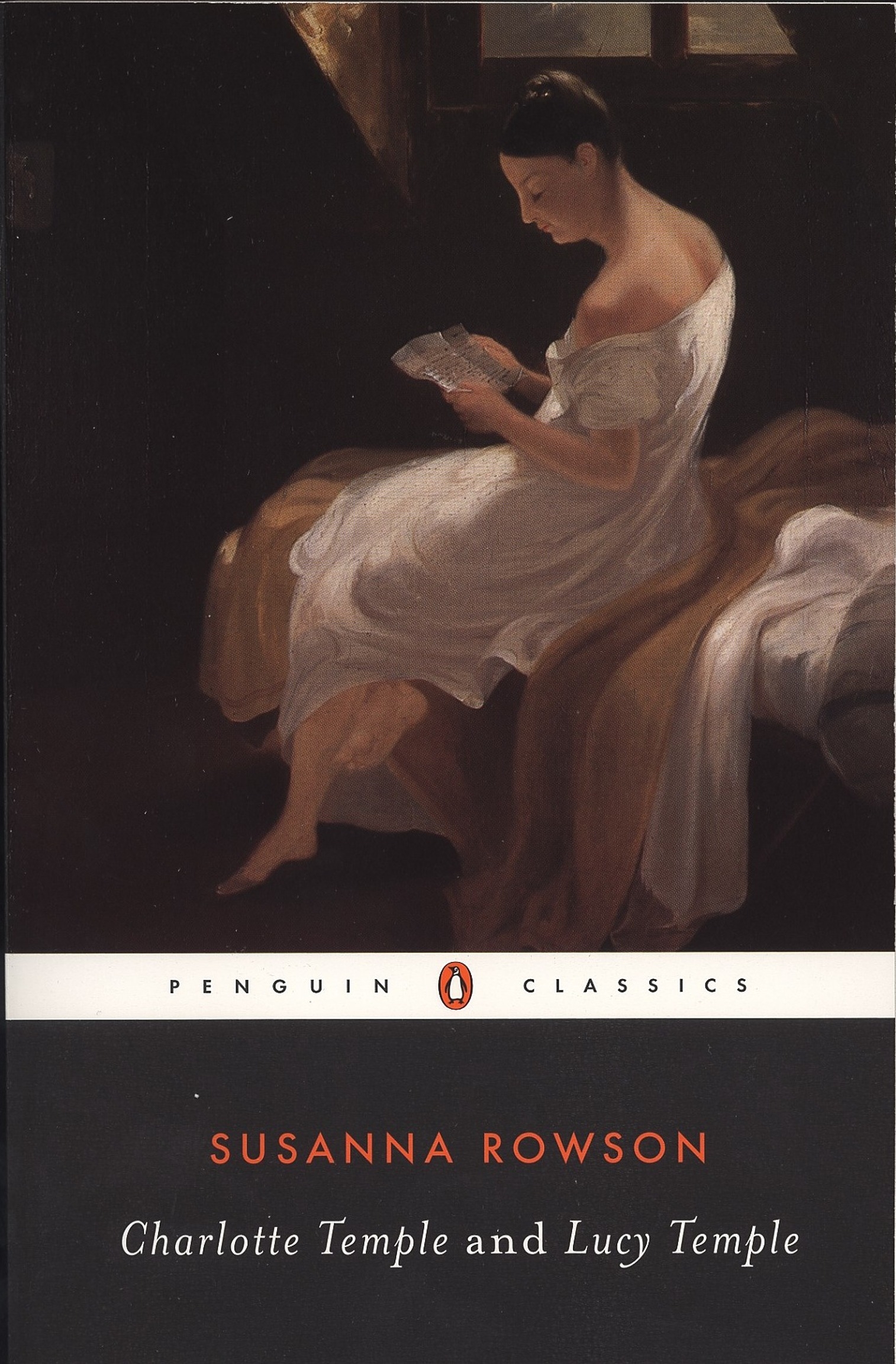
First published in 1794, Charlotte Temple was the biggest bestseller of American literary history until Harriet Beecher Stowe's Uncle Tom's Cabin, half a century later. The story of a young English girl who elopes to America, there only to be cruelly abandoned, Charlotte Temple was repeatedly dramatized during the nineteenth century and provided inspiration for D. W. Griffith's Way Down East. Lucy Temple, Rowson's fascinating sequel, tells the story of Charlotte's orphaned daughter.
Penguin Classics is the leading publisher of classic literature in the English-speaking world, representing a global bookshelf of the best works throughout history and across genres and disciplines. Readers trust the series to provide authoritative texts enhanced by introductions and notes by distinguished scholars and contemporary authors, as well as up-to-date translations by award-winning translators.
Susanna Rowson (1762-1824), novelist, playwright
actress and educator, was born in Portsmouth,
England. Her mother died when she was an infant.
She was raised in New England by her father, a Bri
ish Navy man. During the Revolutionary war,
Susanna's family was held captive for three years
until they were sent back to England in a prisoner
exchange. Susanna married an English actor and
stagehand, William Rowson, and they relocated to
Philadelphia, and then Boston, to work in the thea-
ter. Susanna retired from the stage in 1797 to write
novels, and to run a Young Ladies' Academy. In
addition to Charlotte Temple (1791) and the sequel,
Charlotte's Daughter; or. The Three Orphans
(published posthumously in 1828), Rowson wrote
several novels and dramatic works, as well as educa-
tional tracts that she created for her young pupils.