> Skip to content
[]
  • Published: 2 January 2013
  • ISBN: 9780141973821
  • Imprint: Penguin eBooks
  • Format: EBook
  • Pages: 128
Categories:

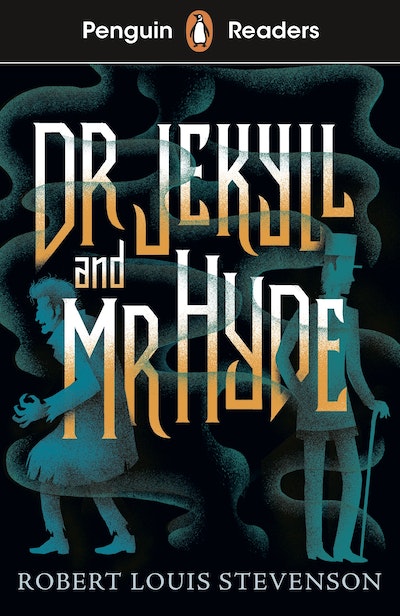
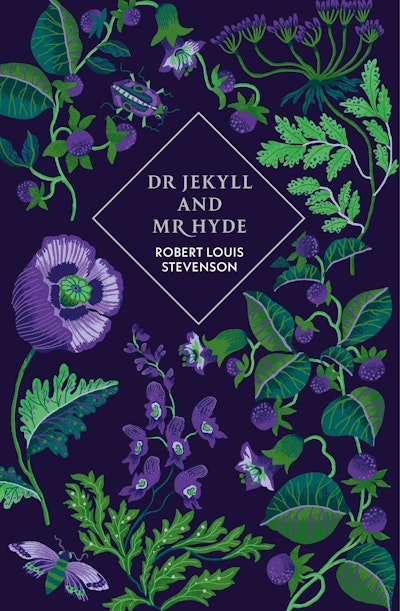
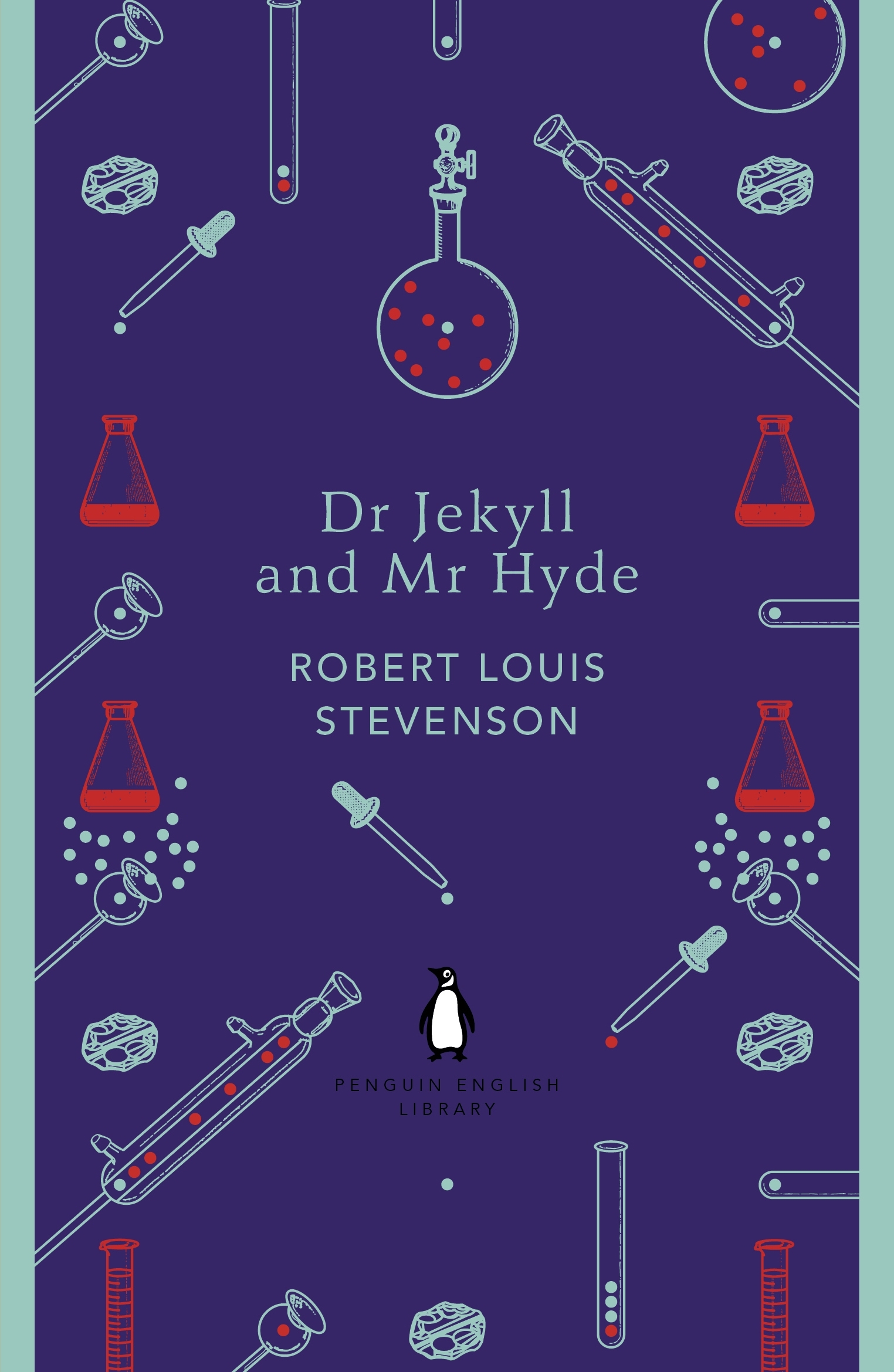
Dr Jekyll and Mr Hyde


The new paperback series: Penguin English Library

'All human beings, as we meet them, are commingled out of good and evil: and Edward Hyde, alone in the ranks of mankind, was pure evil'

Published as a 'shilling shocker', Robert Louis Stevenson's dark psychological fantasy gave birth to the idea of the split personality. The story of respectable Dr Jekyll's strange association with 'damnable young man' Edward Hyde; the hunt through fog-bound London for a killer; and the final revelation of Hyde's true identity is a chilling exploration of humanity's basest capacity for evil.

This edition also includes Stevenson's chilling story 'The Bottle Imp'.

  • Published: 2 January 2013
  • ISBN: 9780141973821
  • Imprint: Penguin eBooks
  • Format: EBook
  • Pages: 128
Categories:

About the author

Robert Louis Stevenson

Robert Louis Stevenson was born in Edinburgh in 1850. Chronically ill with bronchitis and possibly tuberculosis, Stevenson withdrew from Engineering at Edinburgh University in favour of Studying Law. Although he passed the bar and became an advocate in 1875, he knew that his true work was as a writer.

Between 1876 and his death in 1894, Stevenson wrote prolifically. His published essays, short stories, fiction, travel books, plays, letters and poetry number in dozens. The most famous of his works include Travels With A Donkey in the Cevennes (1879), New Arabian Nights (1882), Treasure Island (1883), The Strange Case of Doctor Jekyll and Mr Hyde (1887), Thrawn Janet (1887) and Kidnapped (1893).

After marrying Fanny Osbourne in 1880 Stevenson continued to travel and to write about his experiences. His poor health led him and his family to Valima in Samoa, where they settled. During his days there Stevenson was known as ‘Tusitala’ or ‘The Story Teller’. His love of telling romantic and adventure stories allowed him to connect easily with the universal child in all of us. ‘Fiction is to grown men what play is to the child,’ he said.

Robert Louis Stevenson died in Valima in 1894 of a brain haemorrhage.

Also by Robert Louis Stevenson

See all