- Published: 1 August 2024
- ISBN: 9781802066531
- Imprint: Penguin eBooks
- Format: EBook
- Pages: 112
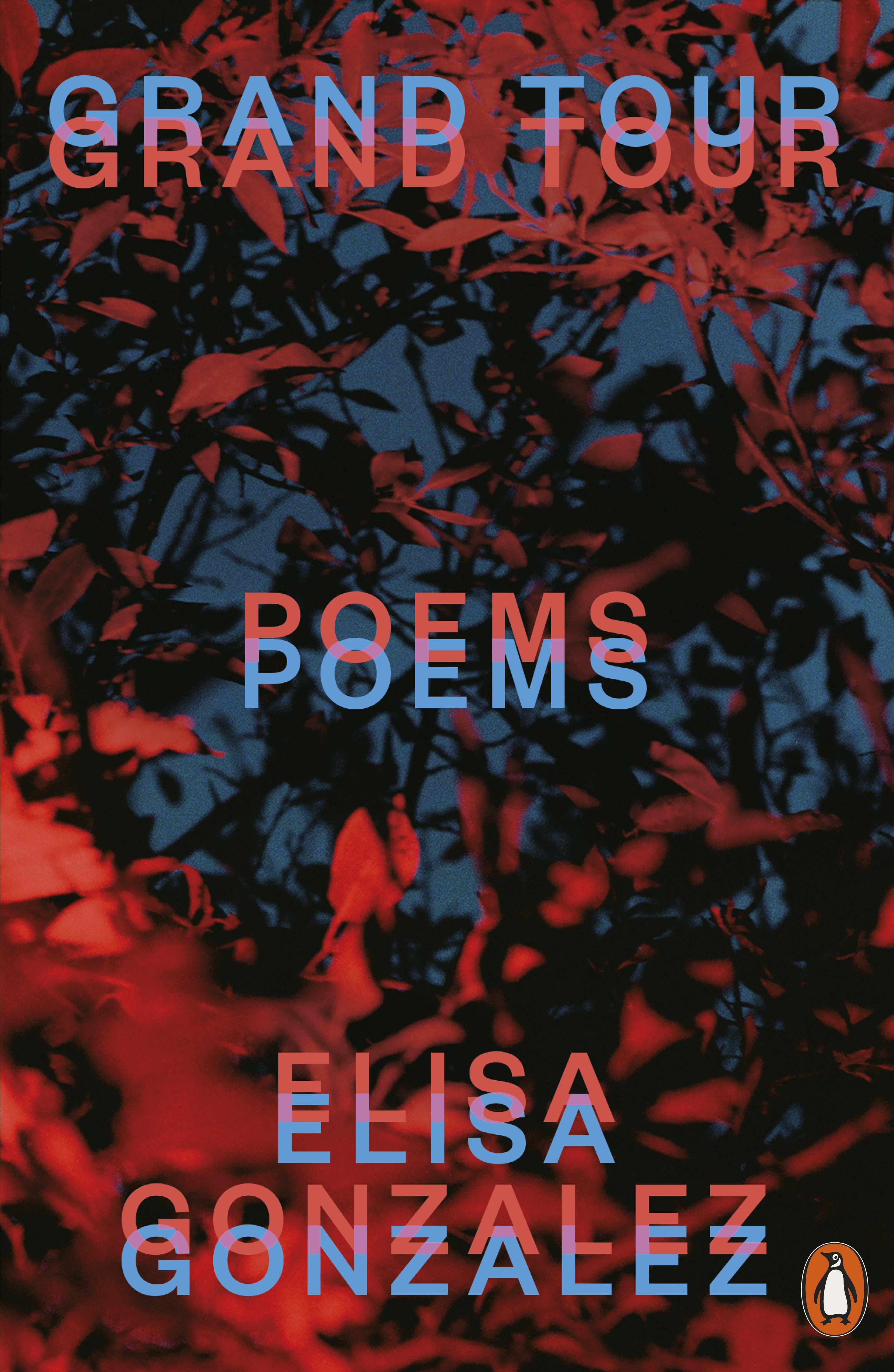
Grand Tour
Poems


- Published: 1 August 2024
- ISBN: 9781802066531
- Imprint: Penguin eBooks
- Format: EBook
- Pages: 112
A mesmerizing book, deeply original, one of the most profound reading experiences I’ve had in years. There is in Gonzalez's nature something volcanic, a sense of fire originating at a very great depth, so when it breaks the surface it breaks blazing. Here are wild elegies to lost selves; here, too, poems of eerie delicacy and strangeness, radiating a kind of desperate sadness. But I love best the long incautious poems: here one feels most urgently her extraordinary force, her dignity, her savage hunger, her sweetness. These poems make me feel as if poems have never before been written
Louise Glück, winner of the Nobel Prize in Literature
In this lush, elegiac first book, Elisa Gonzalez is a stranger, a pilgrim, a visitor, a guest in pursuit of knowledge, passion, and a home. Innocence and youth give way to songs of experience. Reading her poems—with their revealing language, intimate plots, and masterful sense of the self—I feel my heart beat more quickly, like in the woods when a flower moon lights up the dark path again
Henri Cole, author of Gravity and Center: Selected Sonnets, 1994-2022
If the subject of traditional 'grand tour' literature was a rich European dude on a big soul-searching journey across the continent, Elisa Gonzalez’s is something else altogether: a queer American woman’s reckoning with grief, daughterhood, sexual independence, and the naked injustices of the modern world. As I read this exquisite book, I kept marveling at how many lives seem to fit into it, how many discrete and interlocking selves. Keen-sighted, effortlessly erudite, and bristling with near-perfect turns of phrase, this is an extraordinary debut
Maggie Millner, author of Couplets
Delicate, bracing as steel, Grand Tour is a splendid act of reconciliation. Between the self and its experience of the world, and, the more difficult process, between the self and its accumulated reality. In lines marked by an obdurate, flowing grace, the superb grand tour of Grand Tour magnifies the many revivals contained in one life
Ishion Hutchinson, author of School of Instructions
At the center of Gonzalez’s discerning Grand Tour are the excursions we all take in the world, making a home of it. These remarkable poems meditate on life as it is practiced: between borders. An ethical pilgrim and visitor, she surveys the unsteady givenness of a world polluted by the consequences of the imagination, demanding better scrutiny for ourselves, of our history and all that we have
Ricardo Alberto Maldonado, author of The Life Assignment
I would follow Elisa Gonzalez’s sensibility anywhere—ferocity meets tenderness meets humility, creating unexpected spaces of intimacy from wry, sideways glances to the reader, seeking and seeking and understanding too well there is no end to seeking. This is a poet whose wisdom runs ancient in its depth and breadth—a philosopher poet who declares, deliciously, 'Death to Philosophers!'
Maud Casey, author of City of Incurable Women
A stunning exploration not just of what we perceive but the shifting, illusory nature of perception itself
The Rumpus
Gonzalez's poetry is as graceful as it gets
Santa Barbara Independent
This vivid, searching début collection traverses and troubles borders between nations, languages, lovers, the past and the present, the living and the dead; combining reflections on art and history with astute observations of everyday life, Gonzalez contends with the world's capacity for profound suffering and for near-unbearable beauty in equal measure
New Yorker