> Skip to content
[]
  • Published: 6 August 2026
  • ISBN: 9781529974768
  • Imprint: Vintage Digital
  • Format: Audio Download
  • RRP: $45.00

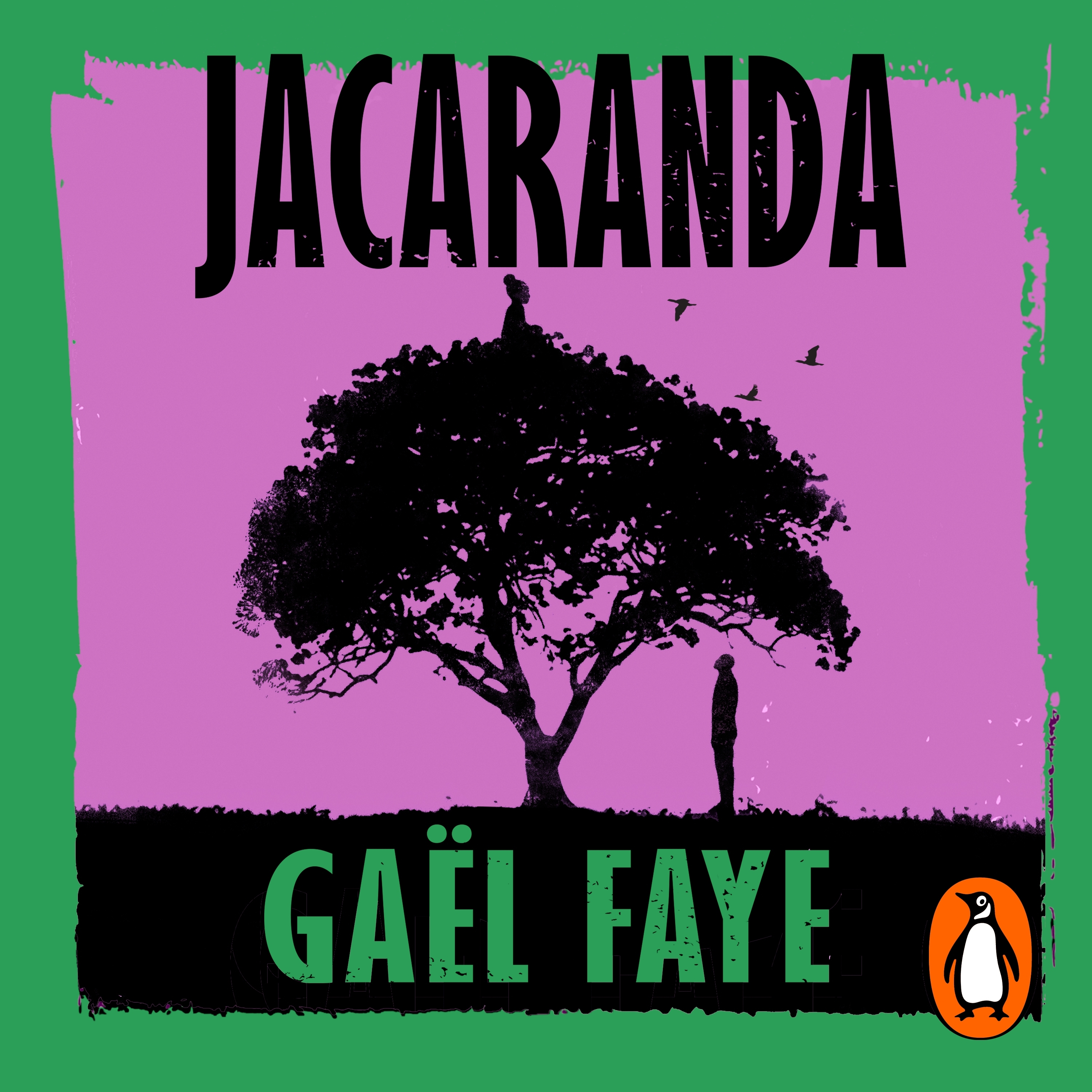
Jacaranda


The highly anticipated second novel from a superstar international bestseller and prizewinner, Rwandan-French novelist and hip-hop artist Gaël Faye: a richly immersive story of a young man trying to understand his family's past and homeland, for readers of Abdulrazak Gurnah, Chimamanda Ngozi Adichie, Chigozie Obioma

Faced with the prospect of having to repeat a year in school, twelve-year-old Milan tells his parents the first lie he can think of: his bad grades are due to the genocide in Rwanda, his mother's homeland. In reality, he knows little about Rwanda or his mother's past, which she has kept secret. Soon after, Claude arrives, a boy from Rwanda with a mysterious wound and shadowy backstory. Thrilled to have a new playmate, Milan treats Claude as a brother until one day, he is gone, back to Rwanda as quickly as he came.

Four years later, Milan travels for the first time to Rwanda, encountering a beguiling country and family members he never knew existed. He reunites with Claude and spends time with Eusebia, his mother’s childhood friend, who lives with her grandmother Rosalie and her newborn baby Stella. He returns to Rwanda again 7 years later to see Claude testify in the gacaca trials in front of the men responsible for killing his family.

Over the course of many years, Milan will return to Rwanda again and again, always confronting new sides of himself and those he loves. Meanwhile, Stella wants to tell Rosalie’s life story, which becomes the story of the country’s path towards justice through testimony. Spanning generations and time, Jacaranda is a rich and deeply felt portrait of a man seeking to understand his family and his nation as it heals from the unthinkable.

  • Published: 6 August 2026
  • ISBN: 9781529974768
  • Imprint: Vintage Digital
  • Format: Audio Download
  • RRP: $45.00

About the author

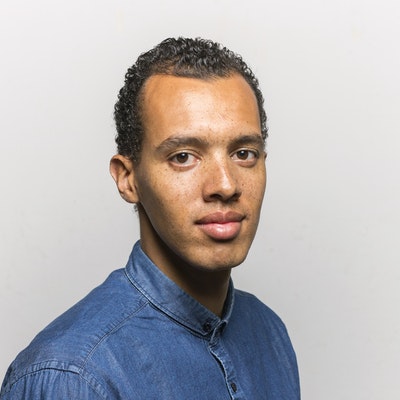
Gael Faye

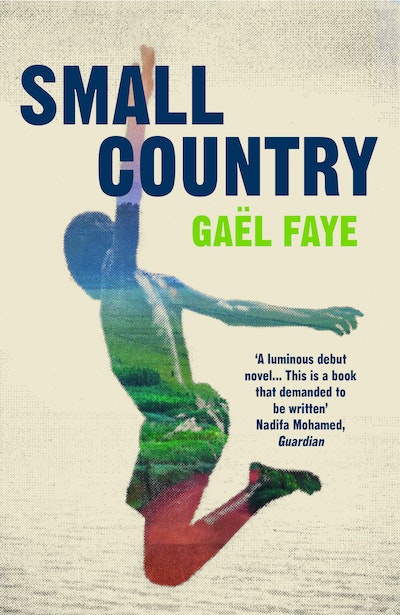
Gaël Faye was born in Burundi and now lives in Rwanda. His debut novel, Small Country, received thirteen literary awards, including the Prix Goncourt des Lycéens. It has been translated into forty languages and adapted for film, theatre, and graphic novel. In 2024, his second novel, Jacaranda, was awarded the Prix Renaudot and Choix Goncourt in 28 countries. An author, songwriter and hip-hop artist, he has also released several music albums, including Pili Pili sur un croissant au beurre (2013), Rythme et botanique(2017), Des fleurs (2018), Lundi méchant (2020), and Mauve Jacaranda (2022).

Also by Gael Faye

See all

Praise for Jacaranda

'There is magic in Gaël Faye’s writing. A luminous poetic quality that sheds light on History without tempering it—probing, with supreme clarity, the secrets of a country and a family. Through the beauty of his style, he speaks humanely and compassionately about the worst atrocities. This book is unforgettable.'

Leïla Slimani

‘A work of rare, poetic and haunting qualities, on memory, identity and justice, and the humanity that horror might beget. Memorable and utterly, captivatingly brilliant.’

Philippe Sands

'A novel about time and its effects, about what it does to people, to memory, to places. . . .Above all a novel that speaks out against silence.'

Le Monde

'A deeply felt exploration of memory, inheritance, and the possibility that something beautiful can emerge from the worst type of atrocity . . . populate[d] with vivid and morally complex characters.'

Publishers Weekly

'An extraordinary life force emanates from these pages.'

La Croix

A bold and uncompromising book

Guardian

Crisply translated by Sarah Ardizzone, Jacaranda is a powerful account of a country’s fragmentation, the horrific violence neighbours inflicted on neighbours and intergenerational trauma

Financial Times

'A nuanced exploration of conflict and the meaning of resolution. Though it is focused on Rwanda ... the question of whether people can forgive and forget past wrongs is a universal one. Hope lies with the next generation.'

The Economist