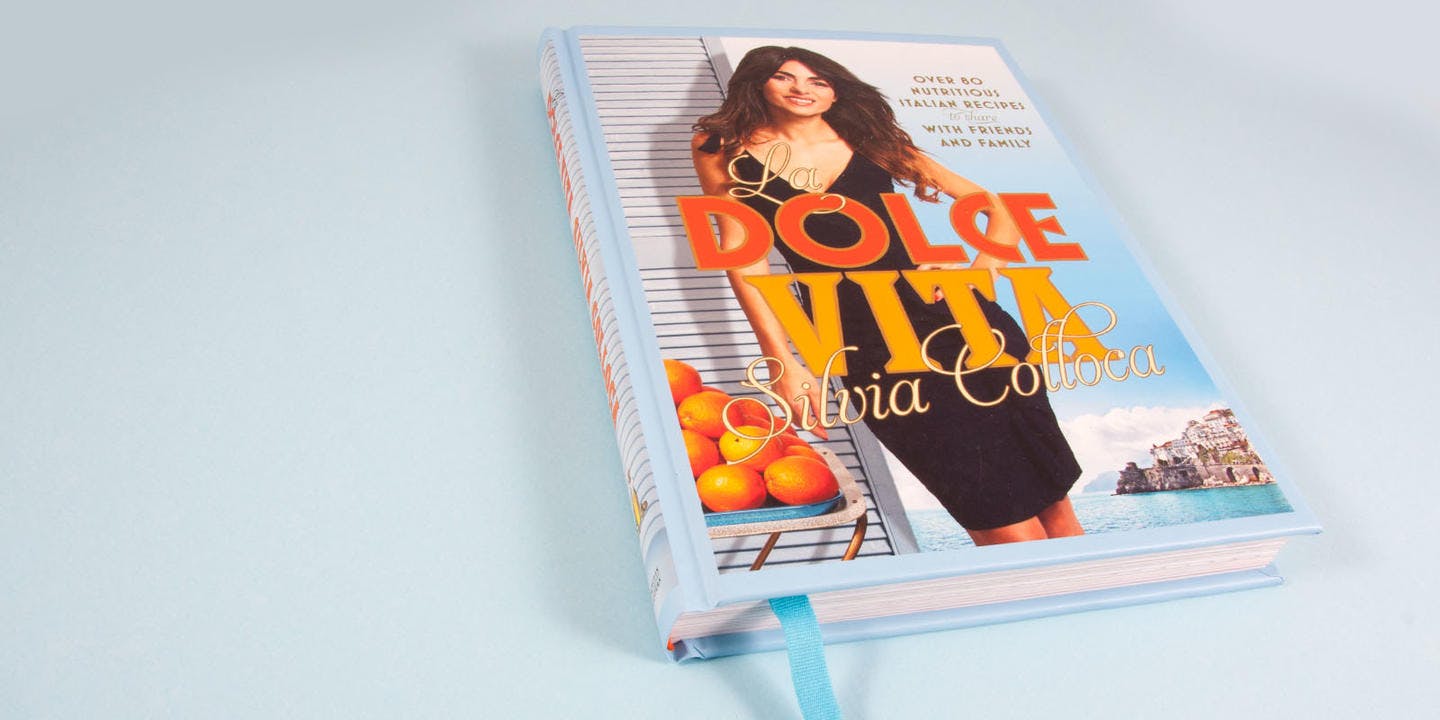
Silvia Colloca outlines why these three little words mean so much.
In her third cookbook Silvia Colloca embraces the Mediterranean food she grew up with, taking us far beyond the heavy pasta dishes and rich cakes that Italian cuisine is often (mistakenly) associated with. She showcases how Italian home cooks prefer to cook simply, allowing fresh fruit and vegetables, legumes and fish to shine, with sparing use of dairy, meat, animal fats and sugars. Straight from the pages of La Dolce Vita, Colloca explains what ‘the sweet life’ means to her.
La Dolce Vita…three simple words that instantly evoke romantic images of sun-drenched coastlines dotted with parasols and beach chairs; rolling green hills seen from the window of a vintage Fiat 500; a little bar on a small cobblestoned piazza where effortlessly glamorous people sip their crimson Campari; three-generation families sitting around long tables draped with red and white tablecloths sharing an abundance of food, laughter and love. These quintessential pictures of Italy have given us all an irreplaceable gift: the desire to enjoy life the simple way, the Italian way.
As a born and bred Italian woman I can tell you such inspiration doesn’t just belong to tourists. Italians crave that way of life too and every August, when Italy is officially on a summer break, we pack ourselves into our cars and travel along the congested Autostrada del Sole for a piece of the sweet life. We may not look as impossibly handsome as Marcello and Sofia, we may have swapped the vintage 500 for a sedan, and those sitting in the passenger seats may only occasionally look up from their smart phones to catch a glimpse of the stunning view, but we are nonetheless living La Dolce Vita and building precious and everlasting memories.
These days I have come to appreciate that La Dolce Vita is a way of life you can aspire to wherever in the world you may be, whatever the weather. It is a state of mind that comes from within, once you embrace the sheer beauty of life and celebrate every moment of it. And of course, as an Italian, my idea of celebration has to include plenty of food, to suit everyone.
LET’S ALL AGREE THAT ITALIAN FOOD CAN BE HEALTHY
So often I am confronted with the misconception that Italian food is to be avoided at best or only consumed sporadically and with caution. Why is it then that Italians seem to be living longer and are less prone to heart disease than most other people? After all, Italians are smokers, rather lazy and the healthcare system is laughable. My guess is that the elixir is encapsulated in the Mediterranean diet, which means consuming olive oil instead of animal fat, plenty of fibre, fruit and vegetables, legumes, seafood, cereal, a little dairy and moderate intake of wine and meat.
Many people associate Italian cuisine with the way it is represented in restaurants and this is where the confusion may begin. Restaurant kitchens operate at high speed, turning out a multitude of dishes in large quantities. One quick short-cut to flavour and time management is the generous use of fats and sugars. When it comes to home cooking, however, kitchens are run differently. Italian home cooks are creative and make do with little, combined with common sense and abundant creativity. We embrace the principles of cucina povera (a cost-effective way of preparing food that relies solely on freshness and sustainability) and, more to the point, we don’t gorge ourselves on spaghetti carbonara every day of the week.
Even when we are in the mood to celebrate, it is easy to create nutritious dishes to mix up with the opulent ones; after all, we all need the occasional touch of naughty!
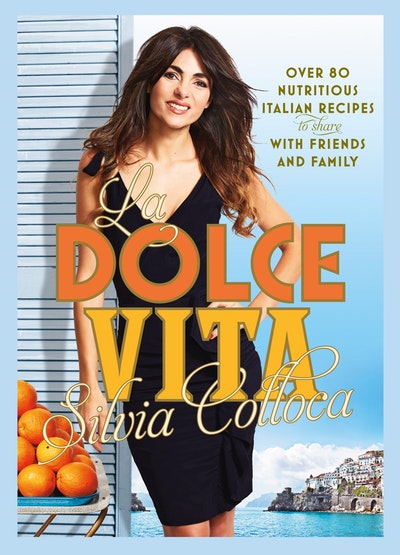
In her third cookbook Silvia embraces the Mediterranean food she grew up with, taking us far beyond the heavy pasta dishes and rich cakes that Italian cuisine is often (mistakenly) associated with. Italian home cooks are more likely to cook simply, allowing fresh fruit and vegetables, legumes and fish to shine, with sparing use of dairy, meat, animal fats and sugars.
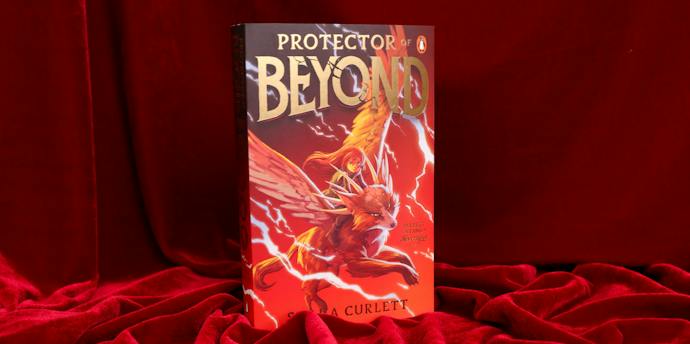
In their own words, read real reviews of Protector of Beyond by Shara Curlett!
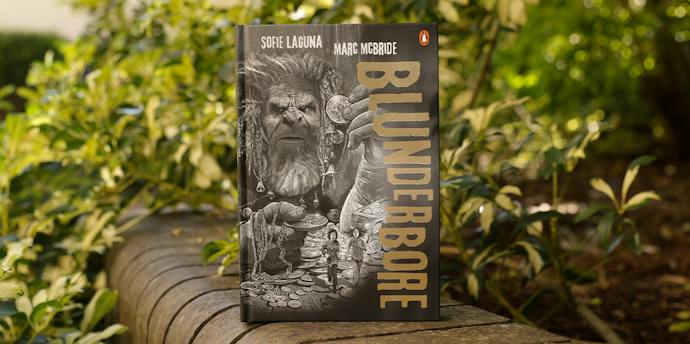
This is Jack and the Beanstalk like you’ve never seen it before! An exciting action-packed graphic adventure story set in the world of Jack in the Beanstalk. From award-winning author Sofie Laguna and monster-illustrator extraordinaire, Marc McBride.
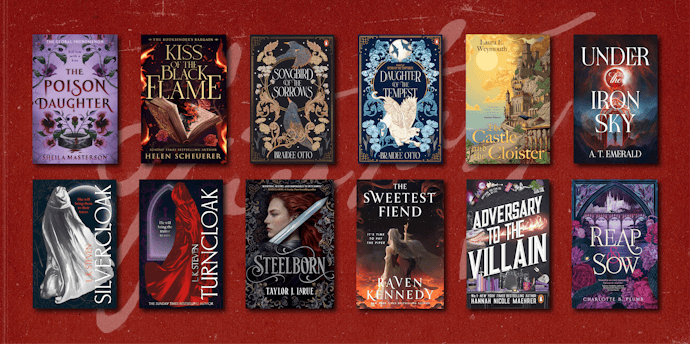
Looking for your next fantasy read? Explore some of our favourite new and upcoming releases...
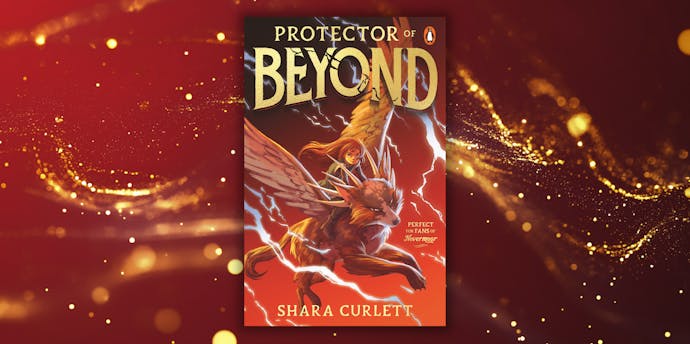
Magical creatures, perilous trials and one unbelievable adventure await in Protector of Beyond, the first book in a gripping new fantasy book series from exciting new voice Shara Curlett.
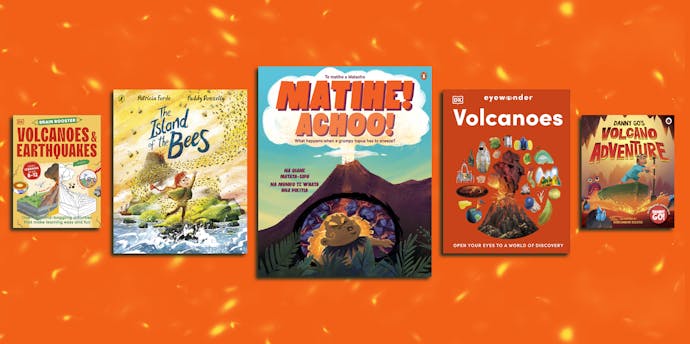
What makes a volcano erupt? How are they formed? And what stories have people told about them?
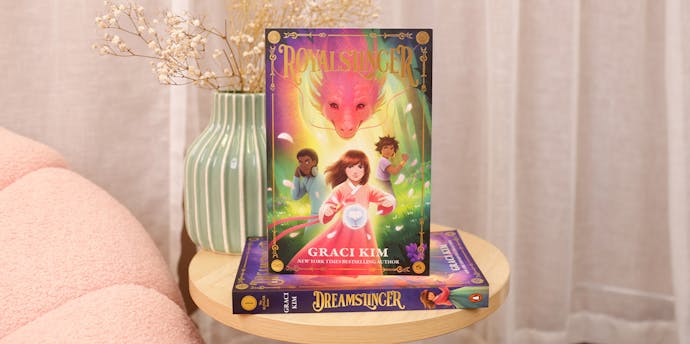
We wanted to know what young Kiwi readers thought about Royalslinger, the fantastical second book in Graci Kim's Slinger series (hint: they loved it!). Read on to see their reviews!
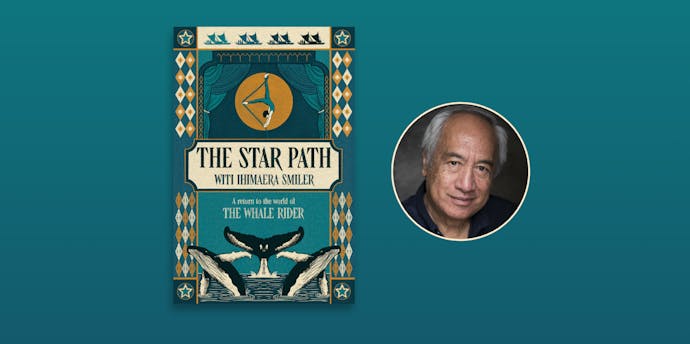
What does The Whale Rider mean to you?
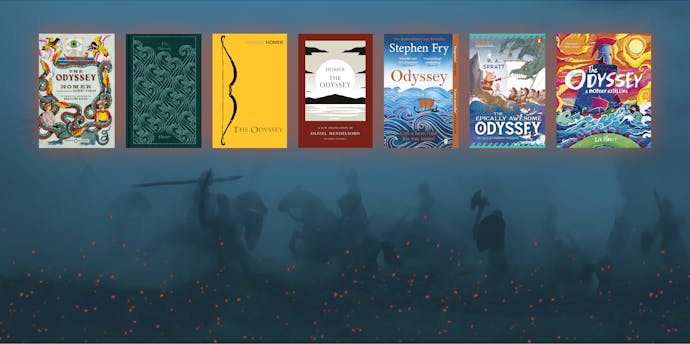
There’s a version of The Odyssey for every reader - read on to find the one for you to read before (or after!) you see the movie in theatres.
Learn more and apply for the Penguin Children’s Bookseller Grant – a $50,000 initiative designed to engage young readers.

Learn how to make seven Book Week costumes inspired by the Bluey books. Each costume is easy to make and will look great during Book Week!