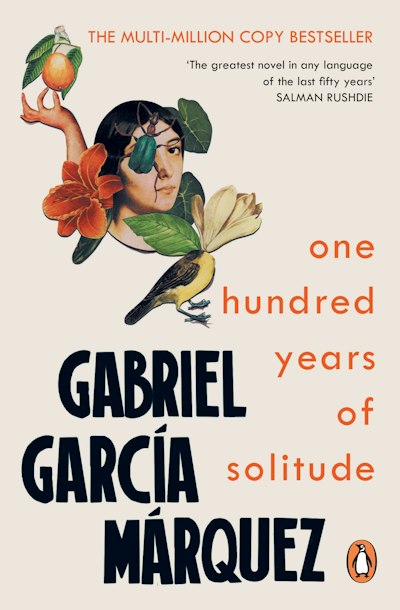
There are novels, like journeys, which you never want to end: this is one of them. One seventh of July at six in the afternoon, a woman of 71 and a man of 78 ascend a gangplank and begin one of the greatest adventures in modern literature. The man is Florentino Ariza, President of the Carribean River Boat Company; the woman is his childhood sweetheart, the recently widowed Fermina Daza. She has earache. He is bald and lame. Their journey up-river, at an age when they can expect 'nothing more in life', holds out a shimmering promise: the consummation of an amor interruptus spanning half a century. LOVE IN THE TIME OF CHOLERA is one of the most uplifting romances of our times. An epiphany to late-flowering love, it holds out the subversive promise that you can have what you wish for: you may just have to wait. Set on the Colombian coast in the early part of this century, it is, arguably even more so than ONE HUNDRED YEARS OF SOLITUDE which won him the Nobel Prize, the crowning work of Gabriel Garcia Marquez. 'My best, ' he says of it. 'The novel that was written from my gut. ' Publication is timed to tie in with the launch of Marquez' new novel, NEWS OF A KIDNAPPING, by Jonathan Cape on 3 July.
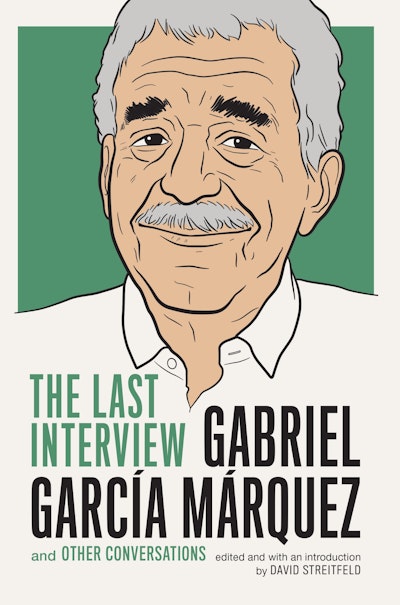
Gabriel Garcia Marquez (b. 1927, Aracataca, Colombia; d. 2014, Mexico City, Mexico) was a Colombian novelist, short-story writer, and journalist. He was one of the most influential and beloved novelists of the twentieth century; his novel One Hundred Years of Solitude has been read by millions worldwide, and is the foremost example of "magical realism." His other books include the novels The Autumn of the Patriarch, No One Writes to the Colonel, Love in the Time of Cholera, and Memories of My Melancholy Whores, and a memoir, Living to Tell the Tale. He received the Nobel Prize for Literature in 1982.