> Skip to content
[]
  • Published: 6 January 2026
  • ISBN: 9780241755396
  • Imprint: Penguin Classics
  • Format: Paperback
  • Pages: 112
  • RRP: $28.00

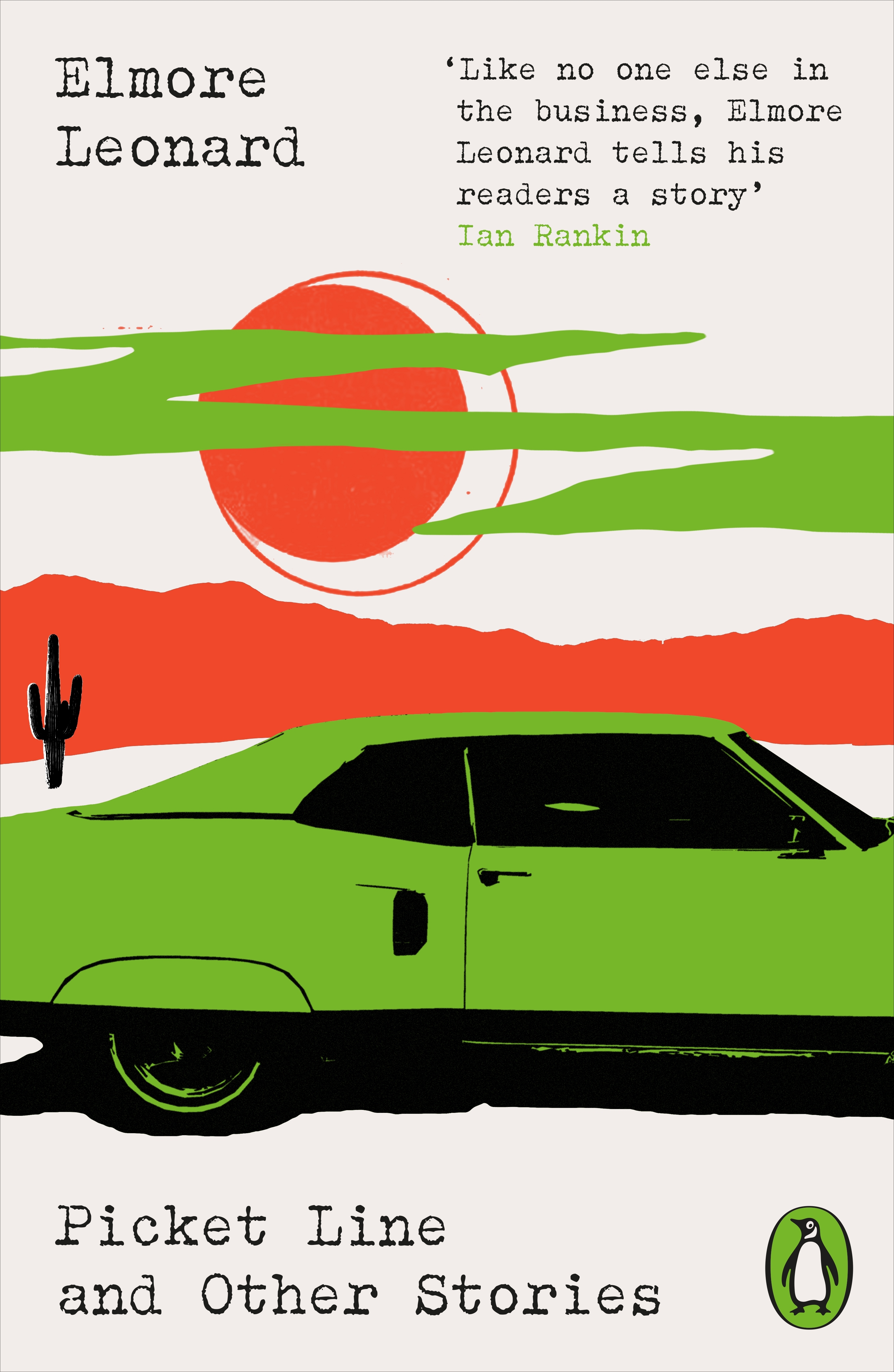
Picket Line and Other Stories


Three previously unpublished stories by the master of tense set-ups

These three stories--'Picket Line', 'Chick Killer' and 'Ice Man'--show Elmore Leonard at his most terse and harsh, able to conjure up a sense of profound unease and injustice in just a few words.

The main story 'Picket Line' describes a tense stand-off between migrant workers in Texas, police and labour organisers in a brilliantly orchestrated series of arguments and negotiations, with the potential for terrible violence lurking in every exchange. 'Chick Killer' and 'Ice Man', set in Florida and California are two riffs on the thing that made Leonard great: his extraordinary ear for creating dialogues of negotiation, where the stakes could not be higher for the loser.

  • Published: 6 January 2026
  • ISBN: 9780241755396
  • Imprint: Penguin Classics
  • Format: Paperback
  • Pages: 112
  • RRP: $28.00

About the author

Elmore Leonard

Elmore Leonard (1925—2013) began his long and extraordinary career as a writer of Westerns, most famously a story which was made into the film 3:10 To Yuma. He then became known for his remarkable sequence of crime novels, generally set in Michigan or Florida. A master of funny and threatening dialogue, his influence has been incalculable. Leonard received the Lifetime Achievement Award from PEN US and the Grand Master Award from the Mystery Writers of America.

Also by Elmore Leonard

See all

Praise for Picket Line and Other Stories

Like all of Leonard’s books, Picket Line is a taut and engaging tale. Crime dramas made Leonard famous, but this is a social-justice story. . . . Leonard renders their adventures and their thoughts in spare, elegant, Hemingway-inspired prose. . . . Picket Line builds a convincing portrait of the spirit of a lost, idealistic age. . . . It has the cinematic mastery of scene and dialogue that characterized Leonard’s later works

Héctor Tobar, The New York Times