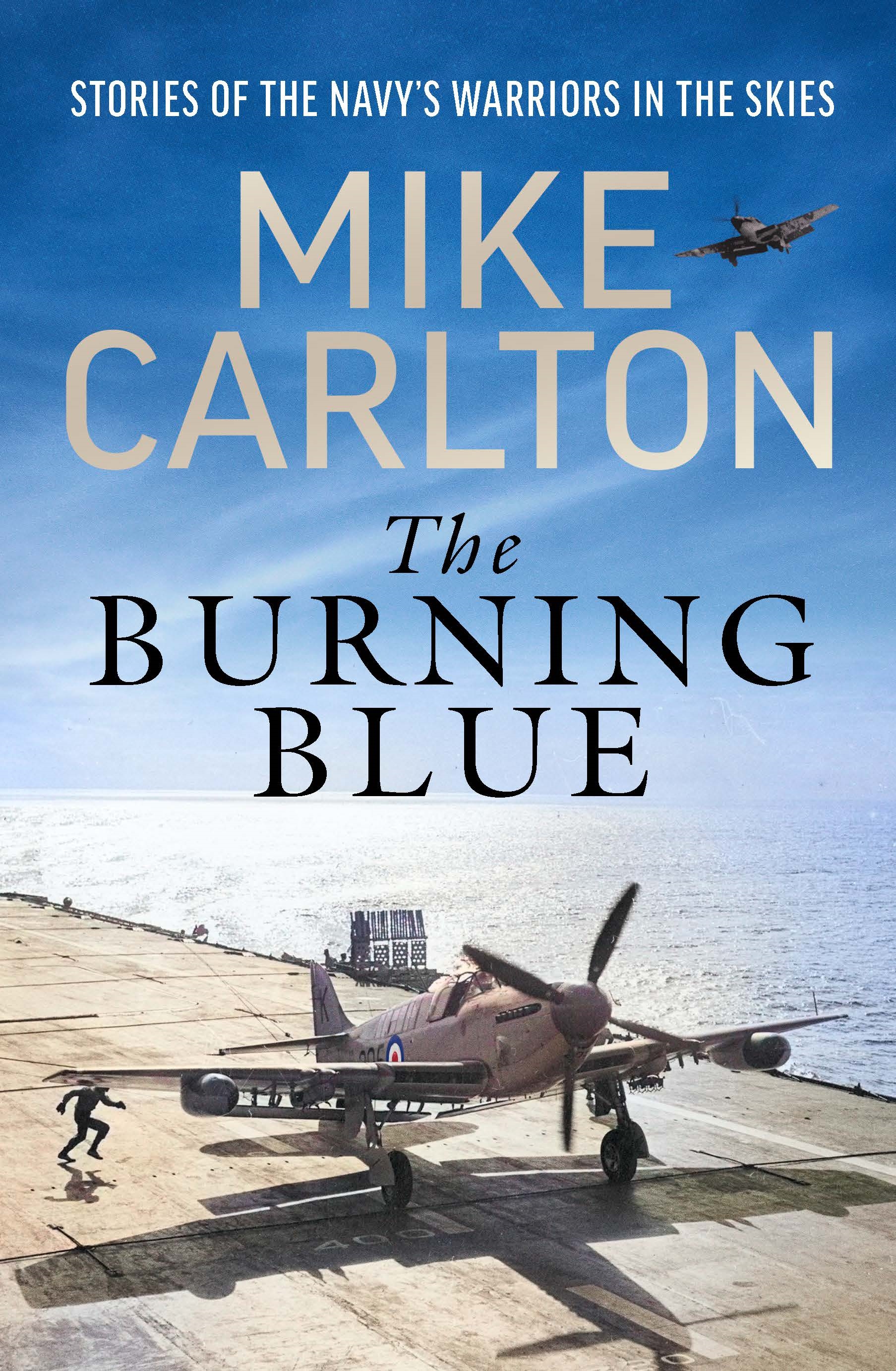
Throughout the twentieth century, the pilots of the Royal Australian Navy carved their name with pride to build a service that would take shape as the Navy’s Fleet Air Arm.
Australian naval aviators stood tall in the gallant ranks of the fighter Aces of World War 1.They fought, and some of them died, above the bloody trenches of France and Flanders, where - alone in the freezing, open cockpits of aircraft made from wood, wire and canvas - they duelled with the likes of Germany’s legendary Red Baron.
The next generation flew in the grey gloom of the North Sea and the icy Arctic against Hitler’s battleships, and in the sunny blue skies or the dust storms of the Mediterranean to meet the Luftwaffe and Mussolini’s air force.
In Korea – the so-called 'forgotten war' - they launched with bombs and rockets from the snowy and ice-encrusted flight deck of the aircraft carrier HMAS Sydney.
Vietnam, the first helicopter war, was a theatre of sometimes tempestuous tropical skies, of rain forests, rice paddies and the perils of a 'hot' landing zone under fire in some jungle clearing.
Throughout the twentieth century, the pilots of the Royal Australian Navy carved their name with pride to build a service that would take shape as the Navy’s Fleet Air Arm. And not just the pilots. The observers, the engineers, the mechanics, the aircraft maintainers - and the families, too – were in the thick of it, creating a tradition.
In wartime the perils were evident. But peace has its hazards and dangers too, for naval flying is ever at the cutting edge. The most skilled and experienced pilots found it daunting to land at night on the deck of a carrier, a tiny rectangle pitching and rolling in a vast, dark ocean. Accident and death hovered not far away.
This book tells the stories of these aviators, much of it in their own words. They are the heroes who flew high in the Burning Blue.