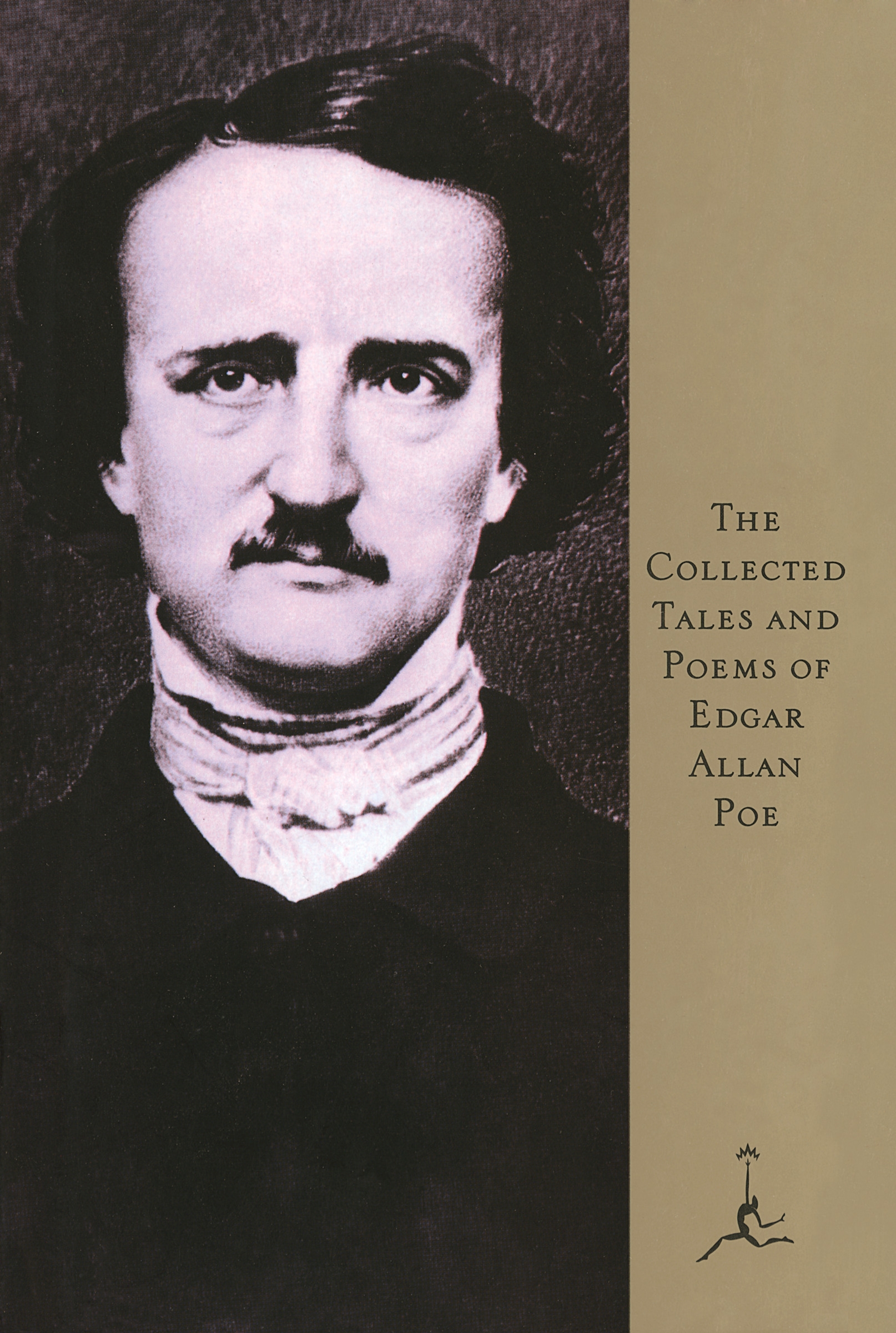
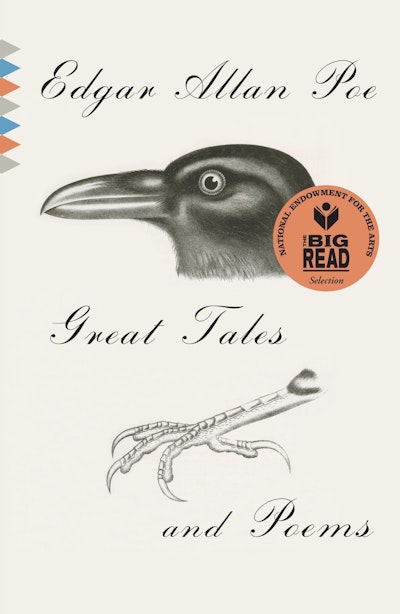
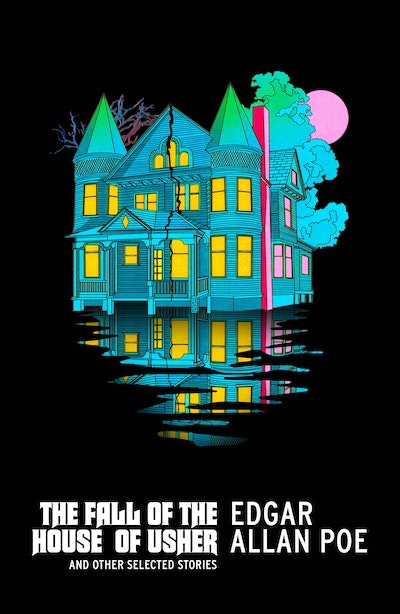
Edgar Allan Poe was one of the most original writers in the history of American letters, a genius who was tragically misunderstood in his lifetime. He was a seminal figure in the development of science fiction and the detective story, and exerted a great influence on Dostoyevsky, Arthur Conan Doyle, Jules Verne, and Charles Baudelaire, who championed him long before Poe was appreciated in his own country. Baudelaire's enthusiasm brought Poe a wide audience in Europe, and his writing came to have enormous importance for modern French literature. This edition includes his most well-known works--"The Raven," "The Pit and the Pendulum," "Annabel Lee," "The Fall of the House of Usher," "The Murders in the Rue Morgue"--as well as less-familiar stories, poems, and essays.
Edgar Allan Poe was born in Boston, USA, in 1809. Poe, short story writer, editor and critic, he is best known for his macabre tales and as the progenitor of the detective story. He died in 1849, in mysterious circumstances, at the age of forty.
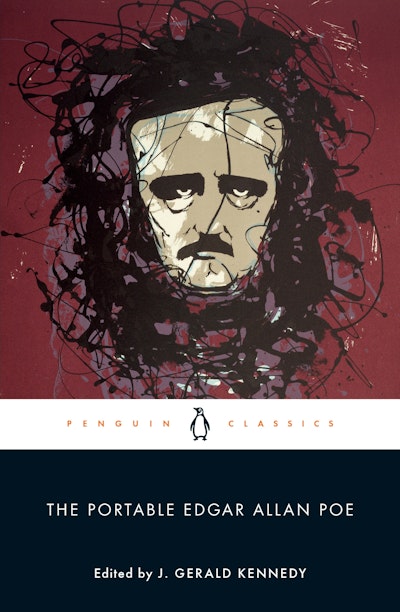
J. Gerald Kennedy is Boyd Professor of English Emeritus at Louisiana State University and a past president of the Poe Studies Association. His books on Poe include Poe, Death, and the Life of Writing (1987), “The Narrative of Arthur Gordon Pym” and the Abyss of Interpretation (1995), and several edited volumes including A Historical Guide to Edgar Allan Poe (2001), Romancing the Shadow: Poe and Race (2001; with Liliane Weissberg), and Poe and the Remapping of Antebellum Print Culture (2012; with Jerome McGann). His major contribution to American literary studies is Strange Nation: Literary Nationalism and Cultural Conflict in the Age of Poe (2016), written with the support of fellowships by the John Simon Guggenheim Memorial Foundation and the National Endowment for the Humanities. He has also published Imagining Paris: Exile, Writing, and American Identity (1993), and he edited the Penguin Classics edition of The Life of Black Hawk (2008). He has appeared in many Poe documentary films, including The Mystery of Edgar Allan Poe(1994) for the A&E Biography series and Eric Stange’s film for the PBS American Masterpiece series, Edgar A. Poe: Buried Alive (2017).