> Skip to content
[]
  • Published: 25 August 2005
  • ISBN: 9780140445473
  • Imprint: Penguin Classics
  • Format: Paperback
  • Pages: 400
  • RRP: $35.00

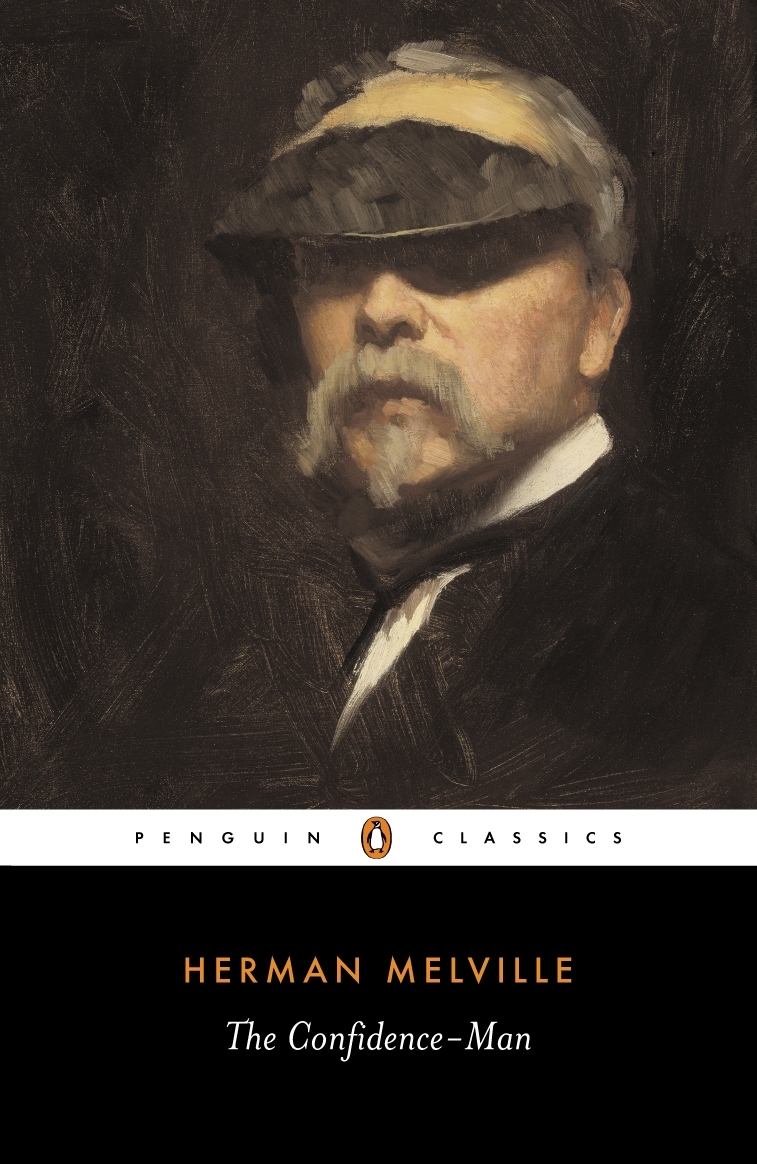
The Confidence-Man


In his introduction, Stephen Matterson discusses Melville's literary career, the role of the trickster in American literature, and themes of satire and religious allegory in this unusual novel

Onboard the Fidèle, a steamboat floating down the Mississippi to New Orleans, a confidence man sets out to defraud his fellow passengers. In quick succession he assumes numerous guises - from a legless beggar and a worldly businessman to a collector for charitable causes and a 'cosmopolitan' gentleman, who simply swindles a barber out of the price of a shave. Making very little from his hoaxes, the pleasure of trickery seems an end in itself for this slippery conman. Is he the Devil? Is his chicanery merely intended to expose the mercenary concerns of those around him? Set on April Fool's Day, The Confidence-Man (1857) is an engaging comedy of masquerades, digressions and shifting identity, and a devastating satire on the American dream.
  • Published: 25 August 2005
  • ISBN: 9780140445473
  • Imprint: Penguin Classics
  • Format: Paperback
  • Pages: 400
  • RRP: $35.00

About the author

Herman Melville

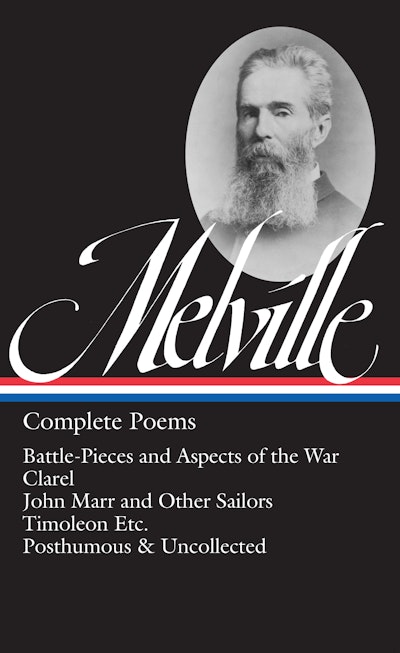
Herman Melville was born in New York City in 1819. When his father died, he was forced to leave school and find work. After passing through some minor clerical jobs, the eighteen-year-old young man shipped out to sea, first on a short cargo trip, then, at twenty-one, on a three-year South Sea whaling venture. From the experiences accumulated on this voyage would come the material for his early books, Typee (1846) and Omoo (1847), as well as for such masterpieces as Moby-Dick (1851), Pierre (1852), The Piazza Tales (1856), and Billy Budd, Sailor, and Other Stories (posthumous, 1924). Though the first two novels—popular romantic adventures—sold well, Melville's more serious writing failed to attract a large audience, perhaps because it attacked the current philosophy of transcendentalism and its espoused "self-reliance." (As he made clear in the savagely comic The Confidence Man (1857), Melville thought very little of Emersonian philosophy.) He spent his later years working as a customs inspector on the New York docks, writing only poems comprising Battle-Pieces (1866). He died in 1891, leaving Billy Budd, Sailor, and Other Stories unpublished.

Also by Herman Melville

See all