Love, tragedy and hope conspire in Paris, when a kiss between two strangers changes everything.
Isabelle Forrester is the wife of a Parisian banker who has long since shut her out of his heart. She has one secret pleasure: a long-distance friendship with a man who, like Isabelle, is trapped in a loveless marriage. To Bill Robinson, Isabelle is a kindred spirit. Agreeing to meet for a few precious, innocent days in London, they find their friendship changing, and they exchange their first, searching kiss. Time stands still – and tragedy strikes. A long journey begins – towards healing, hope and dreams of a seemingly impossible future. Isabelle and Bill cling to life. Together they must find the strength not only to embrace the future but to face what they have left behind.
Danielle Steel has been hailed as one of the world’s bestselling authors, with a billion copies of her novels sold. Her many international bestsellers include Ruthless, The True Meaning of Love, Weddings, A Woman’s Place, Felicia’s Favorites, The Devil’s Daughter, The Color of Hope, and other highly acclaimed novels. She is also the author of His Bright Light, the story of her son Nick Traina’s life and death; A Gift of Hope, a memoir of her work with the homeless; Expect a Miracle, a book of her favorite quotations for inspiration and comfort; Pure Joy, about the dogs she and her family have loved; and the children’s books Pretty Minnie in Paris and Pretty Minnie in Hollywood.
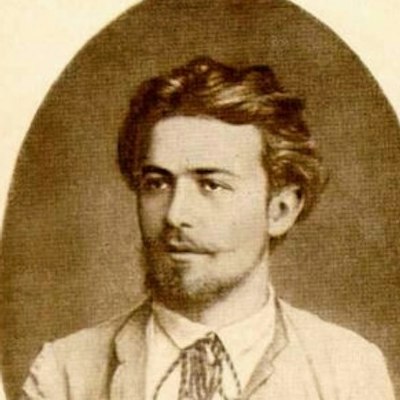
ANTON CHEKHOV (1860–1904) is regarded as one of the world’s masters of the short story. The son of a hapless shopkeeper and grandson of a former serf, Chekhov began at the age of twenty to support his family through the publication of magazine pieces. The writing of these short works—many of which were collected in English for the first time in Seven Stories’ Undiscovered Chekhov and Little Apples—served as the author’s apprenticeship in literature, which was undertaken simultaneously with his studies to become a doctor. Both of these educations would leave their mark on the rising author. By the 1890s Chekhov had moved on to weightier journals, and he had drifted away from the practice of medicine; but his work would always be characterized by the copywriter’s vividness and the sober exactitude of a scientist. In an age of literary aristocrats, Chekhov did as much as any modern writer to democratize the profession. He used his talent to examine the lives of street urchins, déclassé provincials and frustrated reformers. By the time of his death from tuberculosis in 1904, all Russia and much of the world had taken heed of his credo: “For chemists there is nothing unclean on the earth. The writer must be as objective as the chemist.”
Related titles
Our top books, exclusive content and competitions. Straight to your inbox.
Thank you! Please check your inbox and confirm your email address to finish signing up.