> Skip to content
[]
  • Published: 6 November 2012
  • ISBN: 9781612192499
  • Imprint: RH US eBook Adult
  • Format: EBook
  • Pages: 128
Categories:

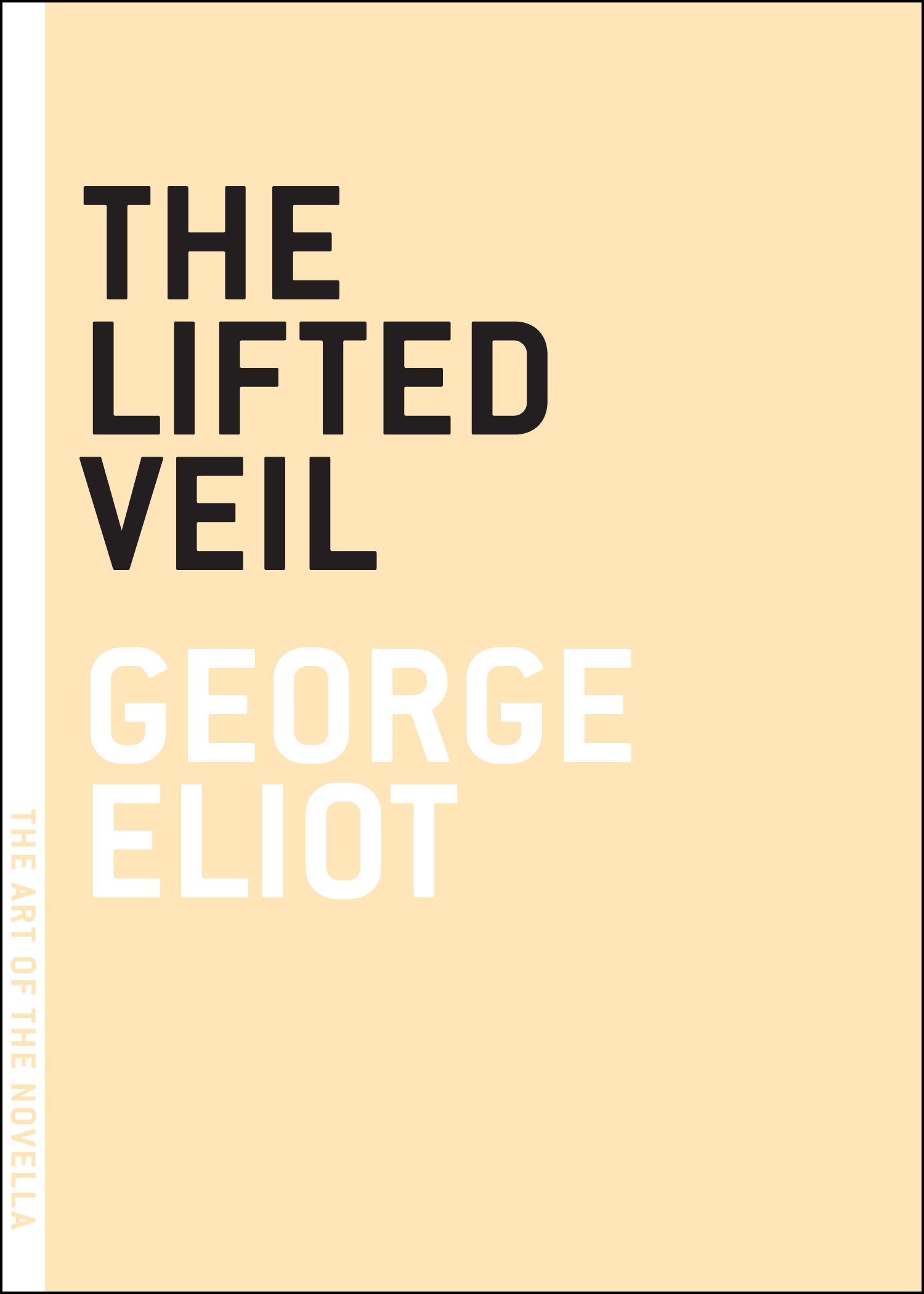
The Lifted Veil


46 new books in the bestselling Little Black Classics series, to celebrate the first ever Penguin Classic in 1946

Horror was my familiar.

Published the same year as her first novel, Adam Bede, this overlooked work displays the gifts for which George Eliot would become famous—gritty realism, psychological insight, and idealistic moralizing. It is unique from all her other writing, however, in that it represents the only time she ever used a first-person narrator, and it is the only time she wrote about the supernatural.

The tale of a man who is incapacitated by visions of the future and the cacophony of overheard thoughts, and yet who can’t help trying to subvert his vividly glimpsed destiny, it is easy to read The Lifted Veil as being autobiographically revealing—of Eliot’s sensitivity to public opinion and her awareness that her days concealed behind a pseudonym were doomed to a tragic unveiling (as indeed came to pass soon after this novella’s publication). But it is easier still to read the story as the exciting and genuine precursor of a moody new form, as well as an absorbing early masterpiece of suspense.

The Art of The Novella Series

Too short to be a novel, too long to be a short story, the novella is generally unrecognized by academics and publishers. Nonetheless, it is a form beloved and practiced by literature's greatest writers. In the Art Of The Novella series, Melville House celebrates this renegade art form and its practitioners with titles that are, in many instances, presented in book form for the first time.
  • Published: 6 November 2012
  • ISBN: 9781612192499
  • Imprint: RH US eBook Adult
  • Format: EBook
  • Pages: 128
Categories:

About the author

George Eliot

Mary Ann (Marian) Evans was born in 1819 in Warwickshire. She attended schools in Nuneaton and Coventry, coming under the influence of evangelical teachers and clergymen. In 1836 her mother died and Marian became her father's housekeeper, educating herself in her spare time. In 1841 she moved to Coventry, and met Charles and Caroline Bray, local progressive intellectuals. Through them she was commissioned to translate Strauss's Life of Jesus and met the radical publisher John Chapman, who, when he purchased the Westminster Review in 1851, made her his managing editor.

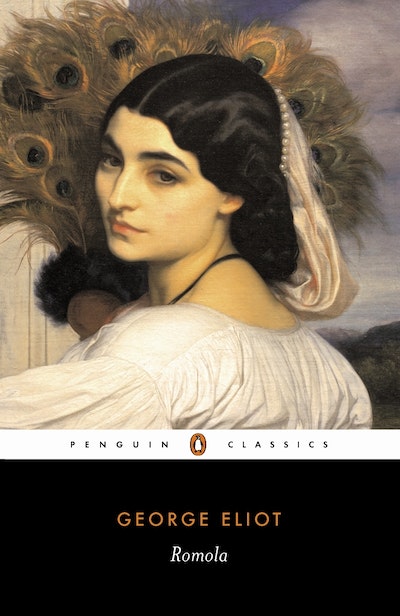
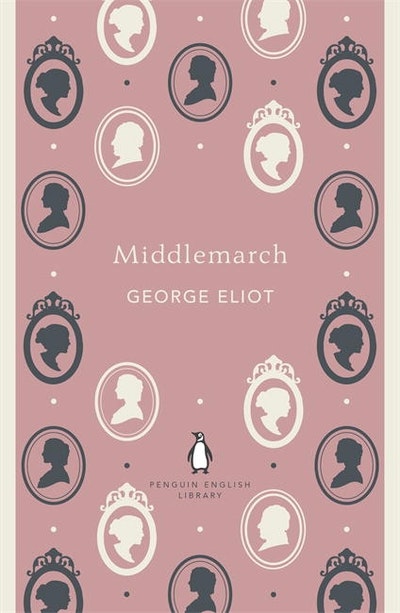
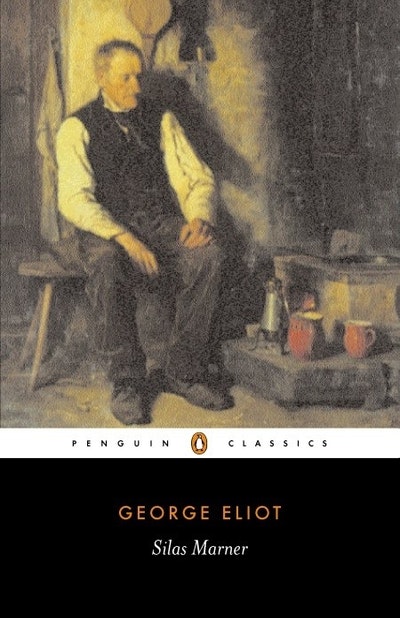
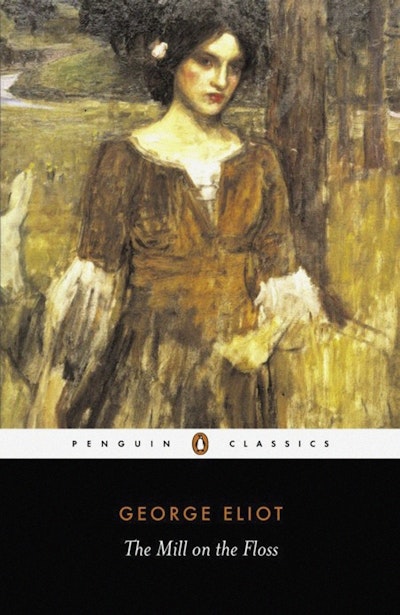
Having lost her Christian faith and thereby alienated her family, she moved to London and met Herbert Spencer (whom she nearly married, only he found her too 'morbidly intellectual') and the versatile man-of-letters George Henry Lewes. Lewes was separated from his wife, but with no possibility of divorce. In 1854 he and Marian decided to live together, and did so until Lewes's death in 1878. It was he who encouraged her to turn from philosophy and journalism to fiction, and during those years, under the name of George Eliot, she wrote Scenes of Clerical Life, Adam Bede, The Mill on the Floss, Silas Marner, Romola, Felix Holt, Middlemarch and Daniel Deronda, as well as numerous essays, articles and reviews.

George Eliot died in 1880, only a few months after marrying J. W. Cross, an old friend and admirer, who became her first biographer. She was buried beside Lewes at Highgate. George Eliot combined a formidable intelligence with imaginative sympathy and acute powers of observation, and became one of the greatest and most influential of English novelists. Her choice of material widened the horizons of the novel and her psychological insights radically influenced the novelist's approach to characterization. Middlemarch, considered by most to be her masterpiece, was said by Virginia Woolf to be 'one of the few English novels written for grown-up people'.

Also by George Eliot

See all