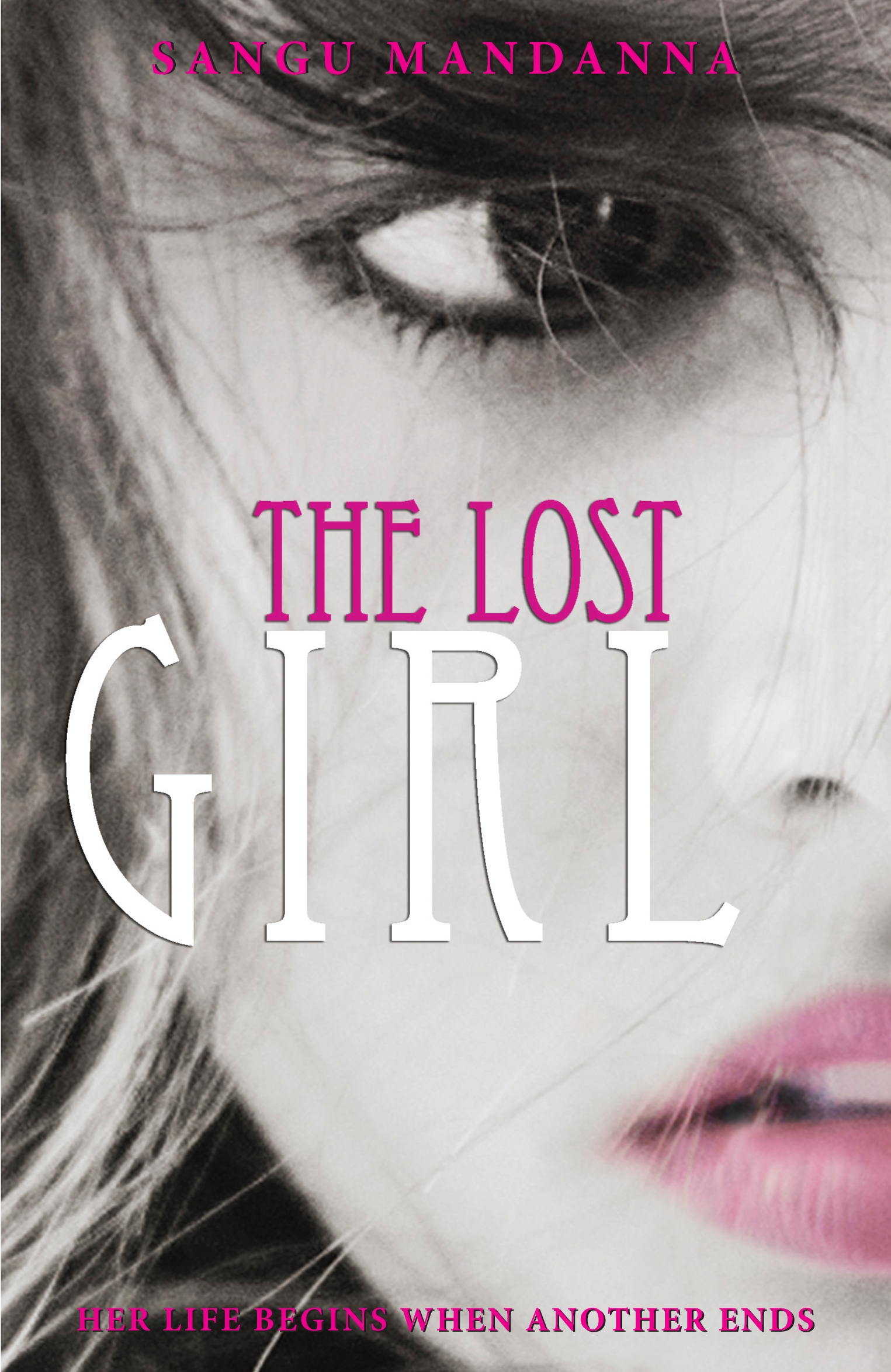
Eva's life is not her own. She is a creation, an abomination – an echo. Made by the Weavers as a copy of someone else, she is expected to replace a girl named Amarra, her 'other', if she ever died. Eva studies what Amarra does, what she eats, what it's like to kiss her boyfriend, Ray. So when Amarra is killed in a car crash, Eva should be ready.
But fifteen years of studying never prepared her for this.
Now she must abandon everything she's ever known – the guardians who raised her, the boy she's forbidden to love – to move to India and convince the world that Amarra is still alive . . .
Richard Aldington (1892-1962) was a founding poet of the Imagist movement and a novelist who conveyed the horror of war through his written works such as Death of a Hero. He was also known for his work as a translator, critic, and biographer. Aldington interrupted his writing career to serve in the British army during World War I.
David Herbert Lawrence (1885-1930) was born into a miner's family in Eastwood, Nottinghamshire, the fourth of five children. He attended Beauvale Board School and Nottingham High School, and trained as an elementary schoolteacher at Nottingham University College. He taught in Croydon from 1908. His first novel, The White Peacock, was published in 1911, just a few weeks after the death of his mother, to whom he had been extraordinarily close. His career as a schoolteacher was ended by serious illness at the end of 1911. In 1912 Lawrence went to Germany with Frieda Weekley, the German wife of the Professor of Modern Languages at University College, Nottingham. They were married on their return to England in 1914. Lawrence had published Sons and Lovers in 1913; but The Rainbow, completed in 1915, was suppressed, and for three years he could not find a publisher for Women in Love, completed in 1917. After the war, Lawrence lived abroad and sought a more fulfilling mode of life than he had so far experienced. With Frieda he lived in Italy, Sri Lanka, Australia, New Mexico and Mexico. They returned to Europe in 1925, settling in Italy again, where he finished Lady Chatterley's Lover. This, his last novel, was published in 1928, but did not appear in its complete form in England and America for thirty years. The tuberculosis which had first been diagnosed in Mexico was becoming increasingly serious by this time, and in a last attempt to find a cure Frieda took him to Germany and then France. He died aged forty-four in Vence, in the south of France. After his death, Frieda wrote that 'What he had seen and felt and known he gave in his writing to his fellow men, the splendour of living, the hope of more and more life ... a heroic and immeasurable gift.' Lawrence's life may have been short, but he lived it intensely. He produced an amazing body of work: novels, stories, poems, plays, essays, travel books, translations, paintings and letters (over five thousand of which survive).
D.H. Lawrence (1885-1930), English novelist, storywriter, critic, poet and painter, one of the greatest figures in 20th-century English literature. Among his works, Sons and Lovers appeared in 1913, The Rainbow (1915), Women In Love (1920), and many others.
Related titles
Our top books, exclusive content and competitions. Straight to your inbox.
Thank you! Please check your inbox and confirm your email address to finish signing up.