> Skip to content
[]
  • Published: 5 December 2006
  • ISBN: 9780451530370
  • Imprint: Signet
  • Format: Paperback
  • Pages: 432
  • RRP: $24.99
Categories:

The Major Plays


The five major plays by the master Russian playwright Anton Chekhov, from The Cherry Orchard to Three Sisters, in one handsome volume.

Anton Chekhov
The Major Plays

Ivanov * The Sea Gull * Uncle Vanya * The Three Sisters * The Cherry Orchard

“Let the things that happen onstage be just as complex and yet just as simple as they are in life,” Chekhov once declared. “For instance, people are having a meal, just having a meal, but at the same time, their happiness is being created, or their lives are being smashed up.” So it is that his plays express life through subtle construction, everyday dialogue, and an electrically charged atmosphere in which even the most casual words and actions assume great importance in his characters’ lives. This principle sets his plays apart from the rest, steering them clear of melodrama, and draws the audience into the lives of Chekhov’s colorful characters. Because of his adherence to realism, the playwright has been called an “incomparable artist of life.”*

“What makes his work great is that it can be felt and understood not only by any Russian but by anybody in the world.”—*Leo Tolstoy

With a Foreword by Robert Brustein and an Afterword by Rosamund Bartlett

  • Published: 5 December 2006
  • ISBN: 9780451530370
  • Imprint: Signet
  • Format: Paperback
  • Pages: 432
  • RRP: $24.99
Categories:

About the author

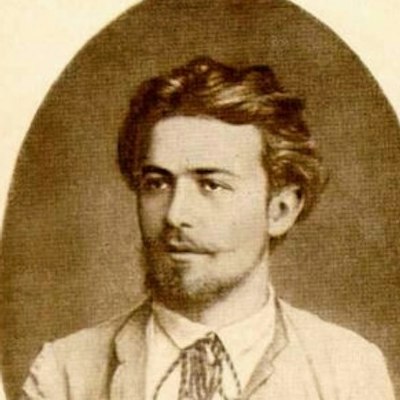
Anton Chekhov

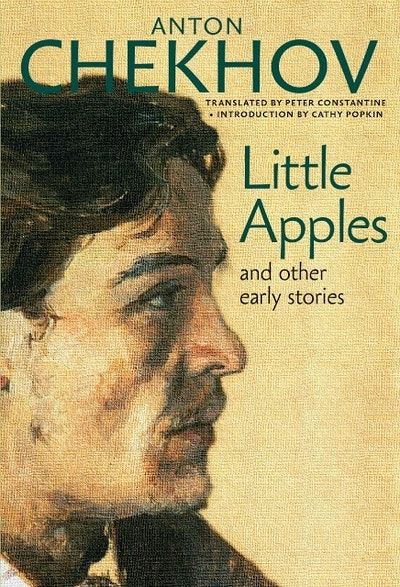
ANTON CHEKHOV (1860–1904) is regarded as one of the world’s masters of the short story. The son of a hapless shopkeeper and grandson of a former serf, Chekhov began at the age of twenty to support his family through the publication of magazine pieces. The writing of these short works—many of which were collected in English for the first time in Seven Stories’ Undiscovered Chekhov and Little Apples—served as the author’s apprenticeship in literature, which was undertaken simultaneously with his studies to become a doctor. Both of these educations would leave their mark on the rising author. By the 1890s Chekhov had moved on to weightier journals, and he had drifted away from the practice of medicine; but his work would always be characterized by the copywriter’s vividness and the sober exactitude of a scientist. In an age of literary aristocrats, Chekhov did as much as any modern writer to democratize the profession. He used his talent to examine the lives of street urchins, déclassé provincials and frustrated reformers. By the time of his death from tuberculosis in 1904, all Russia and much of the world had taken heed of his credo: “For chemists there is nothing unclean on the earth. The writer must be as objective as the chemist.”

Also by Anton Chekhov

See all