> Skip to content
[]
  • Published: 28 July 2015
  • ISBN: 9781590178379
  • Imprint: RH US eBook Adult
  • Format: EBook
  • Pages: 144

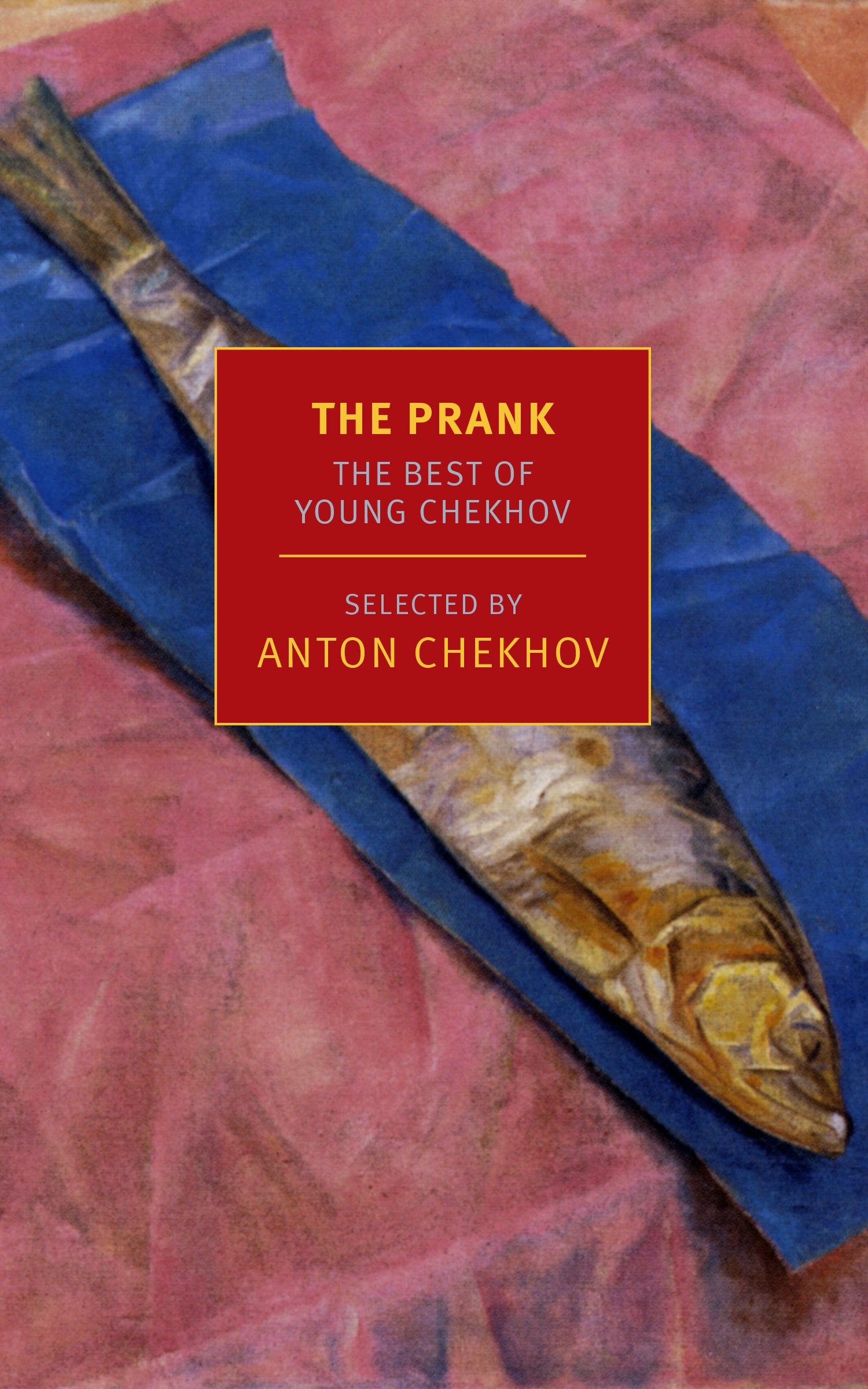
The Prank

The Best of Young Chekhov


Available for the first time in English, this original collection of stories by the great Anton Chekhov, selected and arranged by the author himself, was suppressed by Russian censors when first assembled and never published. A Prank is thus a momentous discovery and a milestone publication for all lovers of literature.

Twelve early comedic short stories by the Russian master of the form.

An NYRB Classics Original

The Prank is Chekhov’s own selection of the best of his early work, the first book he put together and the first book he hoped to publish. Assembled in 1882, with illustrations by Nikolay Chekhov, the book was then presented to the censor for approval—which was denied. Now, more than a hundred and thirty years later, The Prank appears here for the first time in any language.

At the start of his twenties, when he was still in medical school, Anton Chekhov was also busily setting himself up as a prolific and popular writer. Appearing in a wide range of periodicals, his shrewd, stinging, funny stories and sketches turned a mocking eye on the mating rituals and money-grubbing habits of the middle classes, the pretensions of aspiring artists and writers, bureaucratic corruption, drunken clowning, provincial ignorance, petty cruelty—on Russian life, in short. Chekhov was already developing his distinctive ear for spoken language, its opacities and evasions, the clichés we shelter behind and the clichés that betray us. The lively stories in The Prank feature both the themes and the characteristic tone that make Chekhov among the most influential and beloved of modern writers.
  • Published: 28 July 2015
  • ISBN: 9781590178379
  • Imprint: RH US eBook Adult
  • Format: EBook
  • Pages: 144

About the author

Anton Chekhov

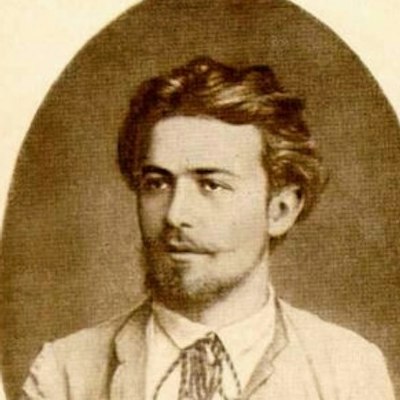
ANTON CHEKHOV (1860–1904) is regarded as one of the world’s masters of the short story. The son of a hapless shopkeeper and grandson of a former serf, Chekhov began at the age of twenty to support his family through the publication of magazine pieces. The writing of these short works—many of which were collected in English for the first time in Seven Stories’ Undiscovered Chekhov and Little Apples—served as the author’s apprenticeship in literature, which was undertaken simultaneously with his studies to become a doctor. Both of these educations would leave their mark on the rising author. By the 1890s Chekhov had moved on to weightier journals, and he had drifted away from the practice of medicine; but his work would always be characterized by the copywriter’s vividness and the sober exactitude of a scientist. In an age of literary aristocrats, Chekhov did as much as any modern writer to democratize the profession. He used his talent to examine the lives of street urchins, déclassé provincials and frustrated reformers. By the time of his death from tuberculosis in 1904, all Russia and much of the world had taken heed of his credo: “For chemists there is nothing unclean on the earth. The writer must be as objective as the chemist.”

Also by Anton Chekhov

See all