> Skip to content
[]
  • Published: 1 November 2000
  • ISBN: 9780679642022
  • Imprint: RH US eBook Adult
  • Format: EBook
  • Pages: 784

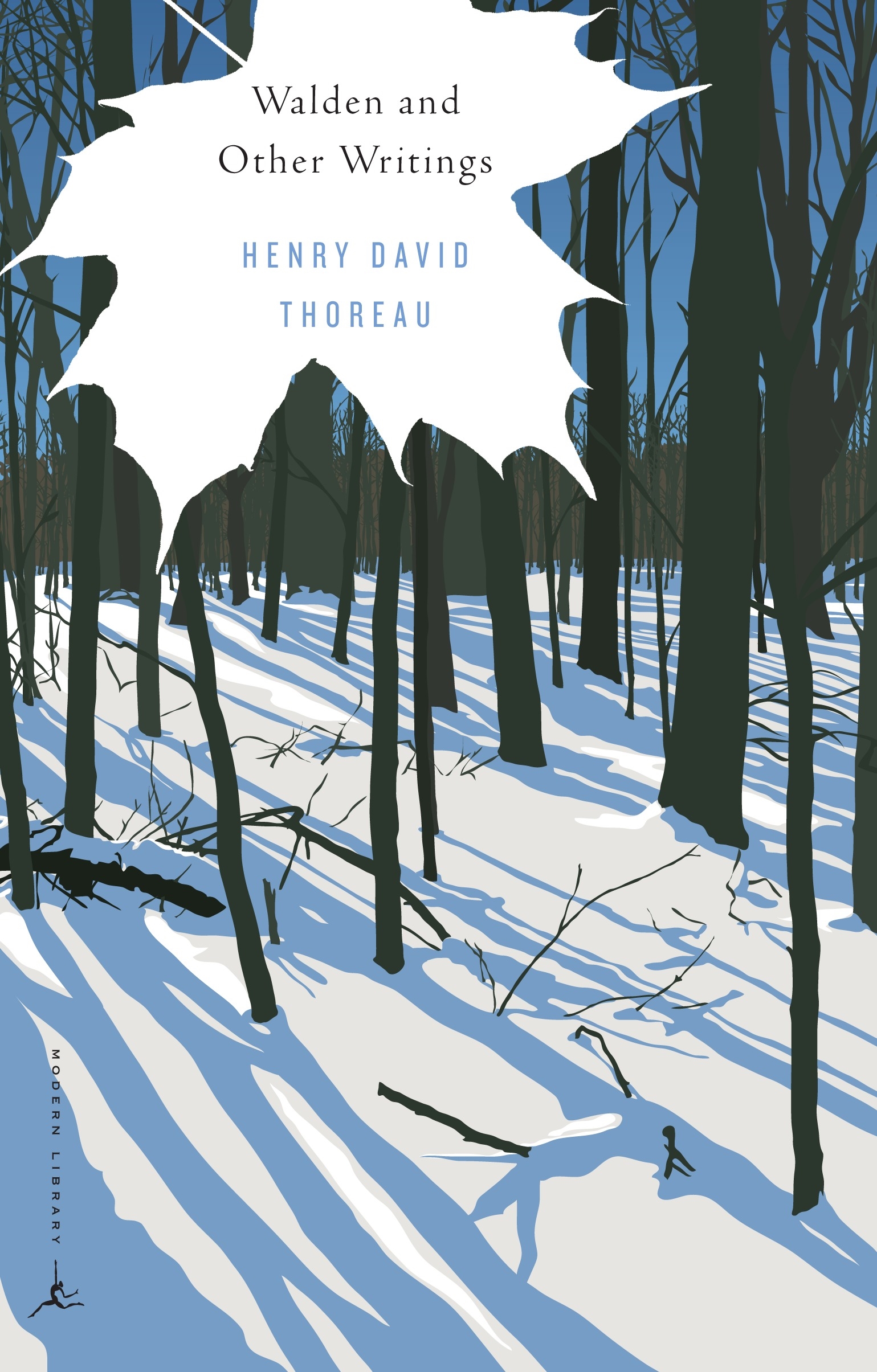
Walden and Other Writings


Henry David Thoreau's vision of personal freedom is indelibly etched on the American consciousness. 'We need the tonic of wildness,' Thoreau wrote in Walden, and by turning his back on town amenities to build a house on Walden Pond in 1845, he helped shape our notions of the individual, subsistence, and a moral relation to nature. Raising white beans and potatoes that he sold to his Concord neighbors, he stayed for two years; his book records both the philosophy he developed while living alone and the facts of his everyday life. Included here with the complete text of Walden are selections from Thoreau's first book, A Week on the Concord and Merrimack Rivers; 'A Plea for Captain John Brown,' his eloquent defense of the American abolitionist's rebellion at Harper's Ferry, and such masterpieces as his famous essay 'Civil Disobedience,' in which he describes a night spent in prison for refusing to pay a poll tax to a government that condoned slavery.
  • Published: 1 November 2000
  • ISBN: 9780679642022
  • Imprint: RH US eBook Adult
  • Format: EBook
  • Pages: 784

About the author

Henry David Thoreau

Henry David Thoreau was born in 1817 in Concord, Massachusetts, the town where he would live for most of his life. Along with Ralph Waldo Emerson, he is the most famous of the American Transcendentalists, a group of philosophical thinkers who frequently explored the relationship between human beings and the natural world. He was educated at Harvard, and over the course of his life took on a number of different occupations, including lead-pencil maker, schoolteacher and surveyor.

Thoreau was outspokenly critical of the American government, fervently opposed to slavery, and an advocate of passive resistance. Whilst Walden (1854) is his best-known work, his 1849 essay ‘Civil Disobedience’ has inspired non-violent political activists the world over, including Mahatma Ghandi and Martin Luther King Jr, and his nature writings are considered ground-breaking works in ecology. He died in his hometown of Concord in 1862.

Also by Henry David Thoreau

See all