> Skip to content
[]
  • Published: 14 November 2013
  • ISBN: 9781448190348
  • Imprint: Vintage Digital
  • Format: EBook
  • Pages: 160

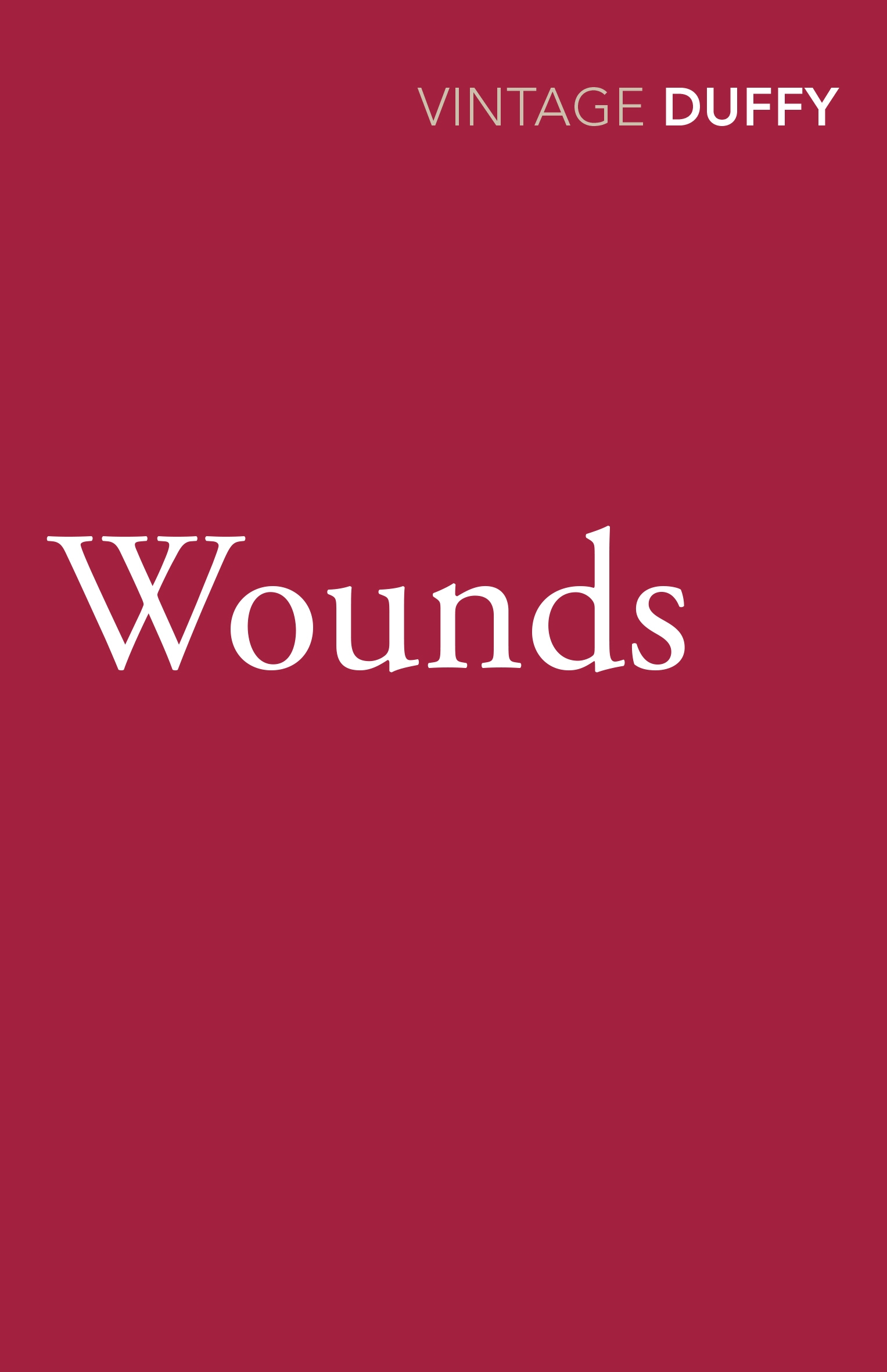
Wounds


Wounds begins with two lovers in bed. Their lovemaking throughout the book forms a recurring lietmotif, a counterpoint to the examination of the spiritual death of the characters.

In a South London environment of pub and fairground, home and work, the wounds of 20th century experience are evoked in prose which is both lyrical and precise. Kingy in her garden, ‘loved by the most handsome women in the world’; Maura the barmaid: ‘I prefer the little, thin men'; Glisten the Mayor: ‘It’ll be take-over time and too late’ — these and the many other characters illustrate the basic theme of the novel.

  • Published: 14 November 2013
  • ISBN: 9781448190348
  • Imprint: Vintage Digital
  • Format: EBook
  • Pages: 160

About the author

Maureen Duffy

Maureen Duffy was an English poet, playwright, novelist and non-fiction author who published over 60 works. Long an activist covering such issues as gay rights and animal rights, she campaigned especially on behalf of authors. She was a fellow of the Royal Society of Literature and of King’s College London, a Vice President of the Royal Society of Literature, and held honorary DLitts from the universities of Loughborough and Kent.

Also by Maureen Duffy

See all

Praise for Wounds

A delightful and illuminating book.

John Whitley, Sunday Times

Maureen Duffy is one of Britain's foremost writers.

The Guardian

With Wounds [Maureen Duffy] injects into her writing a bitter and convincing compassion. The book is a macroscopic view of south London people, ordinary working class lives which come across with a reality so well defined that the act of reading is likely to send the reader into the middle of Clapham Common or Brockwell Park. People die, accept their inadequacies, express their eccentricities. There is dotty Kingy, a 'poor dusthole fairy', who forces the world to fit her own view, and suffers for it; the West Indian mother, whose demotic speech Miss Duffy catches with great skill, and her son, the archetypal misfit who seeks solace from a theatrical queer knowing that in the end he'll never make it.

Barry Cole, Spectator

The relationships form haphazardly, in working hours: at Maura's pub, mostly, or on the paper round. Only the reader is priveliged to see the jigsaw fit together, deepening their mutual understanding. And the prose matches this, choosing similes that are both powerful and apt, making the whole narrative colourful and poetic. It is a delightful and illuminating book.

John Whitley, Sunday Times