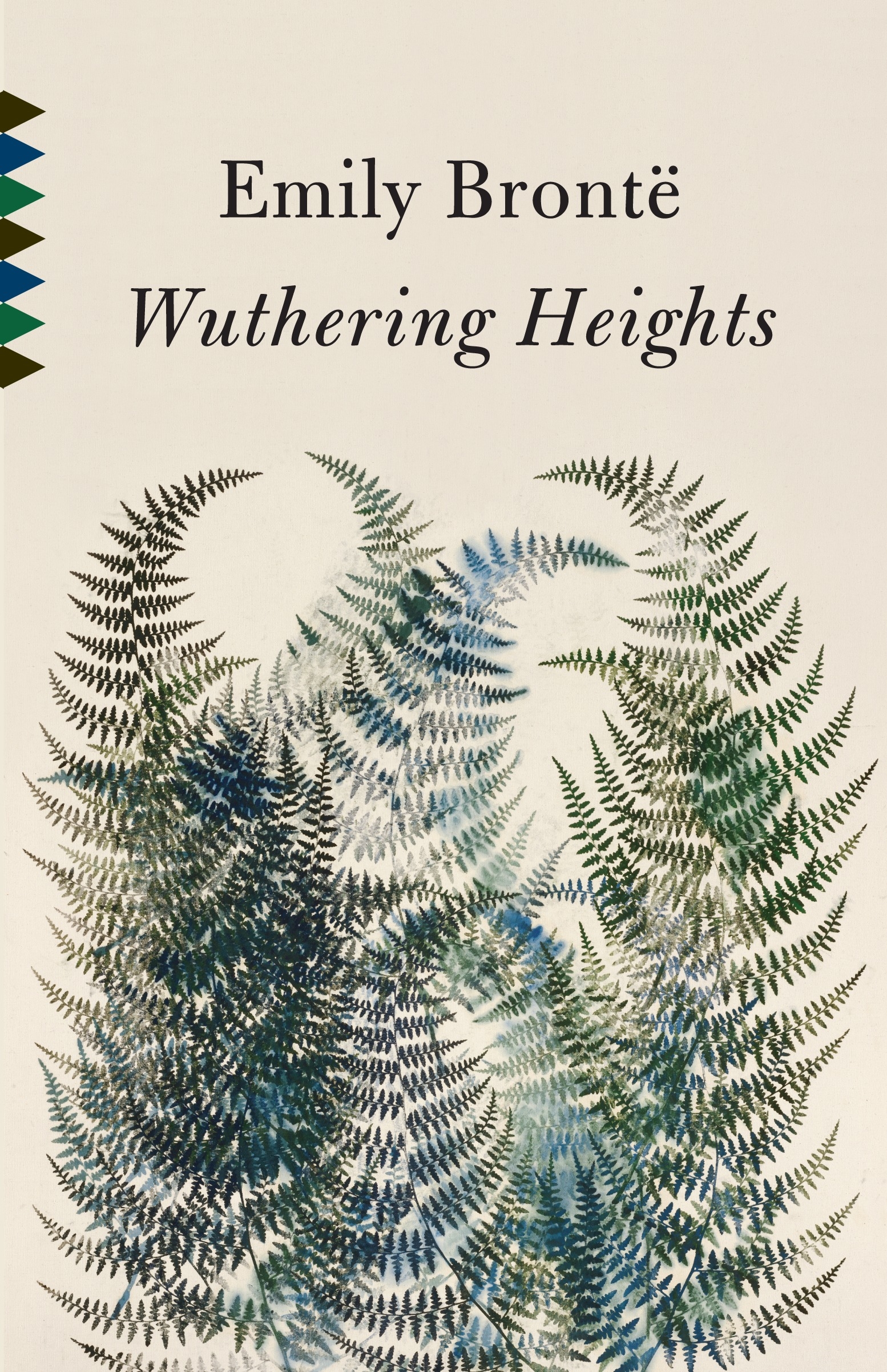
'May you not rest, as long as I am living. You said I killed you - haunt me, then' Emily Brontë, Wuthering Heights
Perhaps the most haunting and tormented love story ever written, Wuthering Heights is the tale of the troubled orphan Heathcliff and his doomed love for Catherine Earnshaw.
Published in 1847, the year before Emily Bronte's death at the age of thirty, Wuthering Heights has proved to be one of the nineteenth century's most popular yet disturbing masterpieces. The windswept moors are the unforgettable setting of this tale of the love between the foundling Heathcliff and his wealthy benefactor's daughter, Catherine. Through Catherine's betrayal of Heathcliff and his bitter vengeance, their mythic passion haunts the next generation even after their deaths. Incorporating elements of many genres—from gothic novels and ghost stories to poetic allegory—and transcending them all, Wuthering Heights is a mystifying and powerful tour de force.
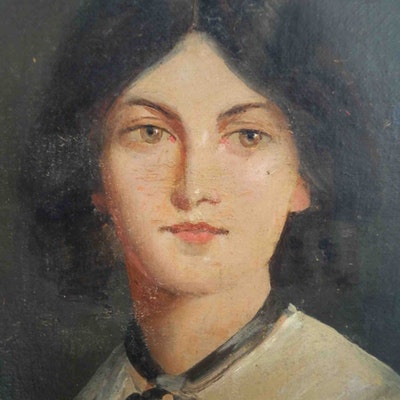
Emily Brontë was born on 30 July 1818. Her father was curate of Haworth, Yorkshire, and her mother died when she was five years old, leaving five daughters and one son. In 1824 Charlotte, Maria, Elizabeth and Emily were sent to Cowan Bridge, a school for clergymen's daughters, where Maria and Elizabeth both caught tuberculosis and died. The children were taught at home from this point on and together they created vivid fantasy worlds which they explored by writing stories. Emily worked briefly as a teacher in 1938 but soon returned home. In 1846, Emily’s poems were published alongside those of her sisters, Charlotte and Anne, in Poems by Currer, Ellis and Acton Bell. The following year Wuthering Heights was published. Emily Brontë died of consumption on 19 December 1848.
Related titles
Our top books, exclusive content and competitions. Straight to your inbox.
Thank you! Please check your inbox and confirm your email address to finish signing up.