Get the lowdown on the world’s most prestigious literary award.
The Man Booker Prize is the world’s most prestigious literary award, with the power to transform the lives of authors. It’s a mark of great distinction for authors to be included for the longlist, let alone the shortlist. Take a look at the incredible authors and novels that populate the list of past winners, and it’s easy to see why any writer would be chuffed to be in the same company.
Originally known as the Booker-McConnell Prize after the company of the same name, the Man Booker Prize was established in 1969. Booker-McConnell’s chairman, Jock Campbell – a lifelong literature fan, and a friend and golfing partner of James Bond creator Ian Fleming – was instrumental in initiating the prize.
The prize is open to all writers in the English language who are published in the UK. This follows a change made in 2013, from the earlier practice of including only British, Irish, and Commonwealth authors published in the UK.
The winner in 2014 was Australian Richard Flanagan for The Narrow Road to the Deep North. Other Australians to have won include Thomas Keneally (Schindler’s Ark, in 1982), and Peter Carey (twice, for True History of the Kelly Gang in 2002 and Oscar and Lucinda in 1988). David Malouf was shortlisted for Remembering Babylon (1993), Tim Winton for The Riders (1995) and Dirt Music (2002), and Kate Grenville for The Secret River (2006).
In 1970, UK author Bernice Rubens became the first woman to win the Booker Prize for The Elected Member. J.M. Coetzee – born in South Africa but an Australian citizen since 2006 – was the first person to win twice, in 1983 and again in 1999, when he described the Booker as ‘the ultimate prize to win in the English speaking world.’ The first woman to win the prize twice was Hilary Mantel (for Wolf Hall in 2009 and Bring Up The Bodies in 2012).
The shortest winning novel in the history of the prize was Offshore by Penelope Fitzgerald, at 132 pages, in 1979. The longest winning novel in the prize’s history was The Luminaries by Eleanor Catton, in 2013, at 832 pages. Catton, only 28 at the time, is also the youngest winner in history.
Since its inception, the split between male and female winners has been even. In the early days, the judges came to their decisions a full month before the announcement was made. Nowadays, the winner is selected on the same day as the winner ceremony.
The Booker Prize initially awarded £5,000 to its winners. The prize doubled in 1978 to £10,000, and today the winner receives £50,000. Each of the shortlisted authors receives £2,500.
Over the years some winners have admitted to what they plan to spend their winnings on. A.S. Byatt famously announced she would use her money to buy a swimming pool for her house in Provence, whilst Ian McEwan commented in 1998 that he would probably spend the money on ‘something perfectly useless.’
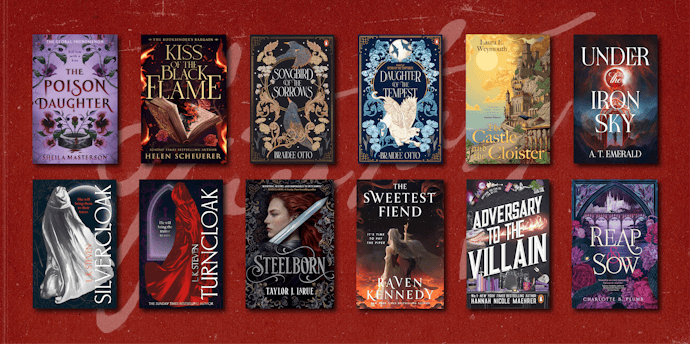
Looking for your next fantasy read? Explore some of our favourite new and upcoming releases...
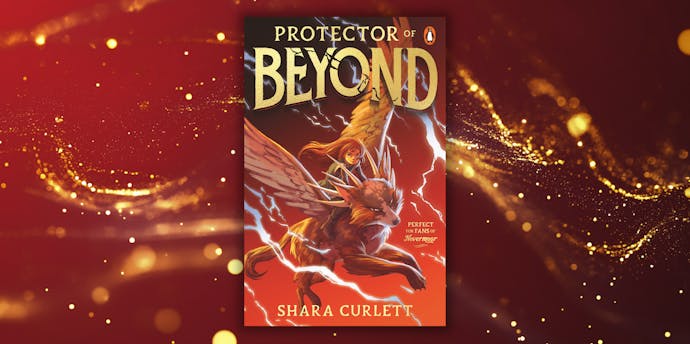
Magical creatures, perilous trials and one unbelievable adventure await in Protector of Beyond, the first book in a gripping new fantasy book series from exciting new voice Shara Curlett.
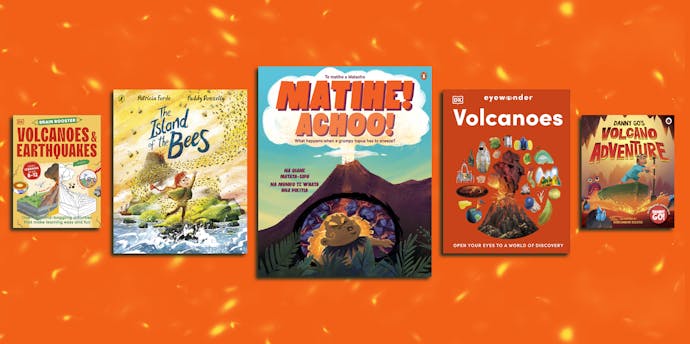
What makes a volcano erupt? How are they formed? And what stories have people told about them?
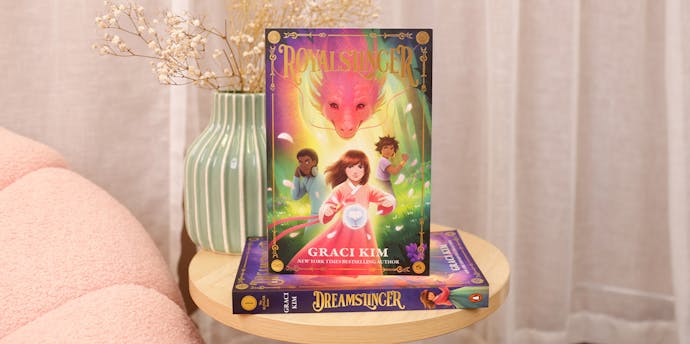
We wanted to know what young Kiwi readers thought about Royalslinger, the fantastical second book in Graci Kim's Slinger series (hint: they loved it!). Read on to see their reviews!
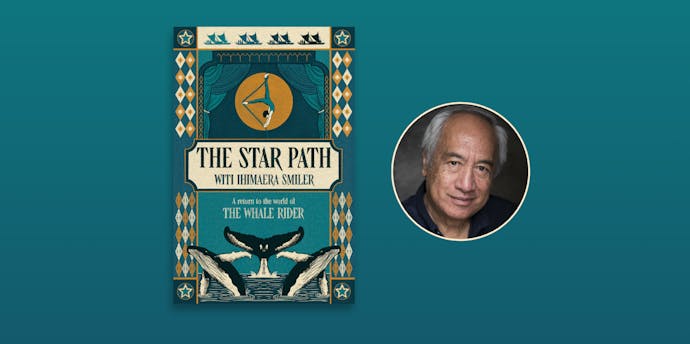
What does The Whale Rider mean to you?
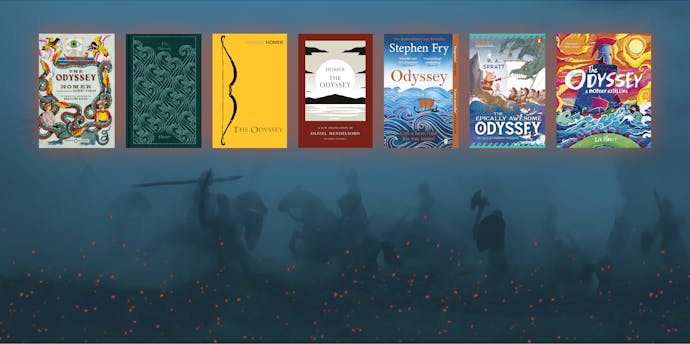
There’s a version of The Odyssey for every reader - read on to find the one for you to read before (or after!) you see the movie in theatres.
Learn more and apply for the Penguin Children’s Bookseller Grant – a $50,000 initiative designed to engage young readers.
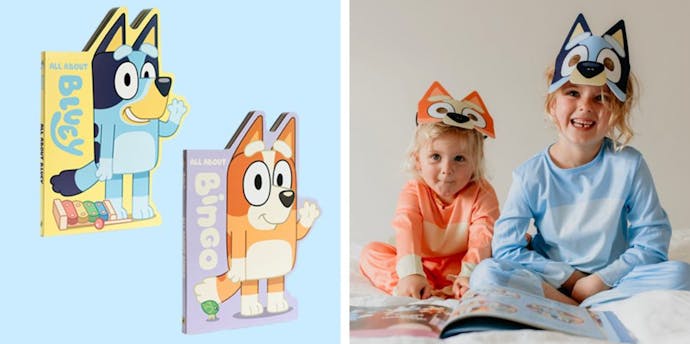
Learn how to make seven Book Week costumes inspired by the Bluey books. Each costume is easy to make and will look great during Book Week!
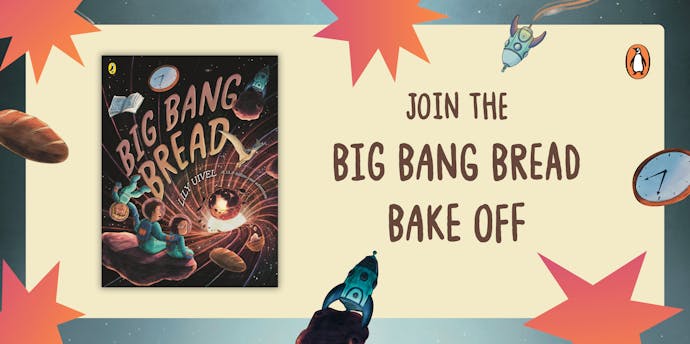
Can you bake a beautiful loaf of bread? We’re on a search to find the best young bread baker!
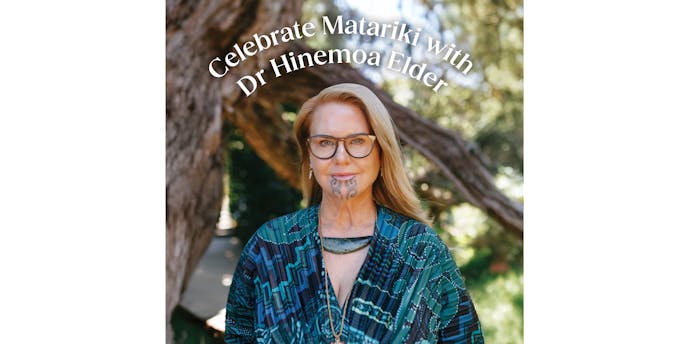
Celebrate Matariki with Dr Hinemoa Elder at events across the South Island, in conversation about her books and the wisdom that inspires them.
Tell us what you love reading so we can personalise the books, recommendations and emails you receive from Penguin.
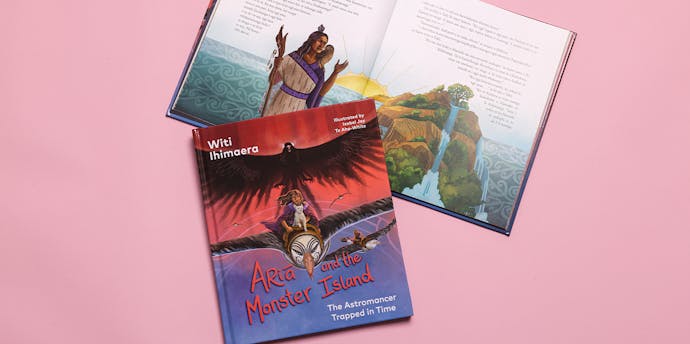
Read the first three chapters of Ariā and the Monster Island!