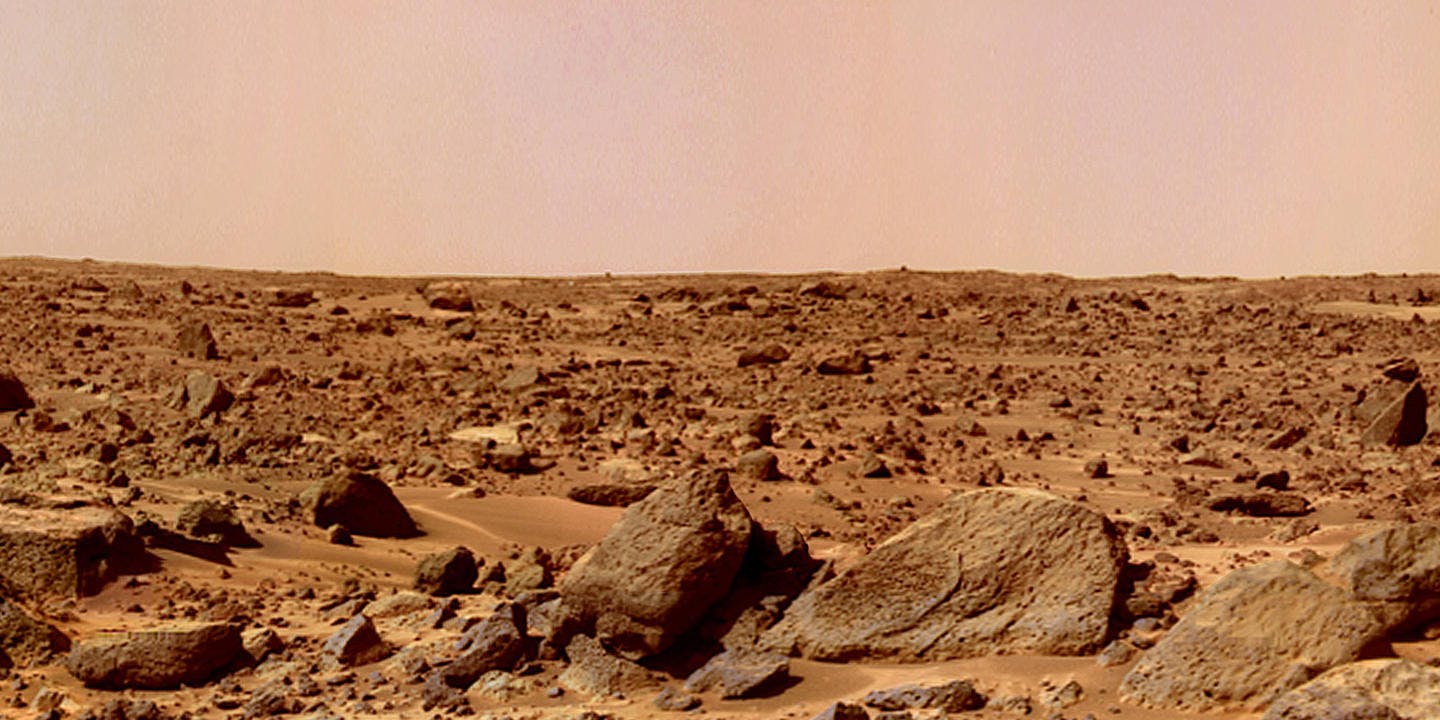
The film adaptation of Andy Weir’s THE MARTIAN has put Mars back on the sci-fi map. Fans rallie
The film adaptation of Andy Weir’s THE MARTIAN has put Mars back on the sci-fi map. Fans rallied behind the book, and later the film adaptation starrin Matt Damon. The book is somewhat unique in the current science fiction landscape dominated by action, war and comic books in that it is knowledge and science that drives the plot – not brawn, not drama – science! It’s refreshing to read a science fiction that is more about science than fiction. But how real is THE MARTIAN?
Running water on Mars
It’s long been known that Mars has polar ice caps, but thanks to an eagle-eyed undergraduate student, Lujenda Ojha, NASA announced the observed seasonal changes in gullies on the Martian landscape appeared to have been caused by water flows in the soil. In September 2015, NASA confirmed that the marks observed were in fact due to salty water flows, known as Recurring Slope Lineae.
Link: https://en.wikipedia.org/wiki/Seasonal_flows_on_warm_Martian_slopes

Mars isn’t red?!
NASA’s Curiosity rover recently discovered that Mars isn’t really red at all. Iron particles in the atmosphere when viewed from earth telescopes clearly show Mars as having a red tint. However were one on the surface, to the human eye it would seem much more like earth than you’d expect with browns and greys on the surface. The sky even has a slight blue tint at sunset!
It’s all Greek to me
The fourth planet in our solar system is named after the Roman god of War, Mars.
Phobos (the Greek god of fear) and Deimos (the Greek god of terror), its two asteroid-like moons named after the two sons of the War god of ancient Greece, Ares – whose Roman name is (you guessed it) Mars!
The astrological and astronomical symbol of Mars is actually a depiction the god’s shield and spear ? and is universally recognised as also the symbol of the male gender or masculinity. This seems to be why Men are from Mars.
You can type the symbol on your keyboard if you’re on a PC by pressing and holding ‘alt’ then typing ‘11’, or using the Apple Character Palette.
You could grow Potatoes on the Martian surface
Stranded Mars explorer, Mark Watney, must devise a way to grow Potatoes – it’s a long story as to why potatoes (you know what? Read the book). Anyways, according to Popular Mechanics’ space crop researcher, Bruce Bugbee, author Andy Weir gets it more or less right. You could in fact grow Potatoes on Mars’ surface soil.
Mars has less gravity than Earth, but enough to allow plants to grow up. Also humans make pretty good fertiliser all on their own, so a combination of human waste mixed with decomposing plant matter would make ideal plant food, just as Wier postulates.
You can read the whole article here: http://www.popularmechanics.com/space/moon-mars/a17470/the-martian-growing-potatoes-mars/
Getting to Mars is going to take a lot longer than we’d like
2001: A Space Odyssey predicted human colonisation of space – but in reality, 2001 has come and gone without so much as a Blue Danube as to the reality of seeing mass travel in Earth’s orbit, let alone getting the hotel based on the Moon.
The reality of space travel is that getting astronauts to Mars would require something not seen since the Space Race of the 1960s. The Apollo program cost upwards of 20 billion US dollars in the 1960s (110 billion in today money). As unlikely as that price tag is today to be spent in the pursuit of science – what drove the Apollo lander missions was the competition – the Soviet Union, the fear of Soviet space domination was the spark that launched the rockets. So, whatever the solution, my preference for manned missions to Mars is the longer-term humanity working together concept as opposed to scary super-power tit for tat.
Read more about Andy Weir >
Read more about THE MARTIAN >
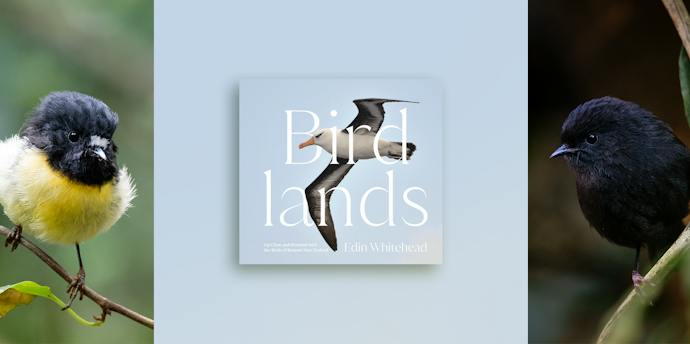
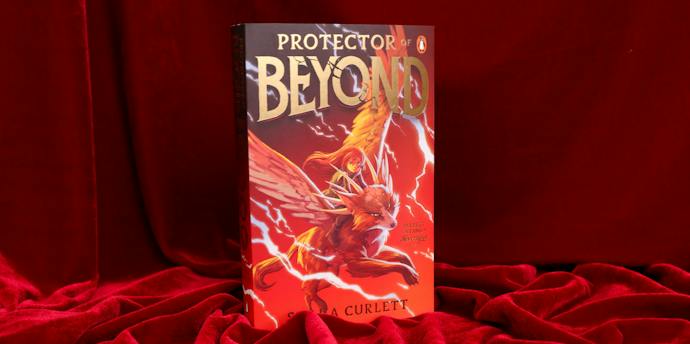
In their own words, read real reviews of Protector of Beyond by Shara Curlett!
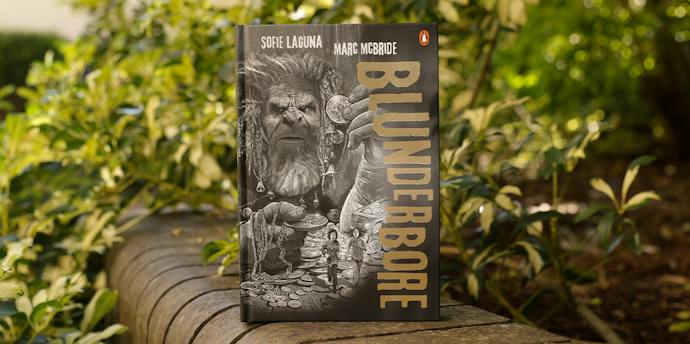
This is Jack and the Beanstalk like you’ve never seen it before! An exciting action-packed graphic adventure story set in the world of Jack in the Beanstalk. From award-winning author Sofie Laguna and monster-illustrator extraordinaire, Marc McBride.
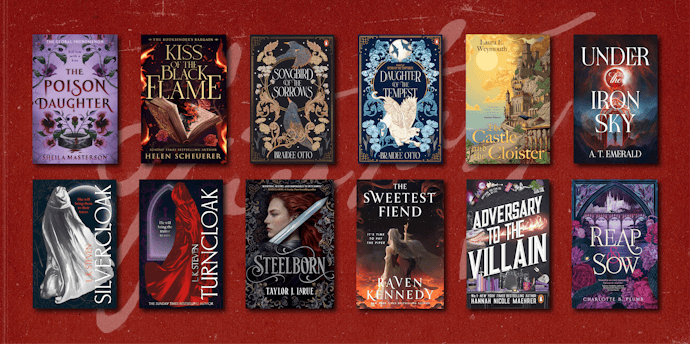
Looking for your next fantasy read? Explore some of our favourite new and upcoming releases...
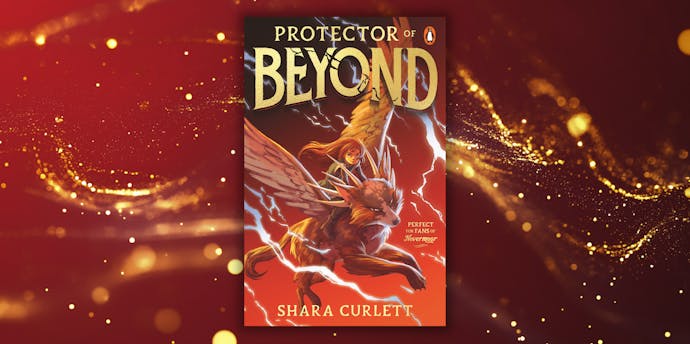
Magical creatures, perilous trials and one unbelievable adventure await in Protector of Beyond, the first book in a gripping new fantasy book series from exciting new voice Shara Curlett.
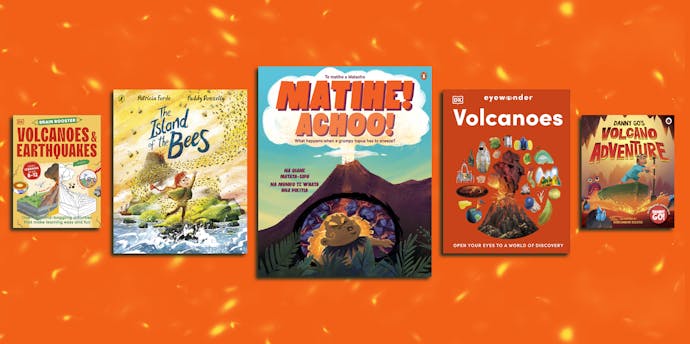
What makes a volcano erupt? How are they formed? And what stories have people told about them?
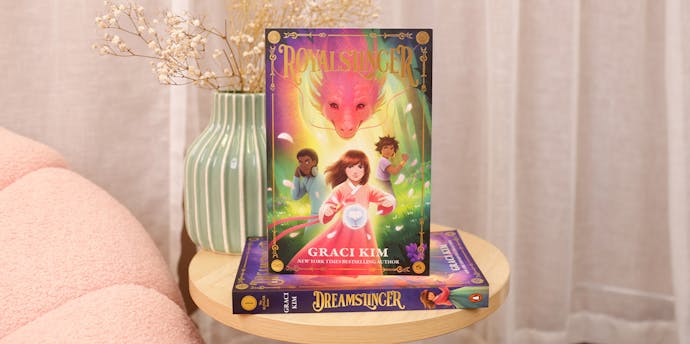
We wanted to know what young Kiwi readers thought about Royalslinger, the fantastical second book in Graci Kim's Slinger series (hint: they loved it!). Read on to see their reviews!
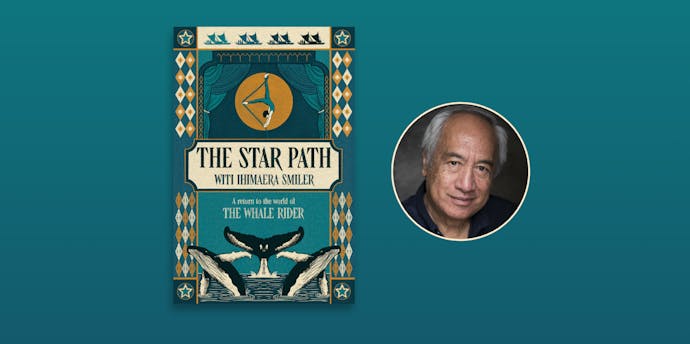
What does The Whale Rider mean to you?
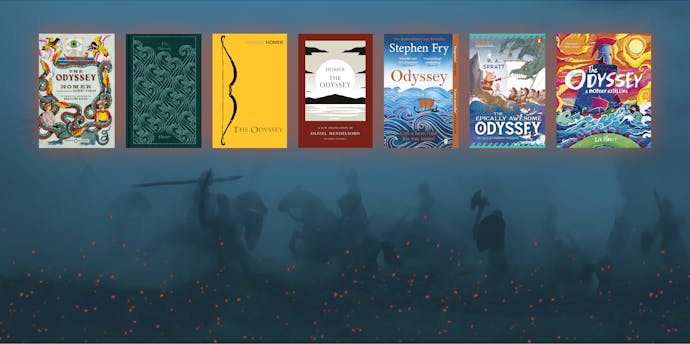
There’s a version of The Odyssey for every reader - read on to find the one for you to read before (or after!) you see the movie in theatres.

Learn more and apply for the Penguin Children’s Bookseller Grant – a $50,000 initiative designed to engage young readers.

Learn how to make seven Book Week costumes inspired by the Bluey books. Each costume is easy to make and will look great during Book Week!
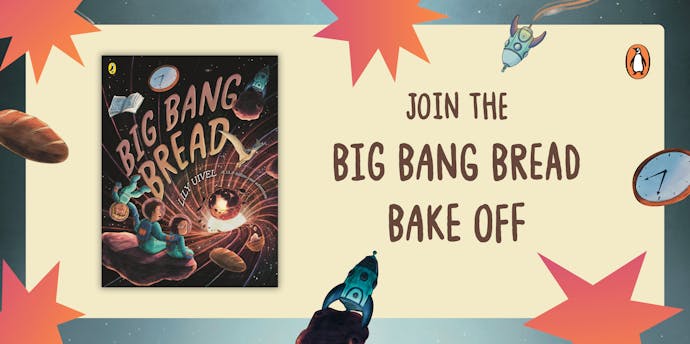
Can you bake a beautiful loaf of bread? We’re on a search to find the best young bread baker!