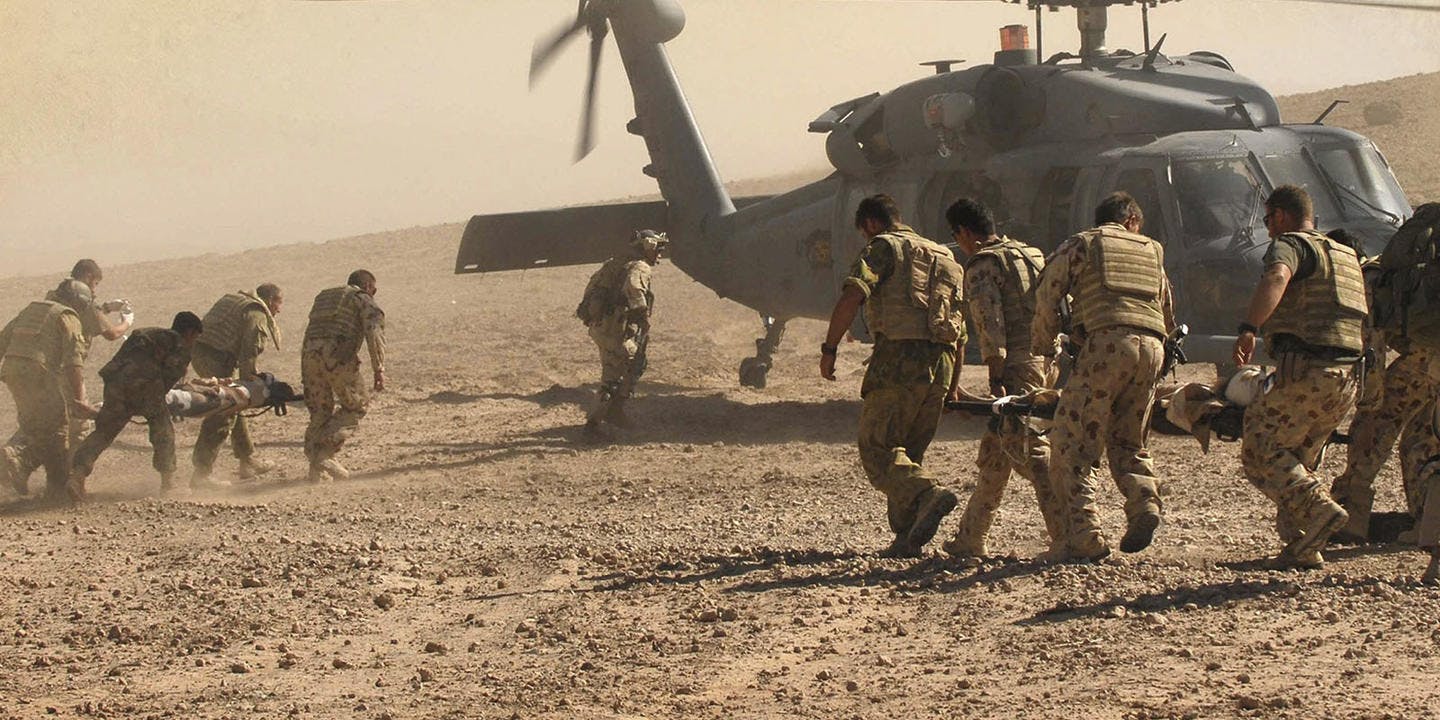
Enter the psyche of Bad Medicine author and SAS medic Terry Ledgard.
For SAS medic Terry Ledgard, to survive wartime Afghanistan, courage under fire was important, but maybe not as important as being to laugh it all off at the end of the day. In Bad Medicine, his no-holds-barred account of his experiences during the war in Afghanistan, Ledgard relates all the intensity, life-and-death situations and adventure you’d expect. But he also offers an honest, harrowing and surprisingly humorous snapshot of living with post-traumatic stress disorder while readjusting to the Real World.
Throughout Bad Medicine, scattered titbits, factoids and details reveal a matchless sense of humour and unique perspective of the world. Straight from the pages of the memoir, here’s a selection of Terry Ledgard’s one-of-a-kind observations.
Originally designed to equip minors with the necessary knowledge and skills to be a functioning member of society, schooling was transformed in the wake of the industrial and commercial revolution of the early 1900s. In the early twenty-first century, the purpose of school is to groom victims for a life of corporate servitude in the Real World while simultaneously crushing creativity and spirit under the guise of education, so that being an obedient little worker drone seems like the only reasonable choice in life.
The sixth sense is portrayed in popular culture as a paranormal phenomenon whereby a person experiences an indescribable sense of foreboding. In reality, the sixth sense is your subconscious mind picking up on subtle cues from sight, hearing, smell and touch; raising a barely perceptible red flag to warn of impending danger. Dismiss this feeling at your peril.
The uniquely Australian thirst for brevity is a time-honoured phenomenon that lies at the very heart of our national heritage. Unlike British rhyming slang, which involves perhaps one or two layers of abstraction, the Australian abbreviated nickname has sheer simplicity and laziness at its core.
The sound of gunfire is featured in popular movies such as Black Hawk Down, We Were Soldiers and Saving Private Ryan. In these films, it’s portrayed as a high-pitched screech, as the bullets ricochet around the actors.
Post-traumatic stress disorder, or PTSD for short, is a psychological condition that occurs after a person is exposed to an experience that they perceive to be abnormally traumatic. PTSD is characterised by severe bouts of depression, anxiety and incredibly vivid recurring dreams or memories of the traumatic experience. It can cause waking and sleeping flashbacks, a relentless sense of being in mortal danger (although no danger is present), insomnia, agoraphobia, and a laundry list of associated physical and psychological problems.
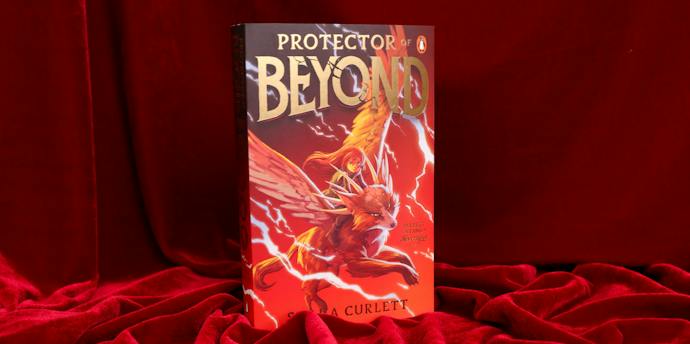
In their own words, read real reviews of Protector of Beyond by Shara Curlett!
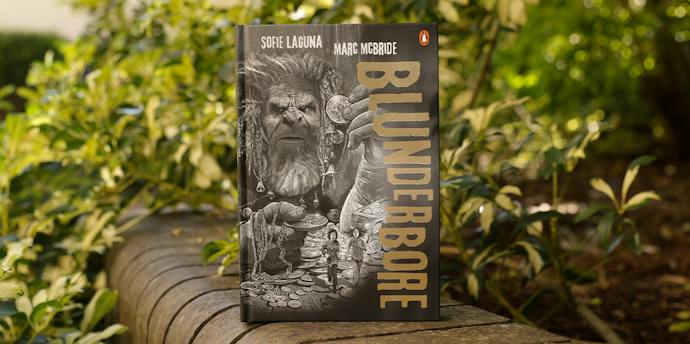
This is Jack and the Beanstalk like you’ve never seen it before! An exciting action-packed graphic adventure story set in the world of Jack in the Beanstalk. From award-winning author Sofie Laguna and monster-illustrator extraordinaire, Marc McBride.
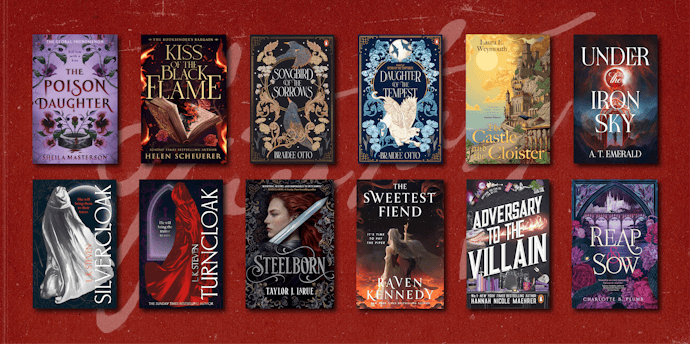
Looking for your next fantasy read? Explore some of our favourite new and upcoming releases...
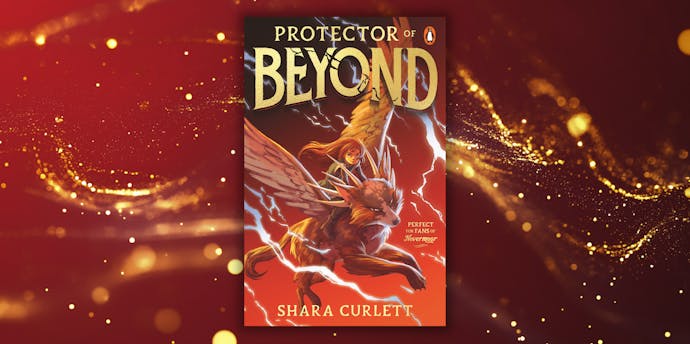
Magical creatures, perilous trials and one unbelievable adventure await in Protector of Beyond, the first book in a gripping new fantasy book series from exciting new voice Shara Curlett.
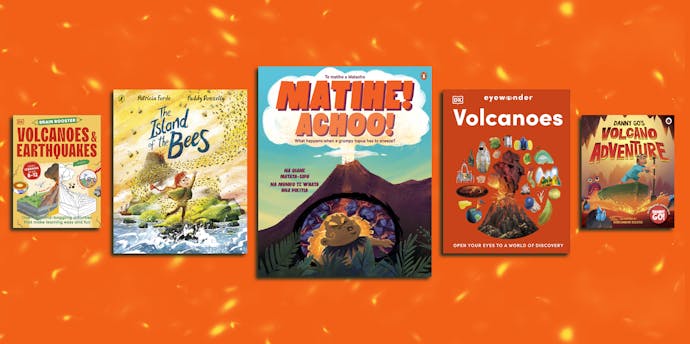
What makes a volcano erupt? How are they formed? And what stories have people told about them?
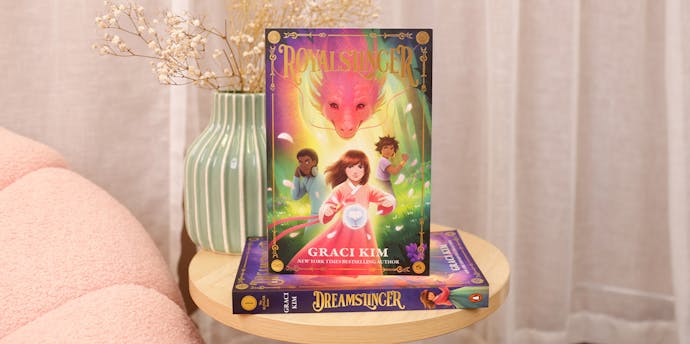
We wanted to know what young Kiwi readers thought about Royalslinger, the fantastical second book in Graci Kim's Slinger series (hint: they loved it!). Read on to see their reviews!
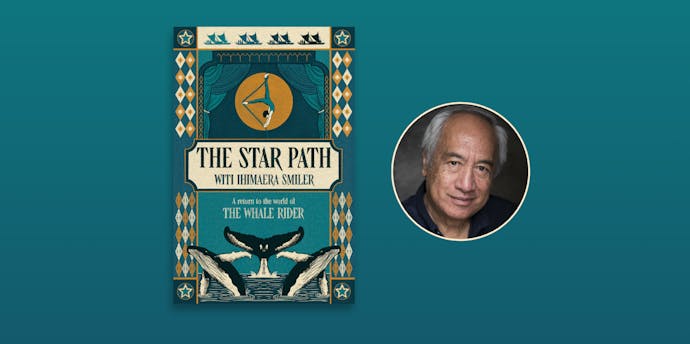
What does The Whale Rider mean to you?
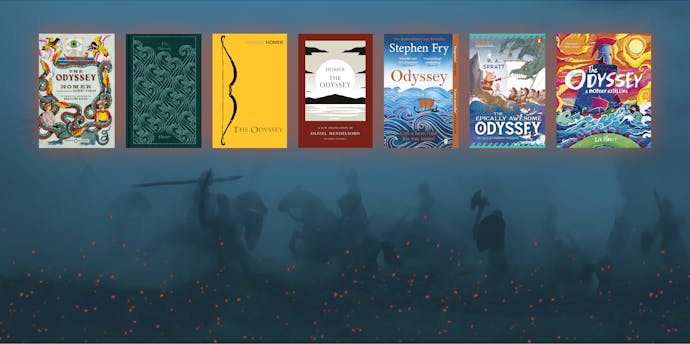
There’s a version of The Odyssey for every reader - read on to find the one for you to read before (or after!) you see the movie in theatres.
Learn more and apply for the Penguin Children’s Bookseller Grant – a $50,000 initiative designed to engage young readers.
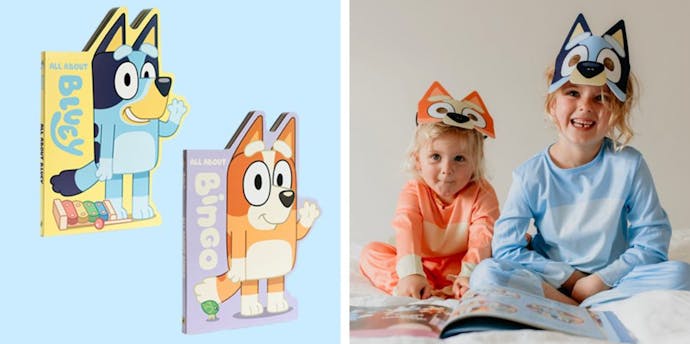
Learn how to make seven Book Week costumes inspired by the Bluey books. Each costume is easy to make and will look great during Book Week!
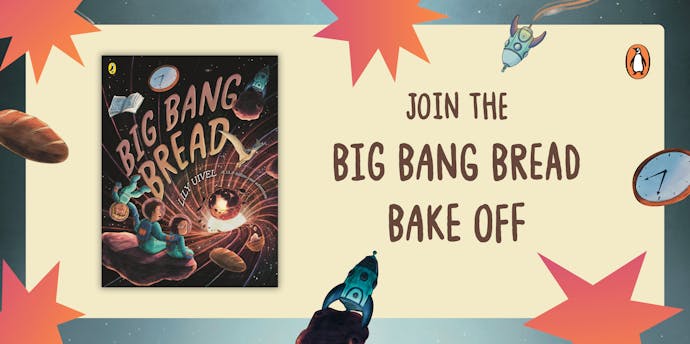
Can you bake a beautiful loaf of bread? We’re on a search to find the best young bread baker!