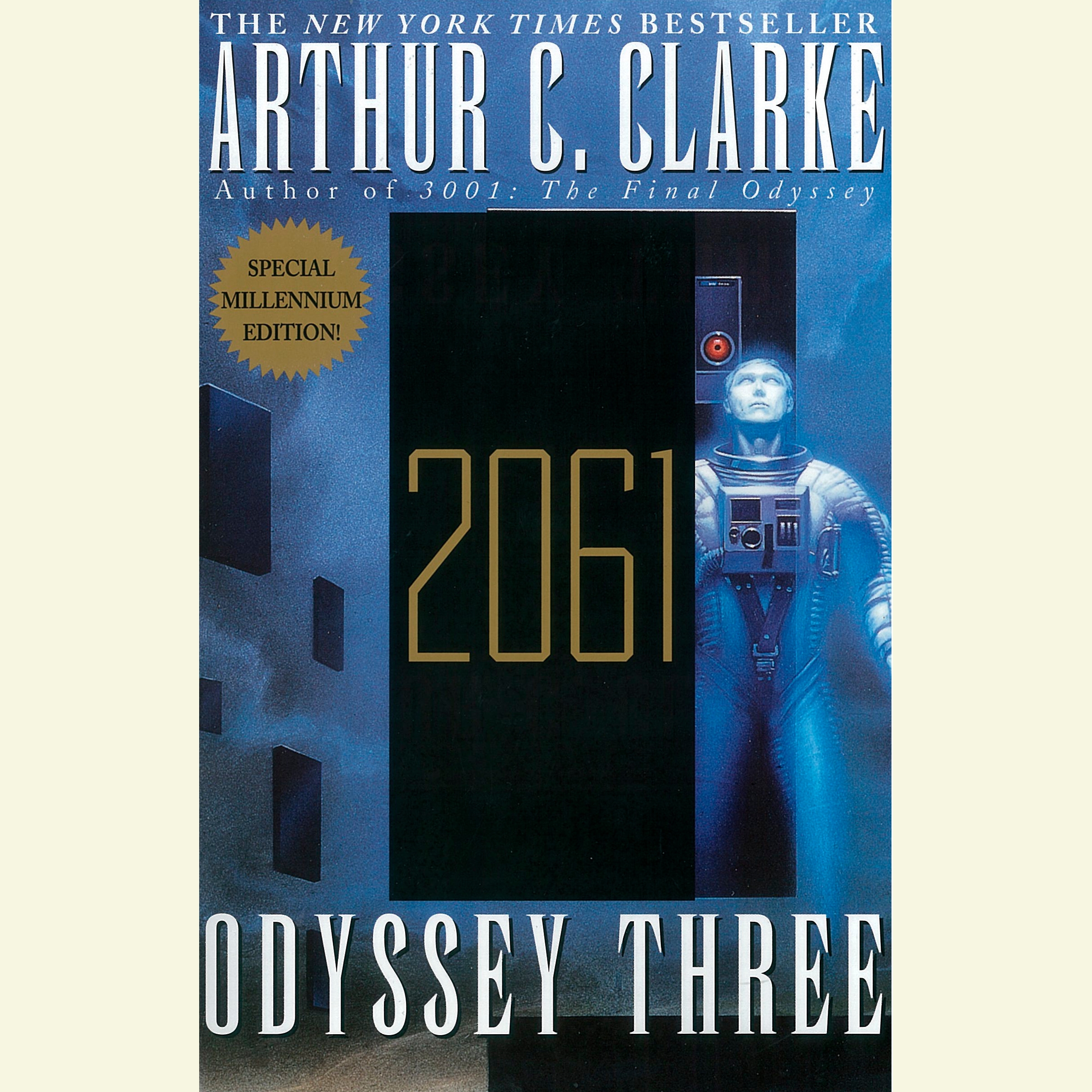
Arthur C. Clarke’s 2061:Odyssey Three is truly a masterful elaboration on one man’s epic vision of the universe.
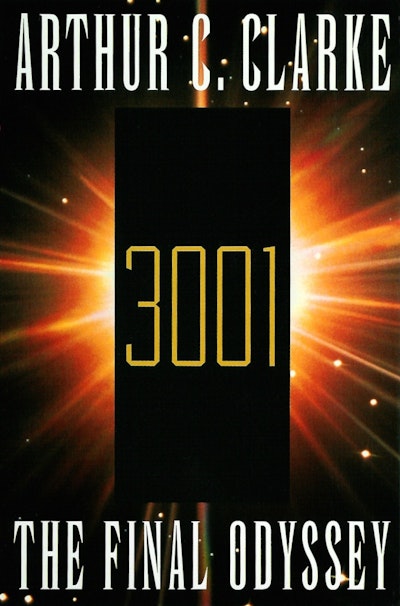
Only rarely does a novelist weave a tapestry so compelling that it captures the imagination of the entire world. But that is precisely what Arthur C. Clarke accomplished with 2001: A Space Odyssey.
It is even more unusual that an author is able to complement so well-received an invention with an equally successful sequel. But Arthur C. Clarke’s 2010: Odyssey Two enthralled a huge audience worldwide.
Now, in 2061: Odyssey Three, Arthur C. Clarke revisits the most famous future ever imagined, as two expeditions into space are inextricably tangled by human necessity and the immutable laws of physics. And Heywood Floyd, survivor of two previous encounters with the mysterious monoliths, must once again confront Dave Bowman—or whatever Bowman has become—a newly independent HAL, and the power of an alien race that has decided Mankind is to play a part in the evolution of the galaxy whether it wishes to or not.
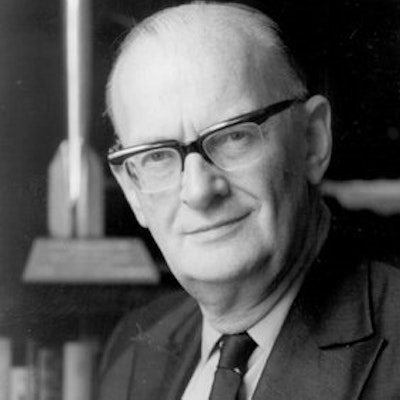
Sir Arthur C. Clarke (1917-2008) wrote a hundred books and more than a thousand short stories and essays covering science fiction and science fact in a career spanning more than six decades. Among his bestselling novels are Childhood’s End, 2001: A Space Odyssey, and Rendezvous with Rama.
In 1945, he proposed global broadcasting via communication satellites in geostationary orbit. One of his short stories inspired the World Wide Web, while another was expanded into 2001: A Space Odyssey, which he cowrote with Stanley Kubrick.
Born in Somerset, England, Clarke was educated at King’s College, London. He worked in the British civil service and the Royal Air Force before turning full-time author in 1950. The recipient of dozens of awards, fellowships, and honorary doctorates, Clarke had both an asteroid and dinosaur species named after him. Queen Elizabeth II gave him a knighthood in 1998.
Clarke lived in Sri Lanka since 1956, engaged in diving, astronomical observations, and underwater tourism.