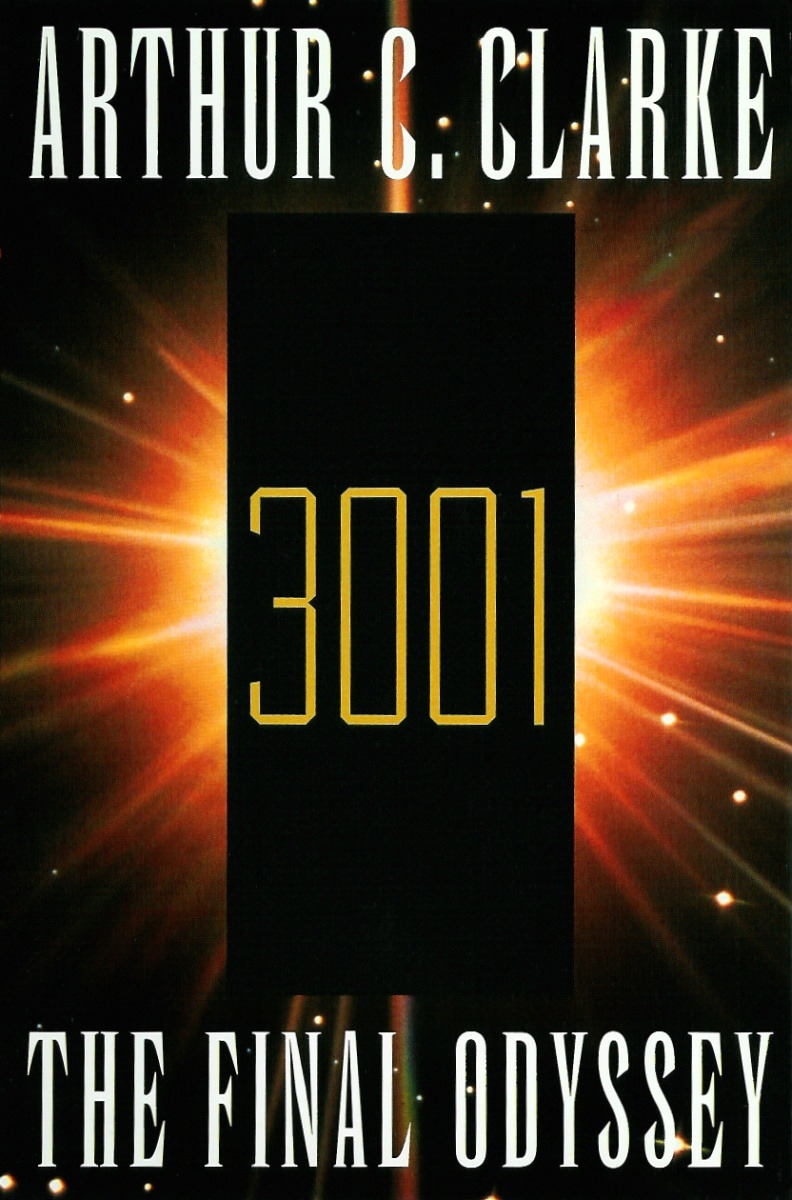
In 3001: The Final Odyssey, Arthur C. Clarke brings the greatest and most successful science fiction series of all time to its magnificent, stunningly unforeseen conclusion. As we hurtle toward the new millennium in real time, Clarke brilliantly, daringly leaps one thousand years into the future to reveal a truth we are only now capable of comprehending. An epic masterpiece at once dazzlingly imaginative and grounded in scientific actuality, 3001 is a story that only Arthur C. Clarke could tell.
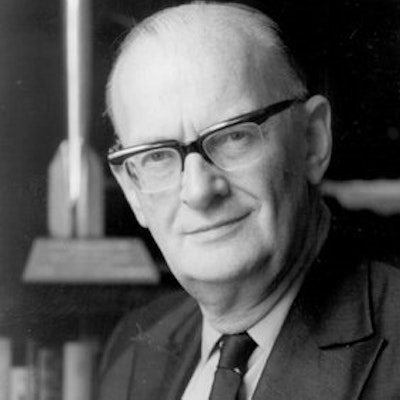
Sir Arthur C. Clarke (1917-2008) wrote a hundred books and more than a thousand short stories and essays covering science fiction and science fact in a career spanning more than six decades. Among his bestselling novels are Childhood’s End, 2001: A Space Odyssey, and Rendezvous with Rama.
In 1945, he proposed global broadcasting via communication satellites in geostationary orbit. One of his short stories inspired the World Wide Web, while another was expanded into 2001: A Space Odyssey, which he cowrote with Stanley Kubrick.
Born in Somerset, England, Clarke was educated at King’s College, London. He worked in the British civil service and the Royal Air Force before turning full-time author in 1950. The recipient of dozens of awards, fellowships, and honorary doctorates, Clarke had both an asteroid and dinosaur species named after him. Queen Elizabeth II gave him a knighthood in 1998.
Clarke lived in Sri Lanka since 1956, engaged in diving, astronomical observations, and underwater tourism.