> Skip to content
[]
  • Published: 5 April 2002
  • ISBN: 9780099441595
  • Imprint: Arrow
  • Format: Paperback
  • Pages: 336
  • RRP: $32.99
Categories:

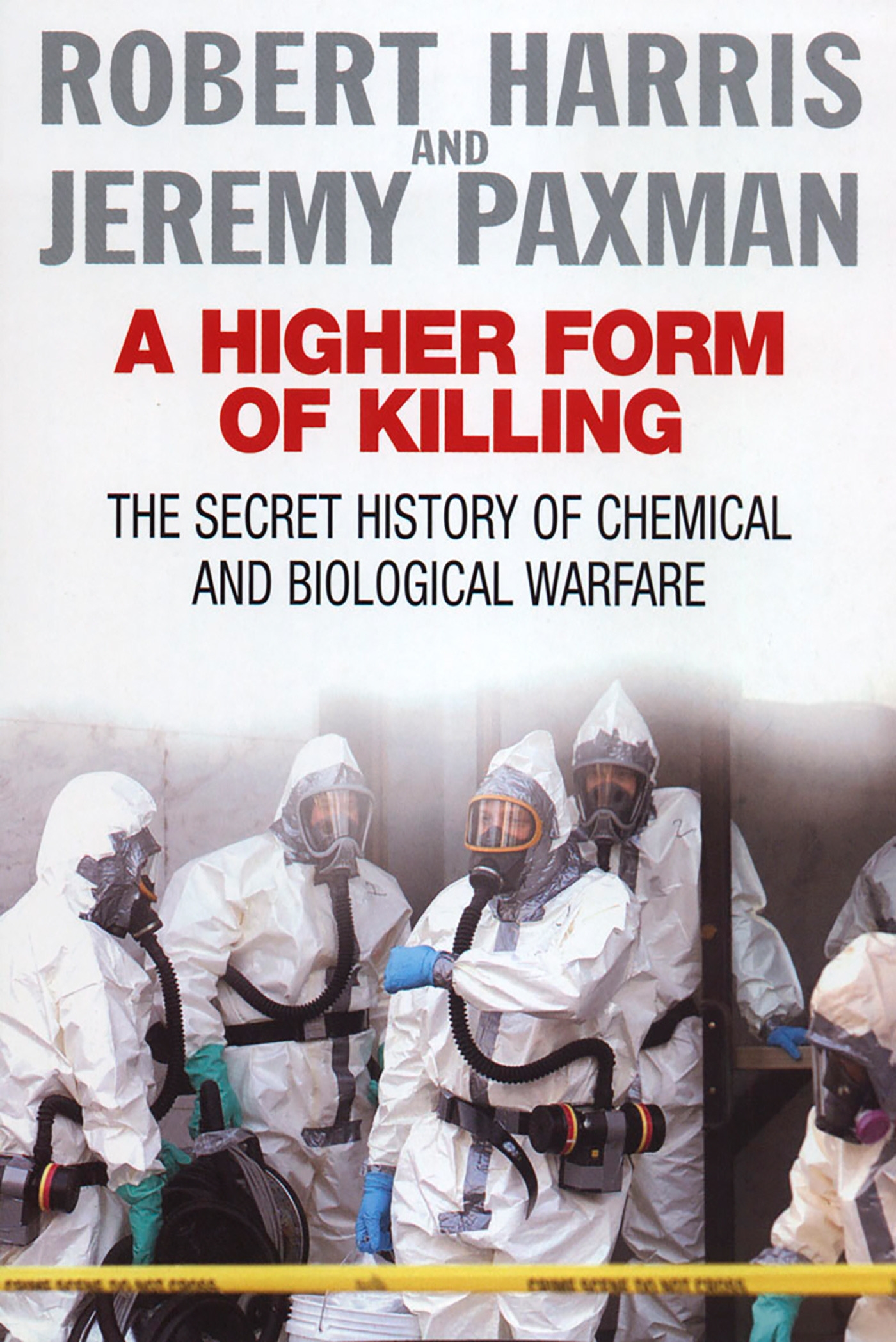
A Higher Form of Killing


The secret story of chemical and biological warfare.

A Higher Form of Killing was first published to great acclaim in 1982. The authors have written a new Introduction and a new Epilogue to take account of the events that have happened since the early 1980s - including the break-up of the former Soviet Union and the black market that appeared in chemical and biological weapons, the acquisition of these weapons by various Third World states, the attempts of various countries like Iraq to build up arsenals of these weapons and, most recently, the use of these weapons in terrorist attacks. As the authors point out, the two generations since the Second World War lived with the threat of nuclear annihilation. Now a new generation must learn to live with weapons that are more insidious and potentially more devastating.

  • Published: 5 April 2002
  • ISBN: 9780099441595
  • Imprint: Arrow
  • Format: Paperback
  • Pages: 336
  • RRP: $32.99
Categories:

About the authors

Robert Harris

ROBERT HARRIS is a long-time music journalist, writer, teacher, and broadcaster. From 2000-2008, he was the host and producer of I Hear Music, a weekly show presented on CBC Radio 2. He is the author of two books, What to Listen for in Mozart, and What to Listen for in Beethoven. He is the classical music critic for The Globe and Mail.

Jeremy Paxman

Jeremy Paxman is the author of the bestselling book THE ENGLISH. He is a regular radio and TV presenter, most notably for Newsnight. Robert Harris and Jeremy Paxman initially worked together on this book when they were both reporters for Panorama.

Praise for A Higher Form of Killing

Compelling... the authors make clear why governments have shrouded such weapon programmes in even more secrecy than their nuclear work.

Financial Times

An absorbing and unsettling history, an exhaustive exploration of a little-known but potentially apocalyptic aspect of warfare, the whole thing carrying the punch of Armageddon. It reminds us that the world could end not with a nuclear bang but in whimpers of fevered agony.

Chicago Sun-Times

The best account of gas and germ warfare available for the lay reader

Washington Post