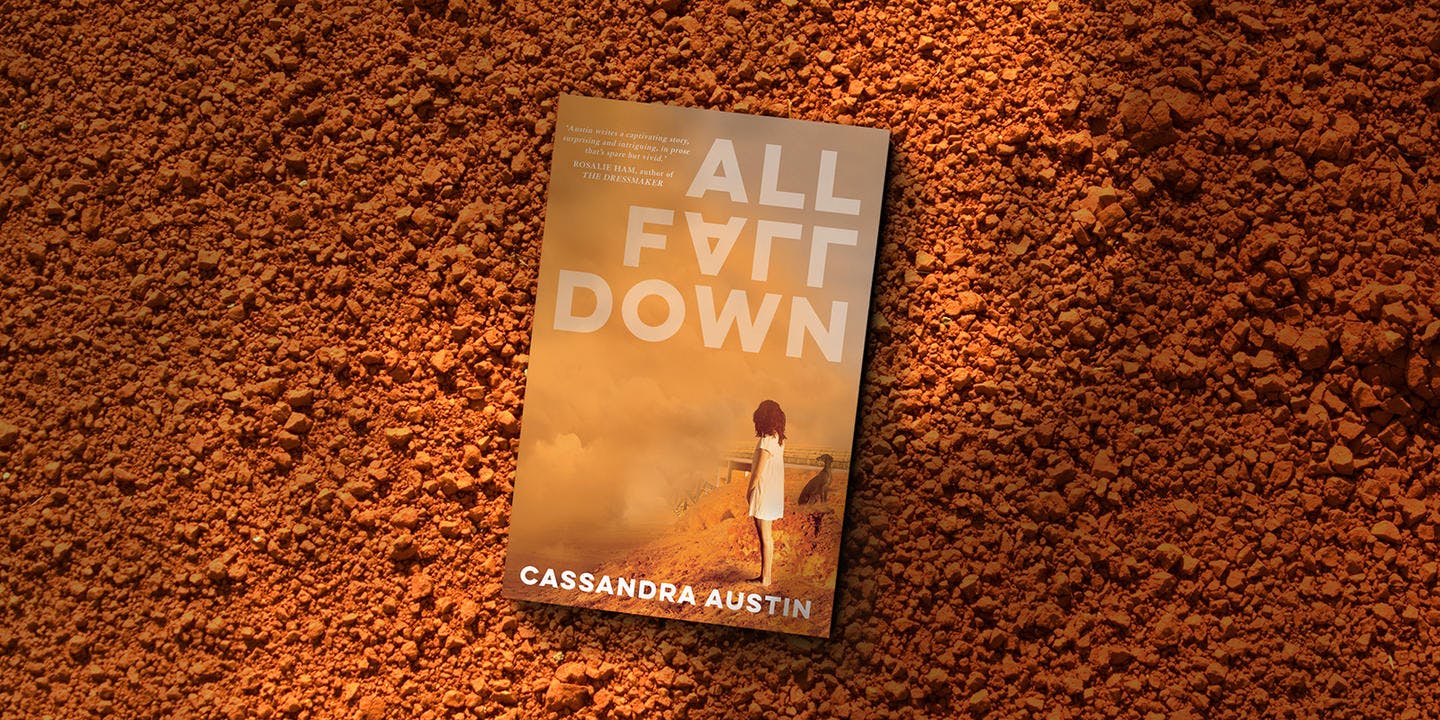
Cassandra Austin kicks up Australian dust in her novel All Fall Down.
My book All Fall Down has been referred to as Australian Gothic. I’m no expert, but for me the ‘gothic’ very simply means stories and art that deals with ‘what haunts us’. So what then makes my work Australian gothic?
My husband and I have an ongoing argument about which of our countries is scarier: Australia or America. I think he is mad, of course. Americans and their guns are far scarier than the blue-ringed octopi or venomous platypi that Australia has to offer. Toddlers killing siblings with guns procured from their mothers’ purses: that is the substance of the American nightmare.
But then my husband goes beyond the shark attacks and the 20 minutes-and-you’re-dead snakebites and argues that it is the very land beneath the feet, this glowering, cracking, twitching land that truly haunts Australians. And I can’t disagree. In our ‘gothic’ literature the bush, the drought, the inhospitable desert, the land itself is the monster.
We can’t admit this, of course. We make fun of tourists who can’t hack the bizarre creatures, or put in the hard yakka of a day’s bush work. We love our sunburnt country. But it doesn’t take much scratching of the surface to see a more ambivalent relationship; it’s just that we’re often in denial about it.
In 1980, despite park ranger testimony to the contrary, we demonised Lindy Chamberlain because we simply couldn’t believe that wild dogs, savage dingoes, could reach into civilisation and rip out an infant. It was literally beyond our comprehension. The evil had to be human; not something else, something more out of our control.
The inability to properly see Australia began with those early landscape painters like Nicholas Chevalier who was so confounded by the messiness and tangle of the bush that he painted in the European flora he already knew. And we’ve not only insisted that we can see what isn’t there, we’ve also insisted that what is not there, is: the myth about a great inland sea was so pervasive it took hold of various convict populations resulting in massive desertion and death, and the upper classes sent more and more disastrous expeditions into the ‘dead heart’ to find it, to no avail.
Around 85% of us live along the coast, our backs to that vast interior, avoiding it, and when we can’t do that we try to control it by giving places and streets Indigenous Australian names that we’ve forgotten the meaning of or don’t understand. Certainly we don’t understand the consciousness behind them. And that barely touches on the great haunting that we repress most of all; our original sin, the dreaded thought that our very (white) presence here is itself some vast crime against those who were here before us.
In All Fall Down, teenaged Rachel has been banished from the city to the tiny mining town of Mululuk, and she finds there what I have found as far away as America – that the red dust of the Outback is not easy to escape or repress. It will:
‘…come with her back to the city; the dust. It will line the streets and clothe the trees, swim in the Yarra river and colour it red; it will be the first thing to greet her each morning and the last thing to put her to bed at night. It will not leave her dreams. It will not leave her.’
And should we immediately reach to defend against this thought by denouncing it as hyperbole, we only need to look to last year when a thunderstorm carrying pollen and dust from the pasturelands swept into Melbourne, hospitalising over 8,500 people and killing eight via asthma attacks.
The dust will come with us. The heaving shadow of this land and all we’ve done to it and to its first inhabitants are our national blindspot. And the way you cope with blindspots is the adroit placement of mirrors.
Our gothic literature then provides us with some of our very best mirrors. From Marcus Clarke’s tortured prisoner to Barbara Baynton’s hardworking but ultimately silenced bushwoman, from Sidney Nolan’s confronting portraits of Ned Kelly to Joan Lindsay’s eerie schoolgirl bewitching, from Kenneth Cook’s wretched school teacher to Thomas Keneally’s vengeful blackfella, from Patrick White’s lost explorer to the dust-destroyed teenager in my own modest contribution, we have plenty of mirrors. And even if they are mostly rear-vision mirrors, giving us only hindsight, at least they all come marked with that same particular warning: objects in the mirror are closer than they appear.
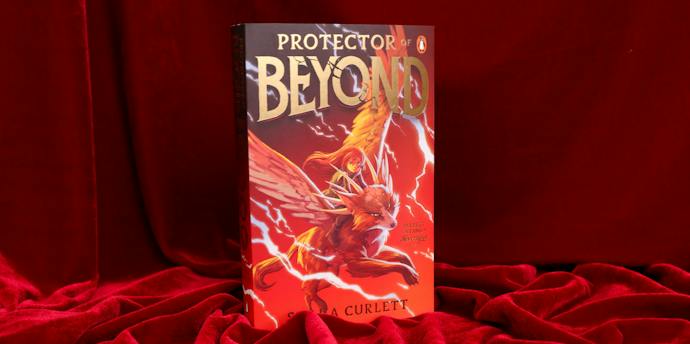
In their own words, read real reviews of Protector of Beyond by Shara Curlett!
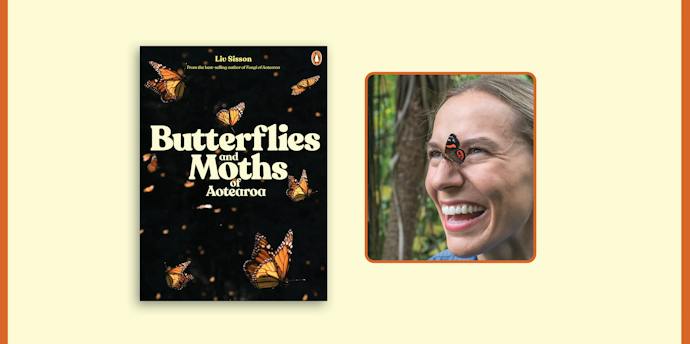
Join author Liv Sisson for a celebration of her beautiful new book, Butterflies & Moths of Aotearoa.
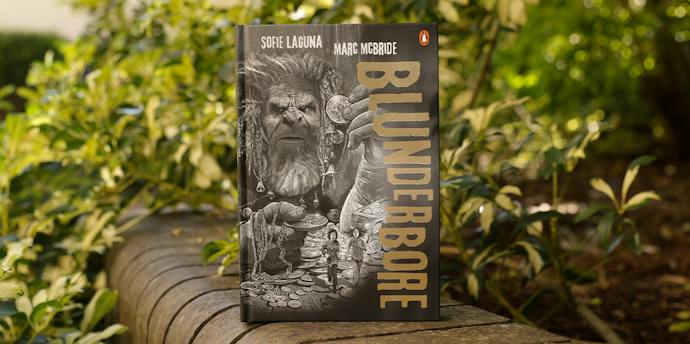
This is Jack and the Beanstalk like you’ve never seen it before! An exciting action-packed graphic adventure story set in the world of Jack in the Beanstalk. From award-winning author Sofie Laguna and monster-illustrator extraordinaire, Marc McBride.
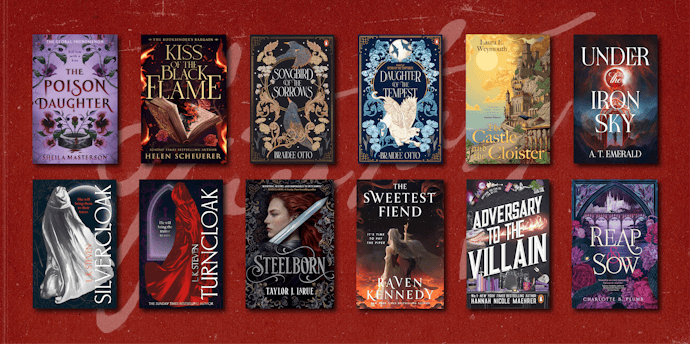
Looking for your next fantasy read? Explore some of our favourite new and upcoming releases...
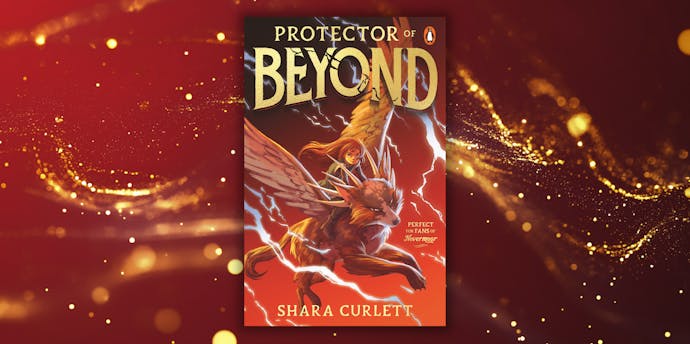
Magical creatures, perilous trials and one unbelievable adventure await in Protector of Beyond, the first book in a gripping new fantasy book series from exciting new voice Shara Curlett.
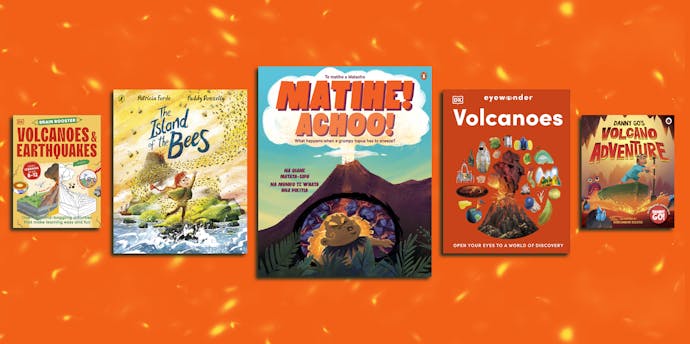
What makes a volcano erupt? How are they formed? And what stories have people told about them?
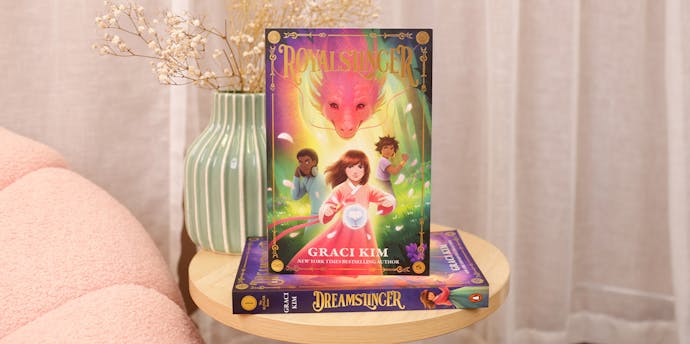
We wanted to know what young Kiwi readers thought about Royalslinger, the fantastical second book in Graci Kim's Slinger series (hint: they loved it!). Read on to see their reviews!
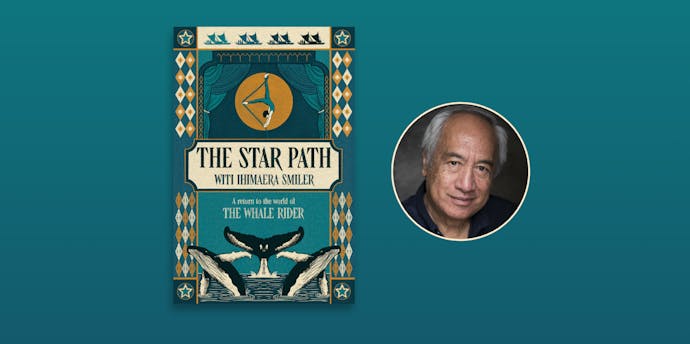
What does The Whale Rider mean to you?
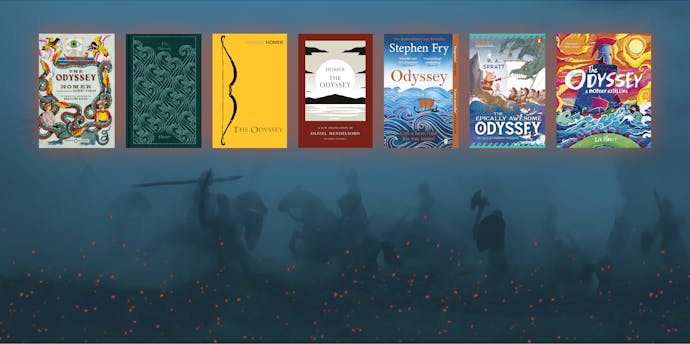
There’s a version of The Odyssey for every reader - read on to find the one for you to read before (or after!) you see the movie in theatres.
Learn more and apply for the Penguin Children’s Bookseller Grant – a $50,000 initiative designed to engage young readers.
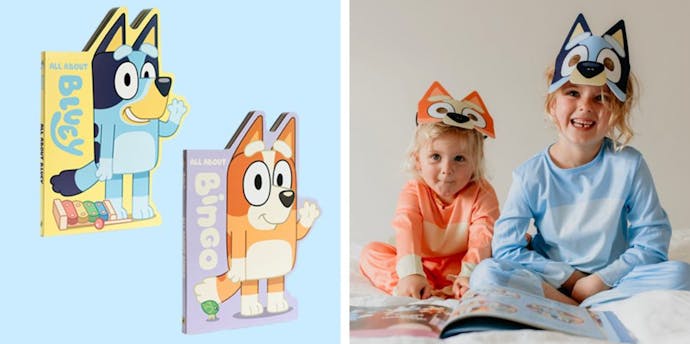
Learn how to make seven Book Week costumes inspired by the Bluey books. Each costume is easy to make and will look great during Book Week!