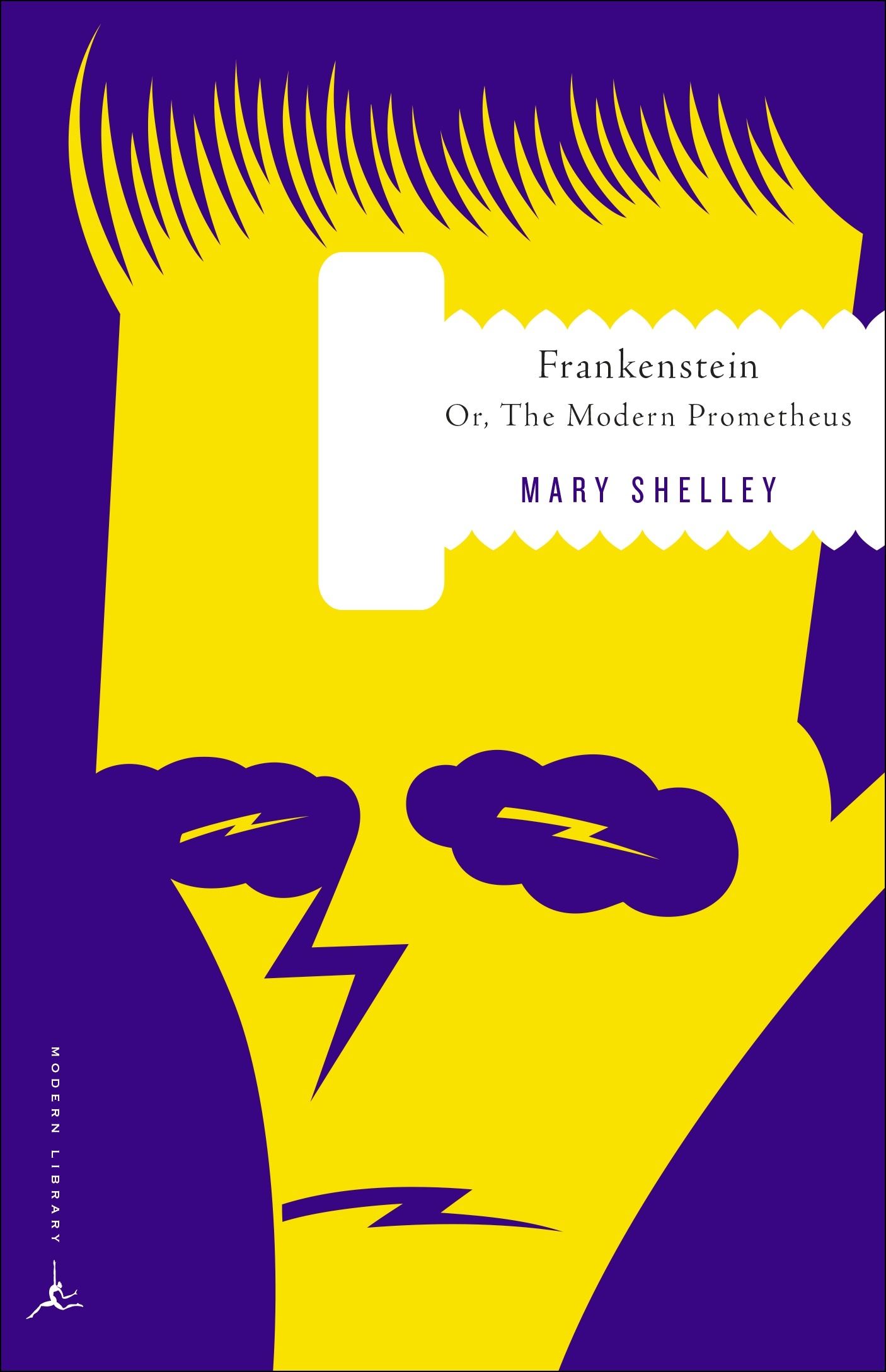
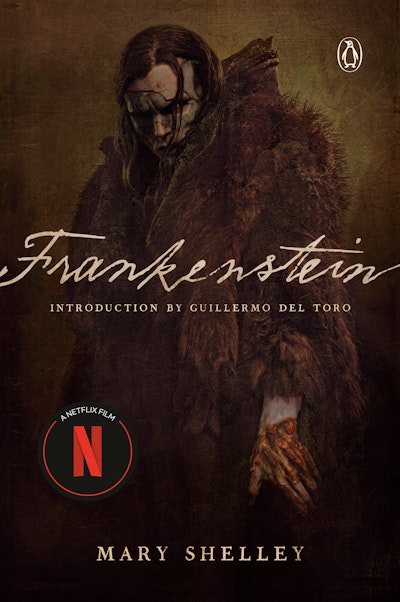
The world's most famous work of horror fiction reissued in ORIGINALS - Penguin's iconic teen fiction series
Introduction by Wendy Steiner • Nominated as one of America’s best-loved novels by PBS’s The Great American Read
At the age of eighteen, Mary Shelley, while staying in the Swiss Alps with her lover Percy Shelley, Lord Byron, and others, conceived the tale of Dr. Victor Frankenstein and the monster he brings to life. The resulting book, Frankenstein; or, The Modern Prometheus, is a dark parable warning against the risks of scientific and creative endeavor, the corrupting influence of technology and progress, and the dangers of knowledge without understanding. Frankenstein was an instant bestseller on publication in 1818 and has long been regarded as a masterpiece of suspense, a classic of nineteenth-century Romanticism and Gothic horror, and the prototype of the science fiction novel. Though it has spawned countless imitations and adaptations, it remains the most powerful story of its kind.
Mary Shelley was born in London in 1797, the daughter of two of the era’s most radical writers: William Godwin, the anarchist utopian, and feminist Mary Wollstonecraft, who died from the childbirth. After a difficult childhood under a demanding stepmother, she ran off to the Continent at age 17 with her father’s wealthy—and married—benefactor, the poet Percy Bysshe Shelley, although they did not get married until the suicide of Shelley’s wife two years later. Despite close intellectual bonds the marriage was unhappy, due to Percy Shelley’s regular campaigning for open “utopian” sexual relationships (with her sister, for one), and the deaths of three out of their four children. In 1817, while visiting Lord Byron at Lake Geneva, the three challenged one another to write a horror story. The result from Mary was the novel Frankenstein, an instant popular (although not critical) success. Four years later her peripatetic husband drowned in a boating accident. Mary Shelley never remarried, but she continued on as a successful writer until her death in London in 1851.