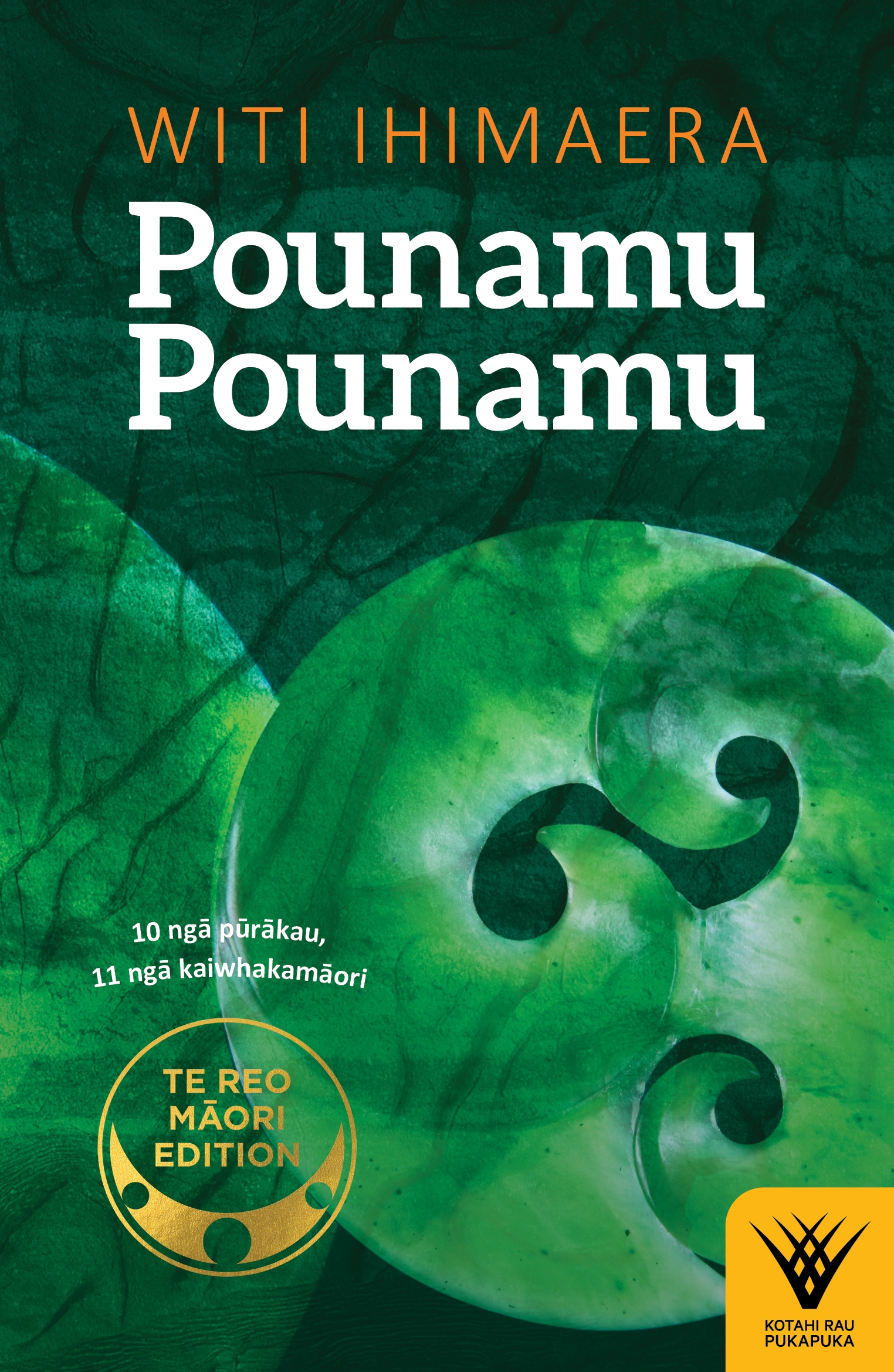
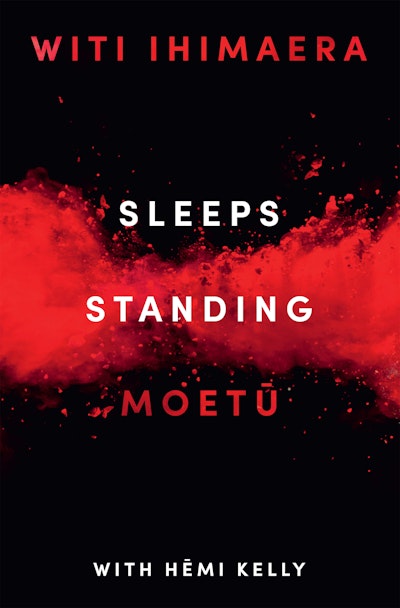
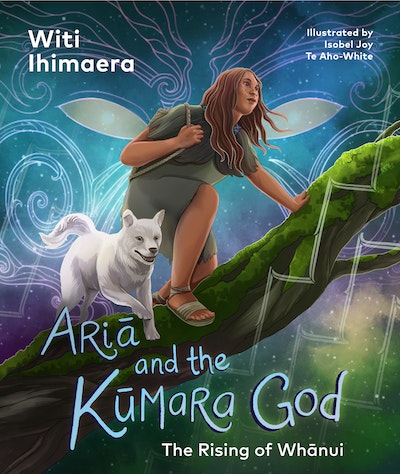
Witi Ihimaera’s first published book — Pounamu Pounamu — translated into te reo Māori. Published in collaboration with Kotahi Rau Pukapuka.
E rima tekau tau ki muri, ka puta mai a ‘Pounamu Pounamu’ hei kai mā te ao pānui reo Pākehā. Ko te whakataunga a ngā mana mātauranga o Aotearoa o taua wā, he pukapuka tēnei mā ngā tamariki i ngā kura o te motu whānui.
Kua huri te ao, kua hipa te wā, ko tēnei a ‘Pounamu Pounamu’ e horahia nei hei hākari mā te kaipānui reo Māori, ko ia rā pea te mokopuna a te kaipānui reo Pākehā o mua.
Ka pēhea te kawe i te wairua o tēnei kohinga kōrero e rangiwhāwhā nei te pānuitia, kia rangona tonutia ai te kounga o te kupu Pākehā? Me kawe tonu i te pukuhohe o He Kēmu Kāri, i te ngau mamae o Tangi, i te hōhonu o te aroha o Te Tamaiti.
Kua whakautua taua karanga e ngā kaiwhakawhiti reo Māori tekau mā tahi i noho rā hei pia i Te Panekiretanga o te Reo me ngā Kura Reo. He mea hōmiromiro ā rātou whakamāoritanga e te kāhui hihira, e Mākoha Gardiner rātou ko Pānia Papa, ko Hēni Jacob, ko Stephanie Tibble. Kei roto nei ngā hua o tā ngā kāhui nei whakaheke tōtā, e kitea ai, e rangona ai hoki te puāwaitanga o te reo Māori me ngā reo ā-iwi i roto i ngā tau.
Kei te tū rangatira tonu ngā kupu i rere mai ai i te pene a Witi Ihimaera, nāna te huarahi i para hei whai mā te kaituhi kaupapa Māori. Me mihi, ka tika.
Ko Kotahi Rau Pukapuka te waka. Ko te pae tawhiti, kia 100 ngā pukapuka reo Māori ka pae ki uta. Ko te whāinga, kia puāwai te aroha ki te reo mā te rau pukapuka. Tēnei mātou e pōhiri ana i a Penguin Random House hei hoa whakatere, hei hoa whakatutuki i ngā wawata o te hunga e ngākaunui ana ki te reo Māori.
Witi Ihimaera Smiler is a prolific and accomplished New Zealand author whose body of work centring Māori culture and values has blazed a trail for Māori and indigenous writers around the world. He has published more than forty works for adults and children, including novels, memoir, non-fiction and short stories. Described by Metro magazine as ‘Part oracle, part memorialist,’ and ‘an inspired voice, weaving many stories together’, Ihimaera has also written for stage and screen – including libretti – edited books on the arts and culture and published a range of works for children.
His best-known novel is The Whale Rider, which was made into an internationally successful film in 2002. His novel Nights in the Gardens of Spain was made into the feature film Kawa, White Lies was based on his novella Medicine Woman and his novel Bulibasha, King of the Gypsies inspired the 2016 feature film Mahana.
His first book, Pounamu, Pounamu, has been continuously in print since its first publication in 1972. His works have received many awards over the years, including the Wattie Book of the Year and the Montana Book Award, and the Ockham Award for best non-fiction in 2016 for his first volume of memoir, Māori Boy. A second volume, Native Son, was published in 2019, the same year that Pūrākau, which he co-edited, was released: celebrating the work of other writers has also been an important part of Ihimaera’s focus. In 2020 he published his substantial nonfiction work, Navigating the Stars, and The Swimmer followed in 2026.
He has also had careers in diplomacy, teaching, theatre, opera, film and television.
He has received numerous awards for his contribution to literature. In 2004 he became a Distinguished Companion of the Order of New Zealand, and in 2009 he was awarded the inaugural Star of Oceania Award, University of Hawaii, a laureate award from the New Zealand Arts Foundation and the Toi Māori Tiketike Award. The Premio Ostana International Award was presented to him in Italy 2010. In 2017 France made him Chevalier de l'ordre des Arts et des Lettres and he received the New Zealand Prime Minister’s Award for Literary Achievement in Fiction.
On receiving the supreme Māori arts award Te Tohutiketike a Te Waka Toi, Ihimaera said, ‘To be given Māoridom’s highest cultural award, well, it’s recognition of the iwi. Without them, I would have nothing to write about and there would be no Ihimaera. So this award is for all those ancestors who have made us all the people we are. It is also for the generations to come, to show them that even when you aren’t looking, destiny has a job for you to do.’