> Skip to content
[]
Play sample
  • Published: 21 February 2001
  • ISBN: 9780141185415
  • Imprint: Penguin Classics
  • Format: Paperback
  • Pages: 256
  • RRP: $28.00

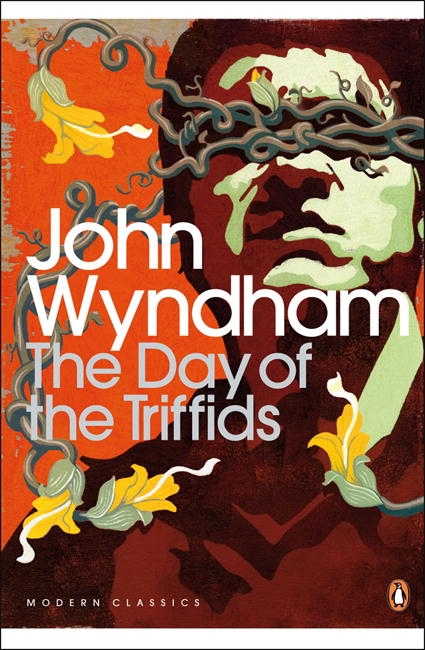
The Day of the Triffids


The most famous catastrophe novel of the twentieth century, published as a Penguin Essential for the first time.

When Bill Masen wakes up blindfolded in hospital there is a bitter irony in his situation. Carefully removing his bandages, he realizes that he is the only person who can see: everyone else, doctors and patients alike, have been blinded by a meteor shower. Now, with civilization in chaos, the triffids - huge, venomous, large-rooted plants able to 'walk', feeding on human flesh - can have their day.

The Day of the Triffids, published in 1951, expresses many of the political concerns of its time: the Cold War, the fear of biological experimentation and the man-made apocalypse. However, with its terrifyingly believable insights into the genetic modification of plants, the book is more relevant today than ever before.

  • Published: 21 February 2001
  • ISBN: 9780141185415
  • Imprint: Penguin Classics
  • Format: Paperback
  • Pages: 256
  • RRP: $28.00

About the author

John Wyndham

John Wyndham was born in 1903 in the Midlands. After leaving school, he tried his hand at several careers, including farming, law and advertising, before starting to write stories in 1925. During the war he worked as a censor in the Ministry of Information and afterwards served in the Army. The Day of The Triffids was published in 1951, and was followed by many other famous works of science fiction, including The Kraken Wakes, The Chrysalids and The Midwich Cuckoos. Wyndham died in 1969.

Also by John Wyndham

See all

Praise for The Day of the Triffids

One of those books that haunts you for the rest of your life

Sunday Times

Frightening and powerful, Wyndham’s vision remains an important allegory and a gripping story

Guardian

The best writer of science fiction that England has ever produced

Stephen King

Wyndham was a true English visionary, a William Blake with a science doctorate

David Mitchell

[Wyndham] did more than any other British writer since H. G. Wells to make science fiction popular... His plots, however fantastic, were characterized by inventiveness, clarity and a profound sympathy for mankind

New York Times