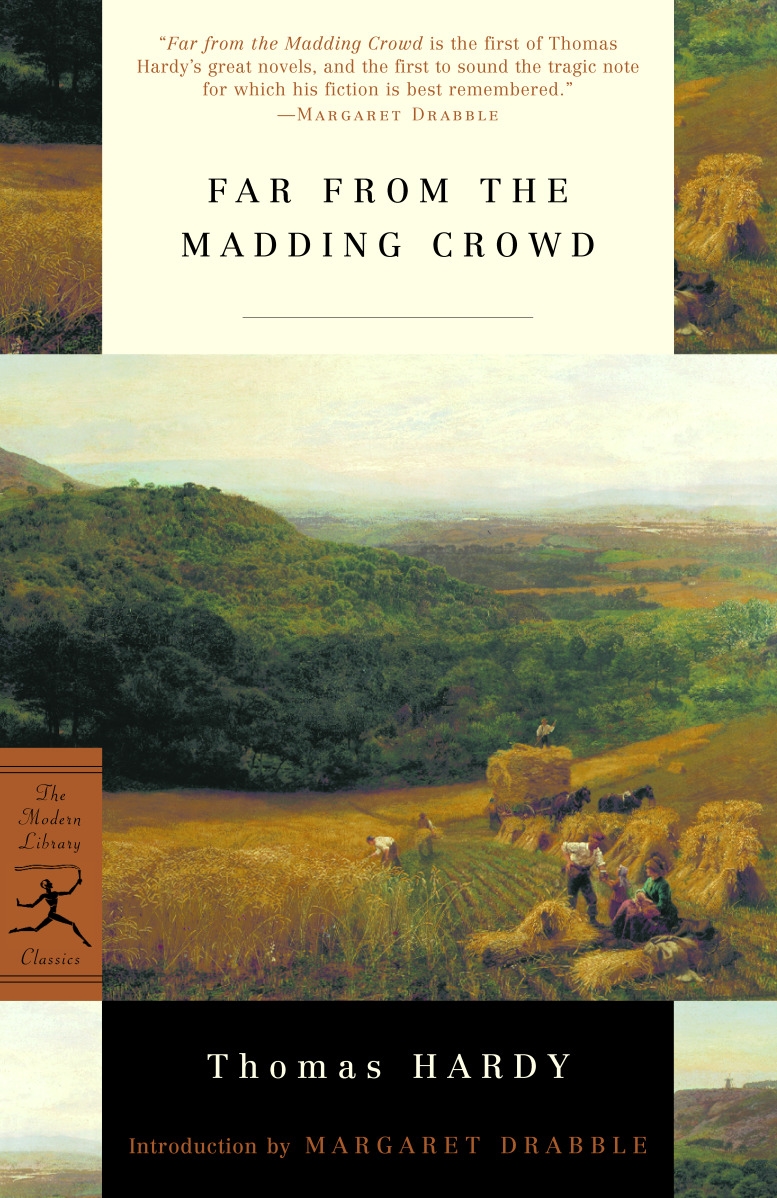
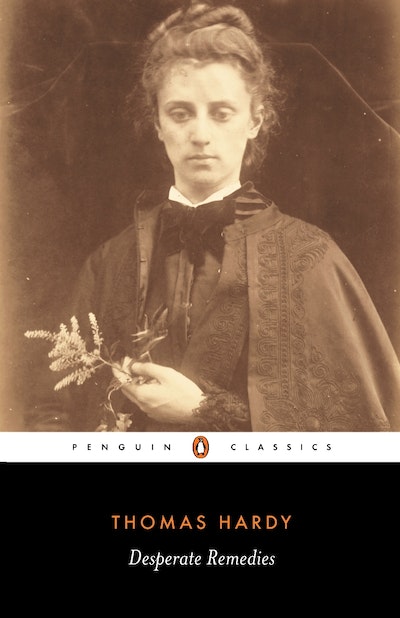
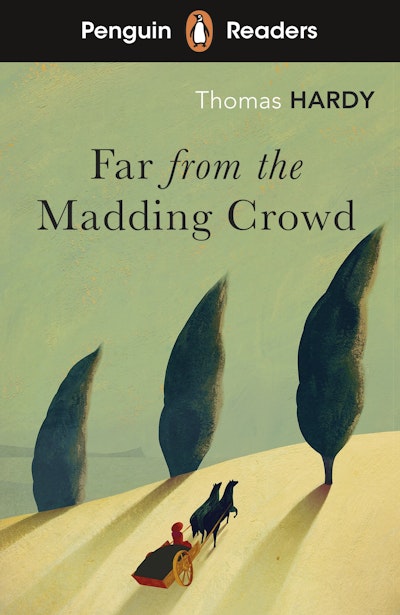
Set in his fictional Wessex countryside in southwest England, Far from the Madding Crowd was Thomas Hardy's breakthrough work. Though it was first published anonymously in 1874, the quick and tremendous success of Far from the Madding Crowd persuaded Hardy to give up his first profession, architecture, to concentrate on writing fiction. The story of the ill-fated passions of the beautiful Bathsheba Everdene and her three suitors offers a spectacle of country life brimming with an energy and charm not customarily associated with Hardy. ('When Farmer Oak smiled,' the novel begins, 'the corners of his mouth spread till they were within an unimportant distance of his ears. . . .')
The text is based on the authoritative Wessex Edition of 1912, revised and corrected by Hardy himself.
This edition is the companion volume to the Mobil Masterpiece Theatre WGBH television presentation broadcast on PBS. It stars Paloma Baeza as Bathsheba Everdene, Nathaniel Parker as Gabriel Oak, Nigel Terry as Mr. Boldwood, and Jonathan Firth as Frank Troy. Adapted by Philomena McDonagh, Far from the Madding Crowd is directed by Nick Renton.