- Published: 20 April 2005
- ISBN: 9780141441023
- Imprint: Penguin Classics
- Format: Paperback
- Pages: 176
- RRP: $21.00
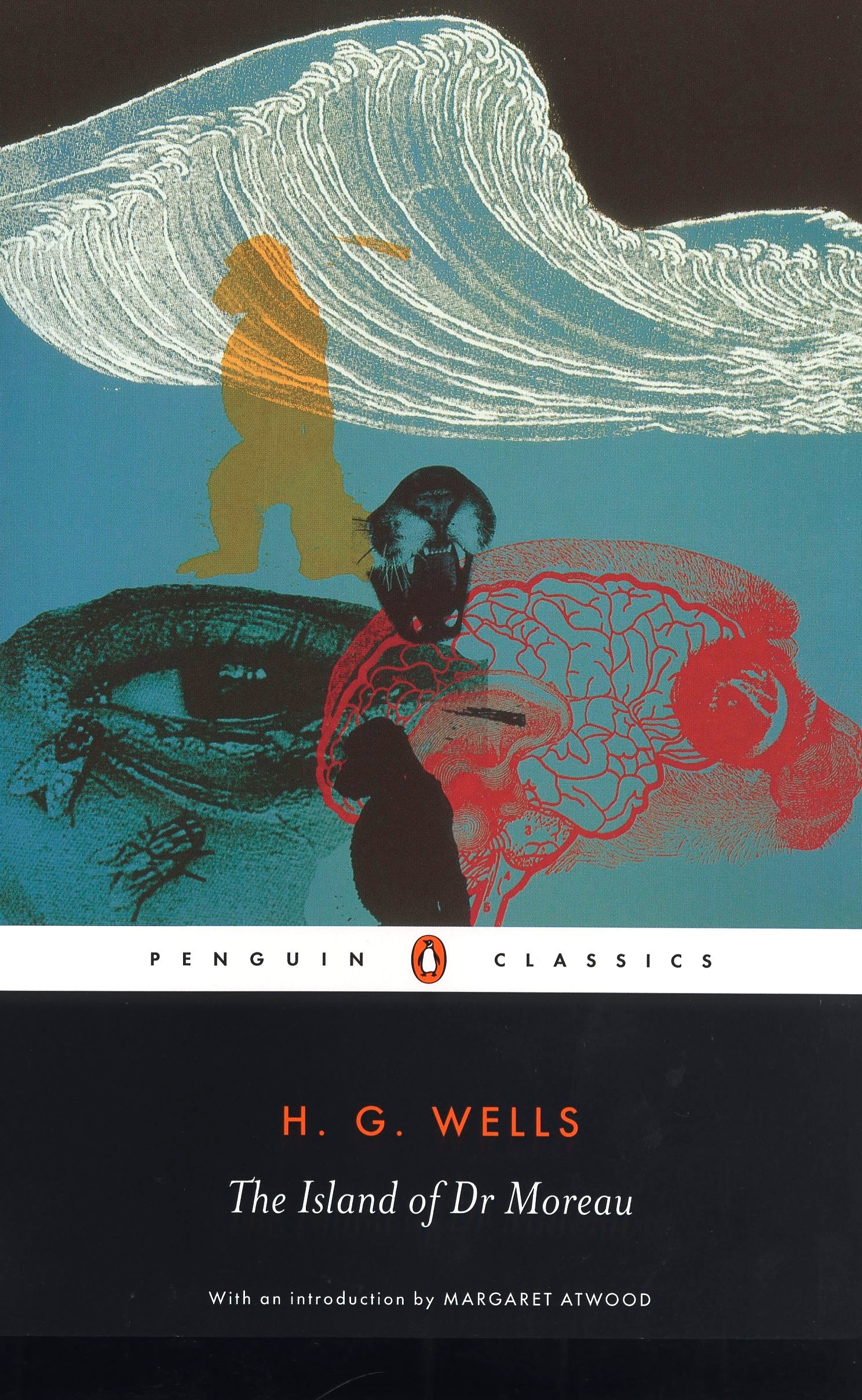
The Island of Doctor Moreau
Rediscover H.G. Wells - what does he mean to you?
Adrift in a dinghy, Edward Prendick, the single survivor from the good ship Lady Vain, is rescued by a vessel carrying a profoundly unusual cargo - a menagerie of savage animals. Tended to recovery by their keeper Montgomery, who gives him dark medicine that tastes of blood, Prendick soon finds himself stranded upon an uncharted island in the Pacific with his rescuer and the beasts. Here, he meets Montgomery's master, the sinister Dr. Moreau - a brilliant scientist whose notorious experiments in vivisection have caused him to abandon the civilised world. It soon becomes clear he has been developing these experiments - with truly horrific results.
- Published: 20 April 2005
- ISBN: 9780141441023
- Imprint: Penguin Classics
- Format: Paperback
- Pages: 176
- RRP: $21.00
Other books in the series
About the author
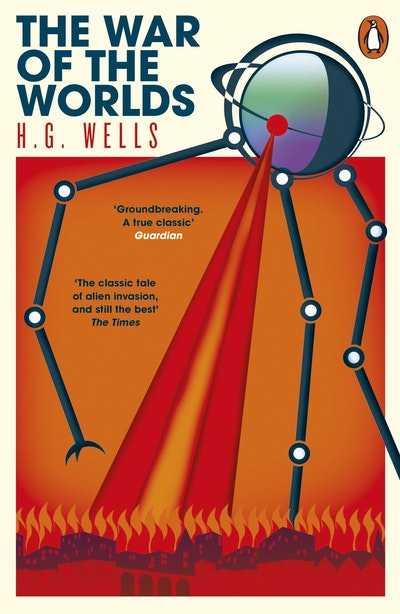
English novelist, journalist, sociologist, and historian, whose science fiction stories have been filmed many times. WELLS’ best known works are THE TIME MACHINE, one of the first modern science fiction stories, THE INVISIBLE MAN, and THE WAR OF THE WORLDS. Wells wrote over a hundred of books, about fifty of them novels.
H.G. Wells was born in Bromley, Kent, in 1866. After an education repeatedly interrupted by his family’s financial problems, he eventually found work as a teacher at a succession of schools, where he began to write his first stories.
Wells became a prolific writer with a diverse output, of which the famous works are his science fiction novels. These are some of the earliest and most influential examples of the genre, and include classics such as The Time Machine and The War of the Worlds. Most of his books very well-received, and had a huge influence on many younger writers, including George Orwell and Isaac Asimov. Wells also wrote many popular non-fiction books, and used his writing to support the wide range of political and social causes in which he had an interest, although these became increasingly eccentric towards the end of his life.
Twice-married, Wells had many affairs, including a ten-year liaison with Rebecca West that produced a son. He died in London in 1946.