> Skip to content
[]
  • Published: 2 July 2002
  • ISBN: 9780140447866
  • Imprint: Penguin Classics
  • Format: Paperback
  • Pages: 368
  • RRP: $26.00
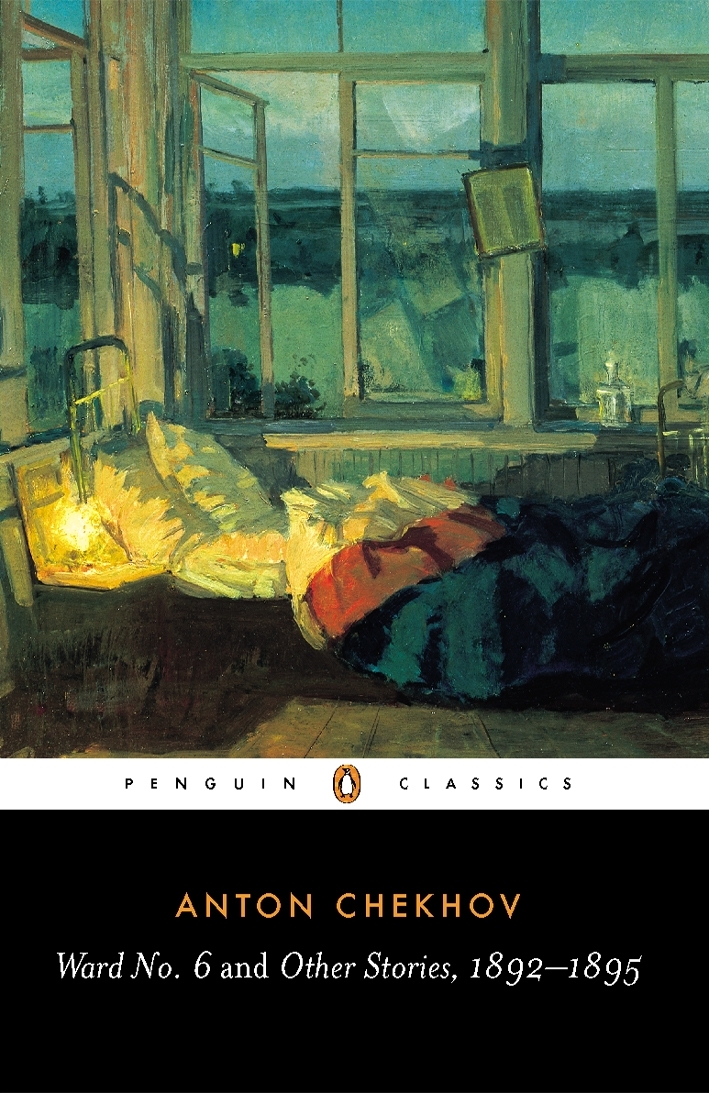
Ward No. 6 and Other Stories, 1892-1895


A collection of nine of Chekhov's short stories from the middle period of his life

These stories from the middle period of Chekhov's career show him exploring complex, ambiguous and often extreme emotions. Influenced by his own experiences as a doctor, 'Ward No. 6', set in a mental hospital, is a savage indictment of the medical profession. 'The Black Monk', portraying an academic who has strange hallucinations, explores ideas of genius and insanity; in 'Murder', religious fervour leads to violence; while in 'The Student', Chekhov's favourite story, a young man recounts a tale from the gospels and undergoes a spiritual epiphany. In all the stories collected here, Chekhov's characters face madness, alienation and frustration before they experience brief, ephemeral moments of insight, often earned at great cost, where they confront the reality of their existence.

  • Published: 2 July 2002
  • ISBN: 9780140447866
  • Imprint: Penguin Classics
  • Format: Paperback
  • Pages: 368
  • RRP: $26.00

Other books in the series

Russian Thinkers
The New Penguin Book Of American Short Stories, From Washington Irving To Lydia Davis
When You Are Old
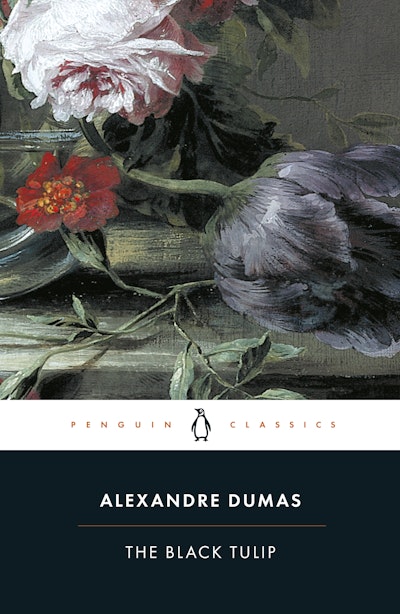
The Black Tulip
The Lady of the Camellias
The Good Soldier
Selected Poetry
Man and Superman
Military Dispatches
The Prelude

About the author

Anton Chekhov

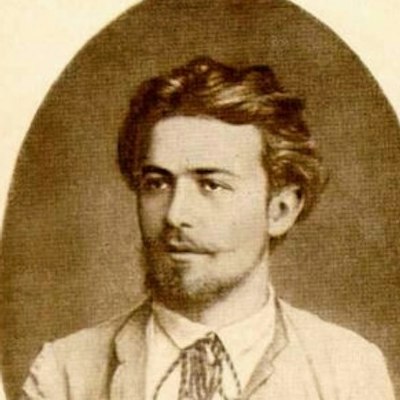
ANTON CHEKHOV (1860–1904) is regarded as one of the world’s masters of the short story. The son of a hapless shopkeeper and grandson of a former serf, Chekhov began at the age of twenty to support his family through the publication of magazine pieces. The writing of these short works—many of which were collected in English for the first time in Seven Stories’ Undiscovered Chekhov and Little Apples—served as the author’s apprenticeship in literature, which was undertaken simultaneously with his studies to become a doctor. Both of these educations would leave their mark on the rising author. By the 1890s Chekhov had moved on to weightier journals, and he had drifted away from the practice of medicine; but his work would always be characterized by the copywriter’s vividness and the sober exactitude of a scientist. In an age of literary aristocrats, Chekhov did as much as any modern writer to democratize the profession. He used his talent to examine the lives of street urchins, déclassé provincials and frustrated reformers. By the time of his death from tuberculosis in 1904, all Russia and much of the world had taken heed of his credo: “For chemists there is nothing unclean on the earth. The writer must be as objective as the chemist.”

Also by Anton Chekhov

See all