[]
- Published: 1 January 1964
- ISBN: 9780140441185
- Imprint: Penguin Classics
- Format: Paperback
- Pages: 352
- RRP: $26.00
Categories:
Thus Spoke Zarathustra
Formats & editions
Penguin Classics relaunch
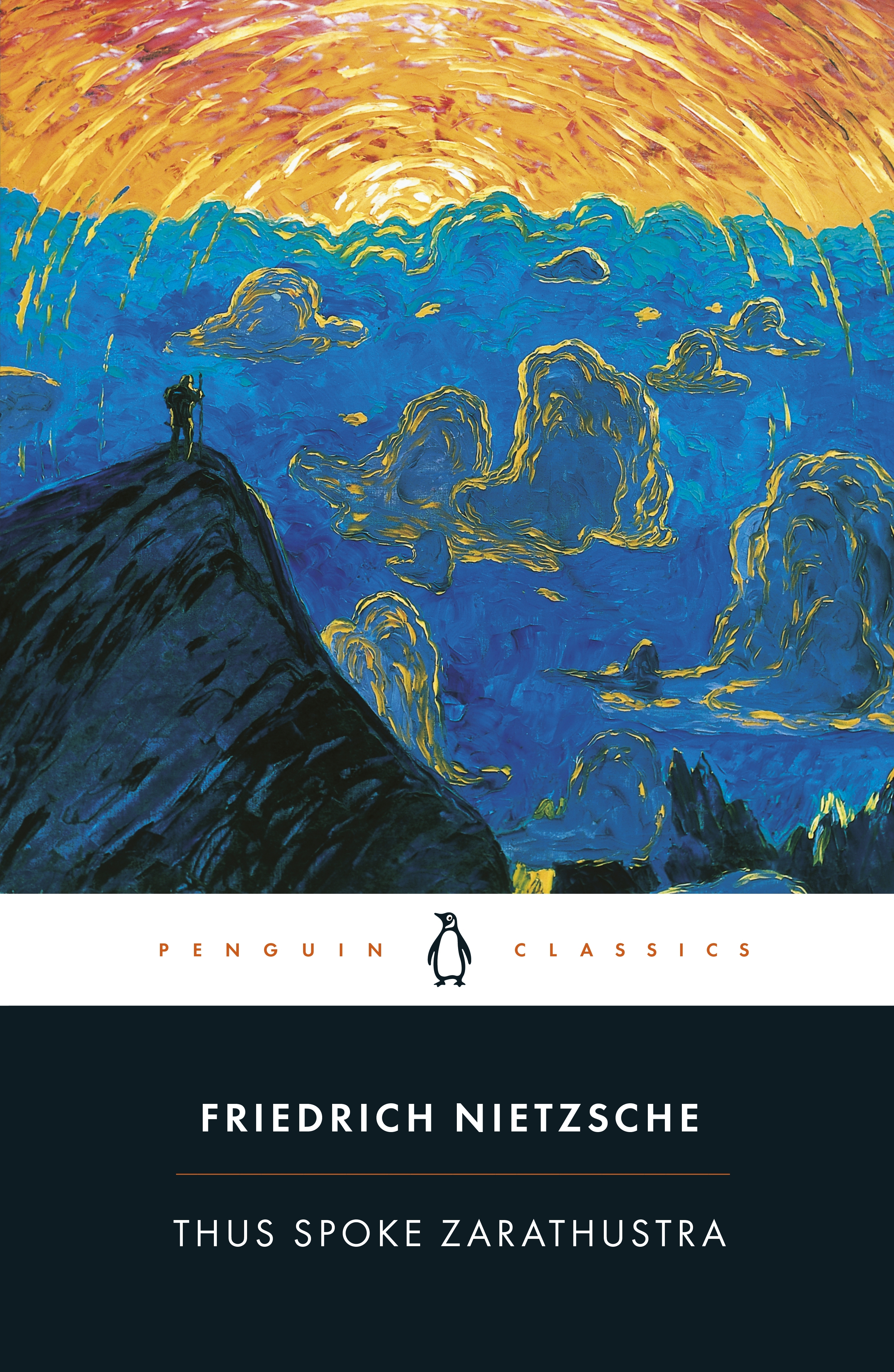
Nietzsche was one of the most revolutionary and subversive thinkers in Western philosophy, and Thus Spoke Zarathustra remains his most famous and influential work. It describes how the ancient Persian prophet Zarathustra descends from his solitude in the mountains to tell the world that God is dead and that the Superman, the human embodiment of divinity, is his successor. With blazing intensity and poetic brilliance, Nietzsche argues that the meaning of existence is not to be found in religiouspieties or meek submission, but in an all-powerful life force: passionate, chaotic & free.
- Published: 1 January 1964
- ISBN: 9780140441185
- Imprint: Penguin Classics
- Format: Paperback
- Pages: 352
- RRP: $26.00
Categories:
Other books in the series
The New Penguin Book Of American Short Stories, From Washington Irving To Lydia Davis
Edgar Allan Poe And Edith Wharton And Ernest Hemingway And Lydia Davis And Mark Twain And Washington Irving
A Dead Man's Memoir (A Theatrical Novel)
Mikhail Bulgakov
A Dog's Heart
Mikhail Bulgakov
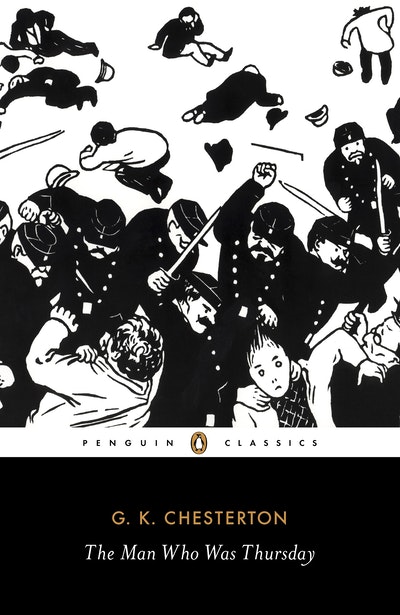
The Man Who Was Thursday
G. K. Chesterton
On the Origin of Species
Charles Darwin
The Voyage of the Beagle
Charles Darwin
The Black Tulip
Alexandre Dumas
The Lady of the Camellias
Alexandre Dumas fils
Faust, Part I
Goethe
Faust, Part II
Goethe
Selected Poetry
Goethe Johann Wolfgang Von
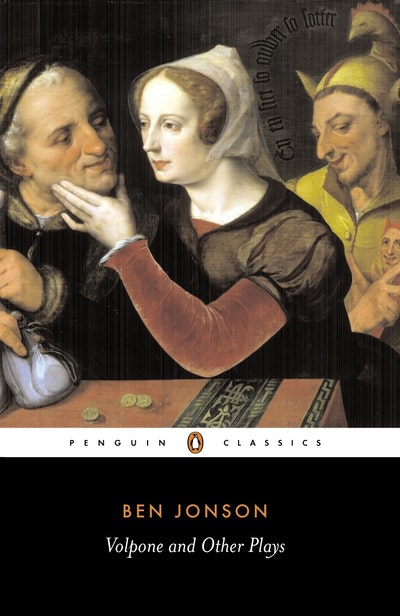
Volpone and Other Plays
Ben Jonson
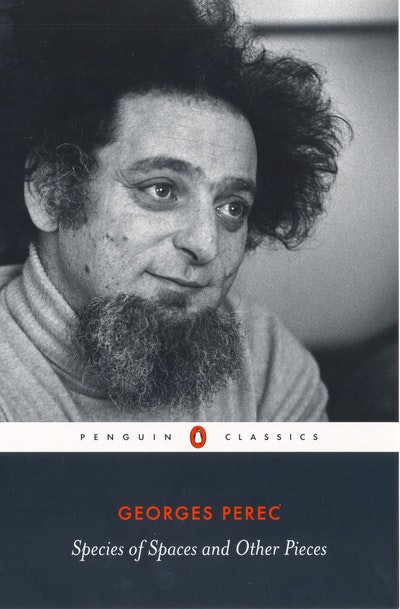
Species of Spaces and Other Pieces
Georges Perec
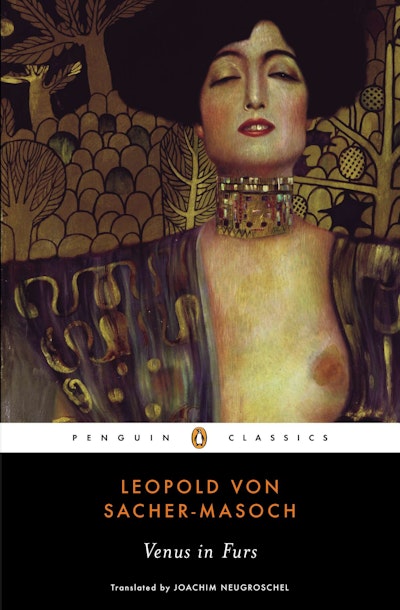
Venus in Furs
Leopold von Sacher-Masoch
Man and Superman
George Bernard Shaw
Botchan
Natsume Soseki
Military Dispatches
The Duke Of Wellington
The Prelude
William Wordsworth
About the author
Friedrich Nietzsche (1844-1900) was born near Leipzig. When he was twenty-four he was appointed to the chair of classical philology at Basel University. He published many works, including The Gay Science, Thus Spoke Zarathustra and Beyond Good and Evil. In 1889, Nietzsche collapsed and was subsequently institutionalized, spending the rest of his life in a condition of mental and physical paralysis. Works published after his death include Will to Power and his autobiography, Ecce Homo.