[]
- Published: 30 October 2014
- ISBN: 9780141394411
- Imprint: Penguin eBooks
- Format: EBook
- Pages: 740
Categories:
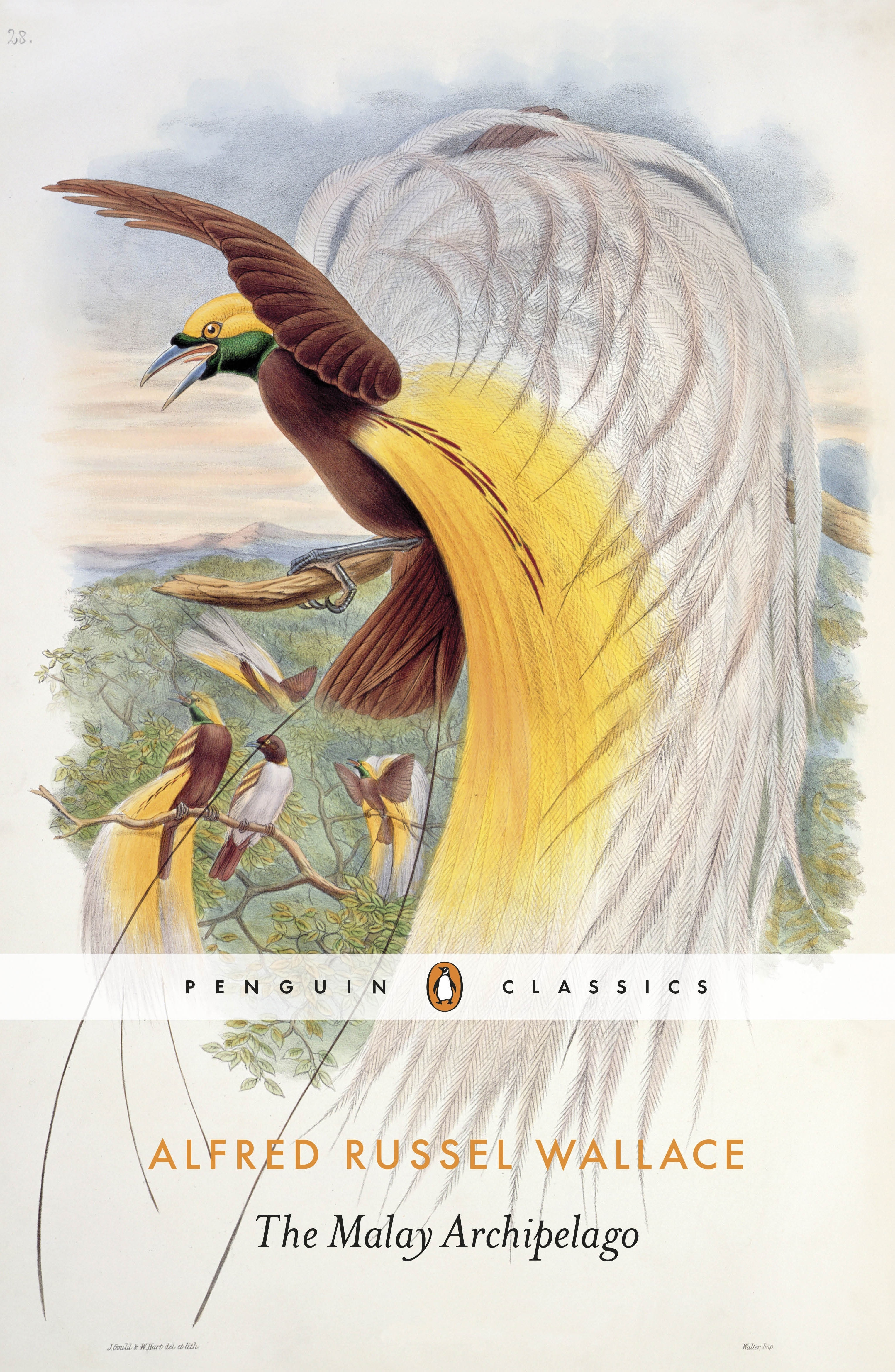
The Malay Archipelago
Formats & editions
Buy from…
The story of how one man travelled some 14,000 miles, collected 250,000 specimens and changed the face of science
Of all the extraordinary Victorian travelogues, The Malay Archipelago has a fair claim to be the greatest - both as a beautiful, alarming, vivid and gripping account of some eight years' travel across the entire Malay world - from Singapore to the western edges of New Guinea - and as the record of a great mind. As Wallace, often under conditions of terrible hardship and sickness, battles through jungles, lives with headhunters, and collects beetles, butterflies and birds-of-paradise, he makes discoveries about the workings of biology that have shaped our view of the world ever since.
- Published: 30 October 2014
- ISBN: 9780141394411
- Imprint: Penguin eBooks
- Format: EBook
- Pages: 740
Categories:
Other books in the series
The New Penguin Book Of American Short Stories, From Washington Irving To Lydia Davis
Edgar Allan Poe And Edith Wharton And Ernest Hemingway And Lydia Davis And Mark Twain And Washington Irving
A Dead Man's Memoir (A Theatrical Novel)
Mikhail Bulgakov
A Dog's Heart
Mikhail Bulgakov
The Man Who Was Thursday
G. K. Chesterton
On the Origin of Species
Charles Darwin
The Voyage of the Beagle
Charles Darwin
The Black Tulip
Alexandre Dumas
The Lady of the Camellias
Alexandre Dumas fils
Faust, Part I
Goethe
Faust, Part II
Goethe
Selected Poetry
Goethe Johann Wolfgang Von
Species of Spaces and Other Pieces
Georges Perec
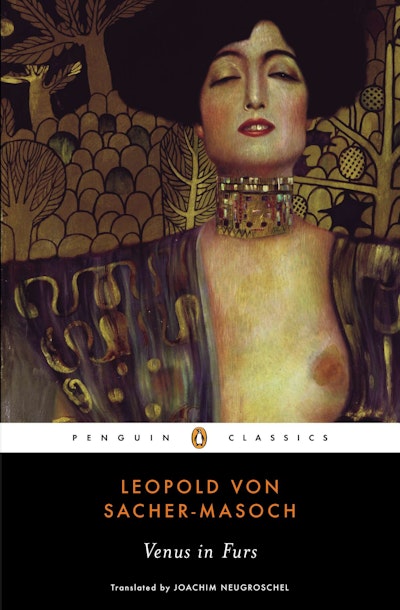
Venus in Furs
Leopold von Sacher-Masoch
Man and Superman
George Bernard Shaw
Botchan
Natsume Soseki
Military Dispatches
The Duke Of Wellington
The Prelude
William Wordsworth
About the author
Alfred Russel Wallace (1823-1913) was one of the most important and likeable British scientists of the 19th century. A field researcher of genius, he spent many years in Brazil and southeast Asia, identifying many new species and, independently of Darwin, before developing - in parallel to Darwin - the theory of evolution through natural selection. He effectively created the whole field of 'bio-geography', with the great split between Eurasian and Australasian flora and fauna, which runs through the Malay archipelago, now named the Wallace Line. His research on warning colouration and speciation continues to shape modern research.