[]
- Published: 31 May 1984
- ISBN: 9780141934884
- Imprint: Penguin eBooks
- Format: EBook
- Pages: 288
Categories:
Rights of Man
Formats & editions
Buy from…
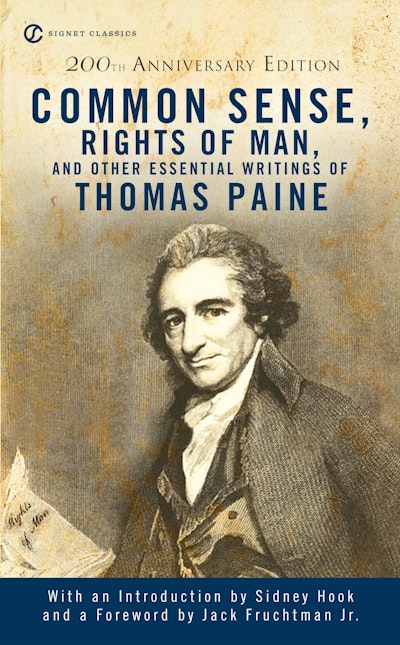
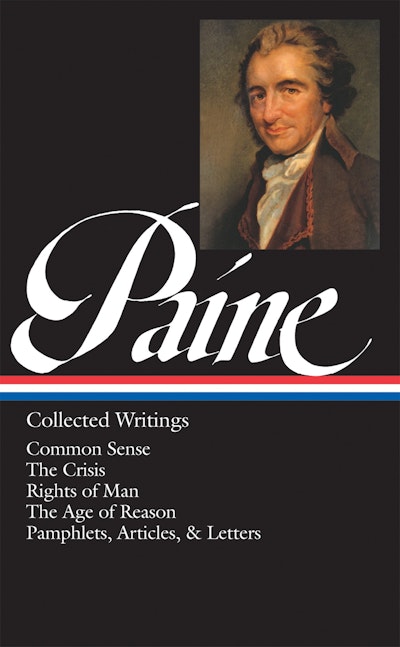
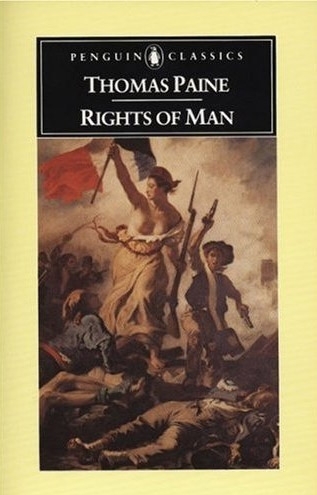
One of the great classics on democracy, Rights of Man was published in England in 1791 as a vindication of the French Revolution and a critique of the British system of government. In direct, forceful prose, Paine defends popular rights, national independence, revolutionary war, and economic growth - all considered dangerous and even seditious issues. In his introduction Eric Foner presents an overview of Paine's career as political theorist and pamphleteer, and supplies essential background material to Rights of Man. He discusses how Paine created a language of modern politics that brought important issues to the common man and the working classes and assesses the debt owed to Paine by the American and British radical traditions.
- Published: 31 May 1984
- ISBN: 9780141934884
- Imprint: Penguin eBooks
- Format: EBook
- Pages: 288
Categories:
Other books in the series
The Complete Fables
Aesop
Emma
Jane Austen
Pride and Prejudice
Jane Austen
Mansfield Park
Jane Austen
Northanger Abbey
Jane Austen
Persuasion
Jane Austen
Sense and Sensibility
Jane Austen
A Dead Man's Memoir (A Theatrical Novel)
Mikhail Bulgakov
A Dog's Heart
Mikhail Bulgakov
The Man Who Was Thursday
G. K. Chesterton
The Black Tulip
Alexandre Dumas
The Lady of the Camellias
Alexandre Dumas fils
The Man in the Iron Mask
Alexandre Dumas
The Three Musketeers
Alexandre Dumas
Faust, Part I
Goethe
Faust, Part II
Goethe
Selected Poetry
Goethe Johann Wolfgang Von
The Nibelungenlied
Hatto A T
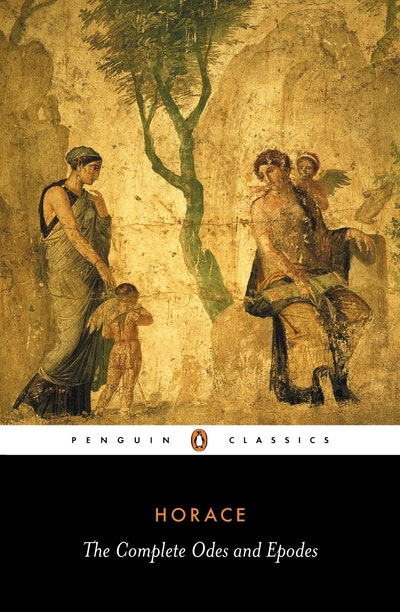
The Complete Odes and Epodes
Horace
The Garden Party and Other Stories
Katherine Mansfield
The Aeneid
Virgil
Species of Spaces and Other Pieces
Georges Perec
The Age of Alexander
Plutarch
Fall Of The Roman Republic
Plutarch
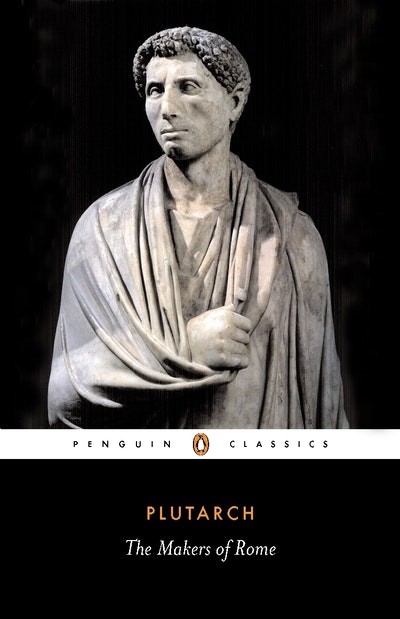
The Makers of Rome
Plutarch
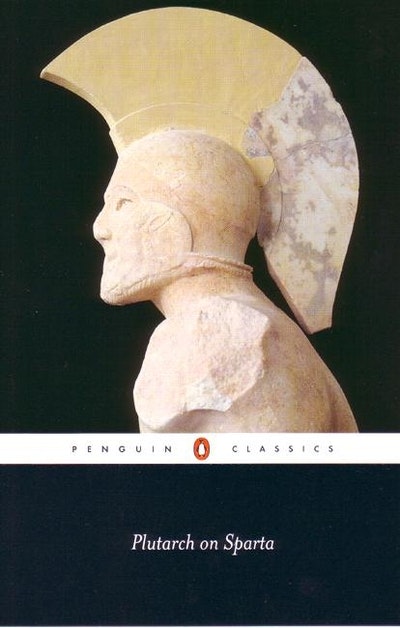
On Sparta
Plutarch
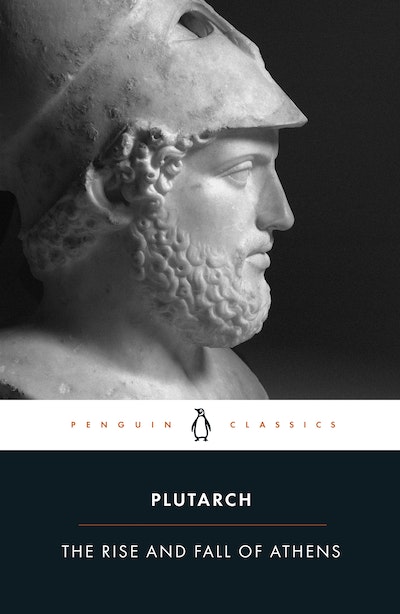
The Rise And Fall of Athens
Plutarch
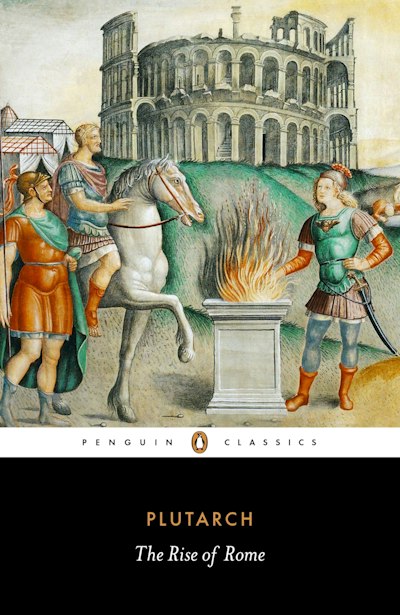
The Rise of Rome
Plutarch
Rome in Crisis
Plutarch
Man and Superman
George Bernard Shaw
Saint Joan
George Bernard Shaw
Botchan
Natsume Soseki
Kusamakura
Natsume Soseki
The Charterhouse of Parma
Stendhal
Love
Stendhal
The Red and the Black
Stendhal
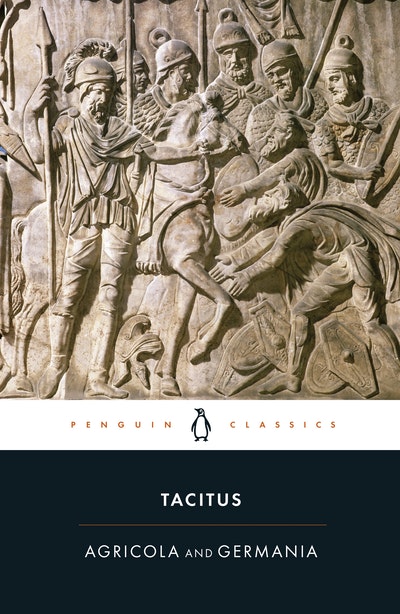
Agricola and Germania
Tacitus
Annals
Tacitus
The Annals of Imperial Rome
Tacitus
Selected Poems
Rabindranath Tagore
Military Dispatches
The Duke Of Wellington
Around the World in Eighty Days
Jules Verne
Journey to the Centre of the Earth
Jules Verne
Twenty Thousand Leagues Under the Sea
Jules Verne
Treatise On Toleration
Voltaire
About the author
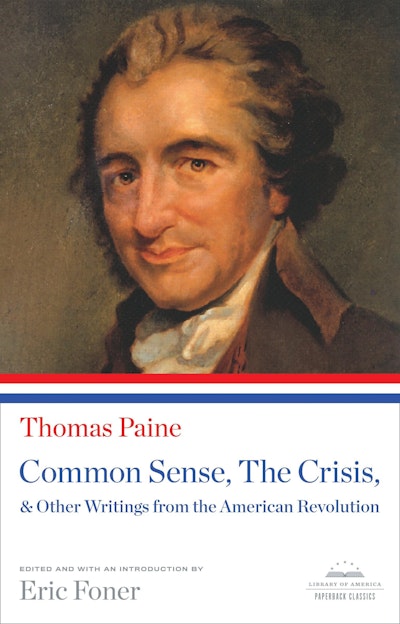
Thomas Paine was born in Thetford, England, in 1737, the son of a staymaker. He had little schooling and worked at a number of jobs, including tax collector, a position he lost for agitating for an increase in excisemen's pay. Persuaded by Benjamin Franklin, he emigrated to America in 1774. In 1776 he began his American Crisis series of thirteen pamphlets, and also published the incalculably influential Common Sense, which established Paine not only as a truly revolutionary thinker, but as the American Revolution's fiercest political theorist. In 1787 Paine returned to Europe, where he became involved in revolutionary politics.
In England his books were burned by the public hangman. Escaping to France, Paine took part in drafting the French constitution and voted against the king's execution. He was imprisoned for a year and narrowly missed execution himself. In 1802 he returned to America and lived in New York State, poor, ill and largely despised for his extremism and so-called atheism (he was in fact a deist). Thomas Paine died in 1809. His body was exhumed by William Cobbett, and the remains were taken to England for a memorial burial. Unfortunately, the remains were subsequently lost.