A new translation by David Raeburn, with introduction and notes by Pat Easterling
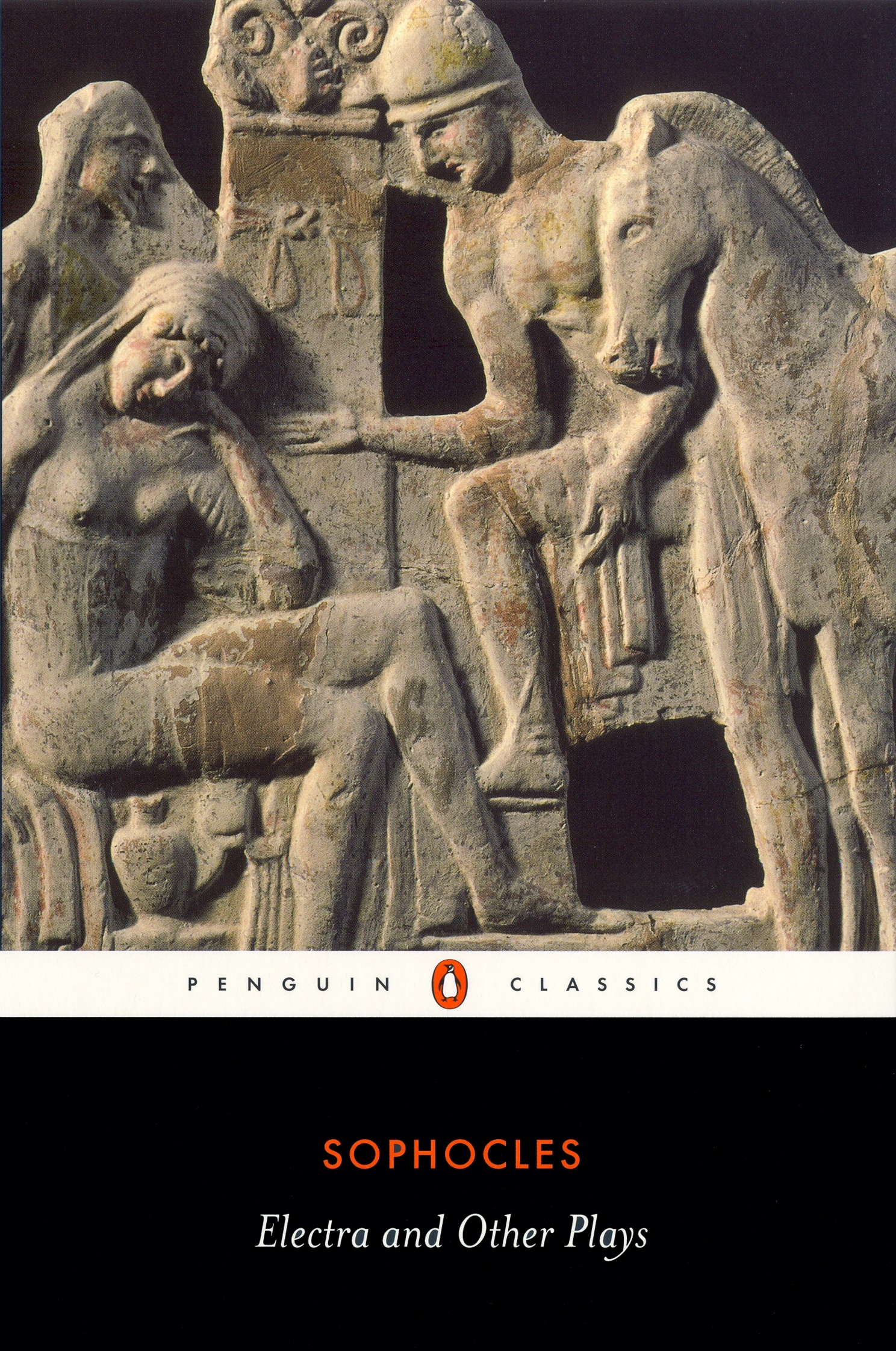
Sophocles' innovative plays transformed Greek myths into dramas featuring complex human characters, through which he explored profound moral issues. Electra portrays the grief of a young woman for her father Agamemnon, who has been killed by her mother's lover. Aeschylus and Euripides also dramatized this story, but the objectivity and humanity of Sophocles' version provides a new perspective. Depicting the fall of a great hero, Ajax examines the enigma of power and weakness combined in one being, while the Women of Trachis portrays the tragic love and error of Heracles' deserted wife Deianeira, and Philoctetes deals with the conflict between physical force and moral strength.
Euripides is thought to have lived between 485 and 406 BC. He is considered to be one of the three great dramatists of Ancient Greece, alongside Aeschylus and Sophocles. He is particularly admired by modern audiences and readers for his characterization and astute and balanced depiction of human behaviour. Medea is his most famous work.
Date: 2013-08-06
Euripides is thought to have lived between 485 and 406 BC. He is considered to be one of the three great dramatists of Ancient Greece, alongside Aeschylus and Sophocles. He is particularly admired by modern audiences and readers for his characterization and astute and balanced depiction of human behaviour. Medea is his most famous work.
Robin Robertson is from the north-east coast of Scotland. He is the author of three collections of poetry: A Painted Field (1997), winner of the 1997 Forward Poetry Prize (Best First Collection), the Aldeburgh Poetry Festival Prize and the Saltire Society Scottish First Book of the Year Award; Slow Air (2002); and Swithering (2006). He is also the editor of Mortification: Writers' Stories of their Public Shame (2003). In 2004, he was named by the Poetry Book Society as one of the 'Next Generation' poets, and received the E. M. Forster Award from the American Academy of Arts and Letters. Robin Robertson's third poetry collection, Swithering (2006), was shortlisted for the 2005 T. S. Eliot Prize and won the 2006 Forward Poetry Prize (Best Poetry Collection of the Year). In 2013 Robin Robertson was awarded the Petrarca-Preis. He lives and works in London.
Euripides, the youngest of the three great Athenian playwrights, was born around 485 BC of a family of good standing. He first competed in the dramatic festivals in 455 BC, coming only third; his record of success in the tragic competitions is lower than that of either Aeschylus or Sophocles. There is a tradition that he was unpopular, even a recluse; we are told that he composed poetry in a cave by the sea, near Salamis. What is clear from contemporary evidence, however, is that audiences were fascinated by his innovative and often disturbing dramas. His work was controversial already in his lifetime, and he himself was regarded as a 'clever' poet, associated with philosophers and other intellectuals.
Towards the end of his life he went to live at the court of Archelaus, king of Macedon. It was during his time there that he wrote what many consider his greates work, the Bacchae. When news of his death reached Athens in early 406 BC, Sophocles appeared publicly in mourning for him. Euripides is thought to have written about ninety-two plays, of which seventeen tragedies and one satyr-play known to be his survive; the other play which is attributed to him, the Rhesus, may in fact be by a later hand.
Sophocles was born just outside Athens, in 496 BC, and lived ninety years. His long life spanned the rise and decline of the Athenian Empire; he was a friend of Pericles, and though not an active politician he held several public offices, both military and civil. Sophocles wrote over a hundred plays for the Athenian theater, and is said to have come first in twenty-four contests. Only seven of his tragedies are now extant, these being Ajax, Antigone, Oedipus the King, Women of Trachis, Electra, Philoctetes, and the posthumous Oedipus at Colonus. He died in 406 BC.
Related titles
Our top books, exclusive content and competitions. Straight to your inbox.
Thank you! Please check your inbox and confirm your email address to finish signing up.