[]

Play sample
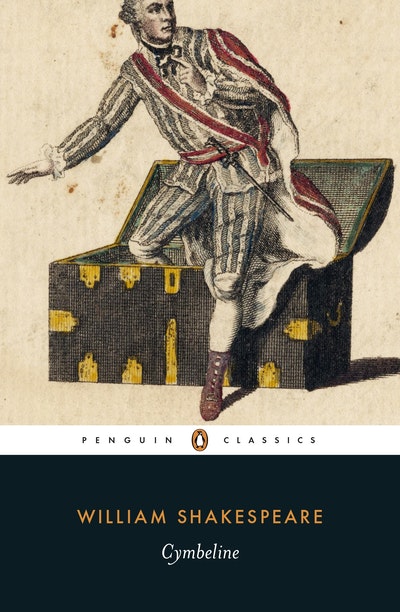
- Published: 24 May 2006
- ISBN: 9780141910819
- Imprint: Penguin eBooks
- Format: EBook
- Pages: 304
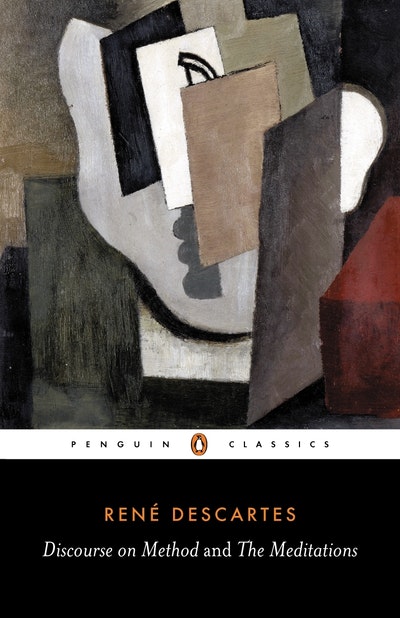
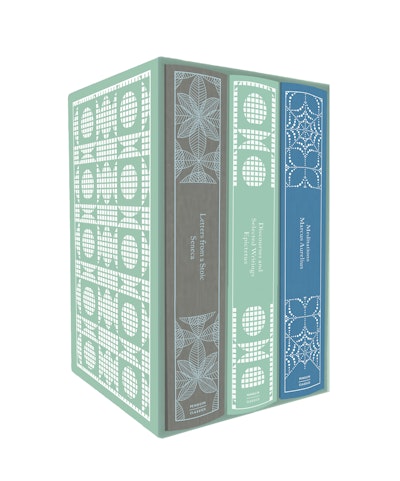
Meditations
Formats & editions


Buy from…


- Published: 24 May 2006
- ISBN: 9780141910819
- Imprint: Penguin eBooks
- Format: EBook
- Pages: 304