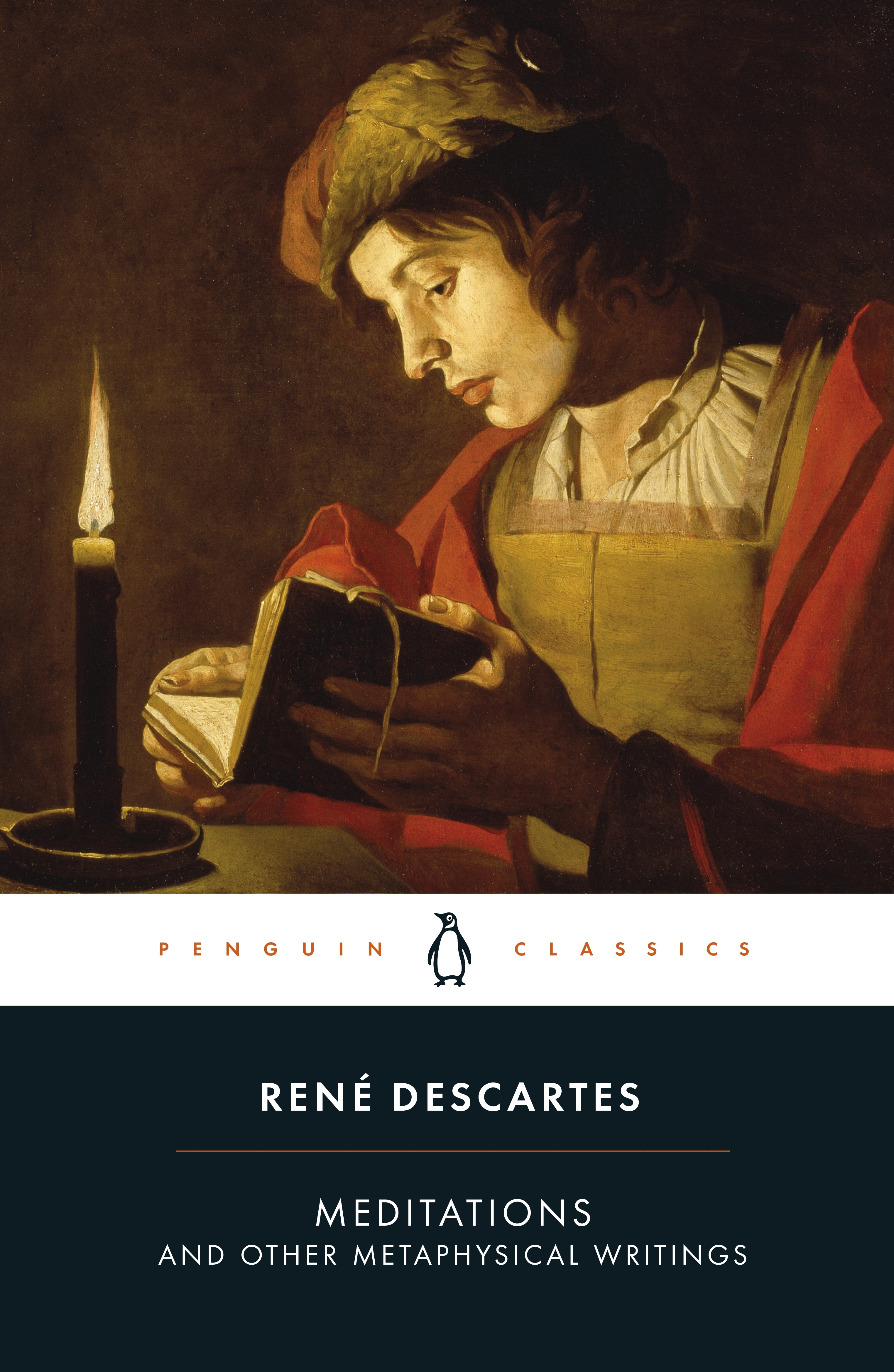
Of all the works of the man claimed by many as the father of modern philosophy, the MEDITATIONS, first published in 1641, must surely be Rene Descartes' masterpiece. This volume consists of not only a new translation of the original Latin text and the expanded objections and replies, but also includes selected correspondence and other metaphysical writings from the period 1641-49.
René Descartes was born in 1596 at La Haye (now called Descartes) near Tours, and educated at the Jesuit College at La Flèche. Like many of his contemporaries he contested the value of an education based on Aristotelianism and, after leaving college, attempted to resolve the sceptical crisis of his age by devising a method of reasoning modelled on the rigour and certainty of mathematics.
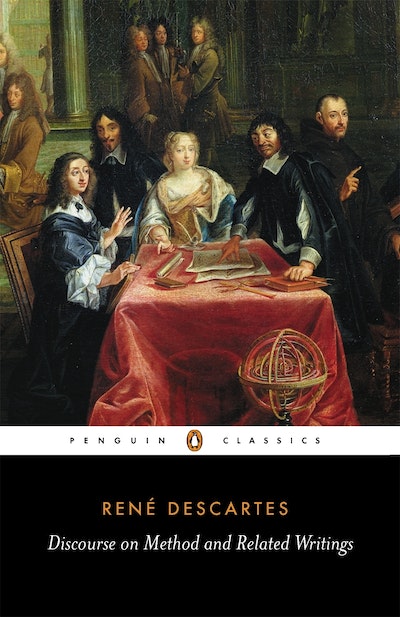
Despite claiming to avoid theological questions and stay within the scope of human reason, his writings involved him in numerous disputes with theologians of both the Catholic and (especially) the Reformed persuasion. In 1621, after a period spent in the Netherlands, Bohemia and Hungary as a soldier, he left the army and devoted himself to the study of science and philosophy. He retired to the Netherlands in 1628 and spent the next twenty years there, living and working in seclusion. Then in late 1649, after an invitation the previous year, he went to Sweden to take up a post instructing Queen Christina in philosophy.
Descartes' habit for many years was to rise not much before midmorning but the Queen wished to be tutored at five o'clock in the morning, three days a week. This and the cold weather placed a severe strain on Descartes' health and he contracted pneumonia, dying in Stockholm in early 1650, having only just begun to teach the Queen. His last words were reportedly a mon âme, il faut partir ('my soul, it is time to depart').