- Published: 1 May 2008
- ISBN: 9780099511472
- Imprint: Vintage Classics
- Format: Paperback
- Pages: 496
- RRP: $34.99
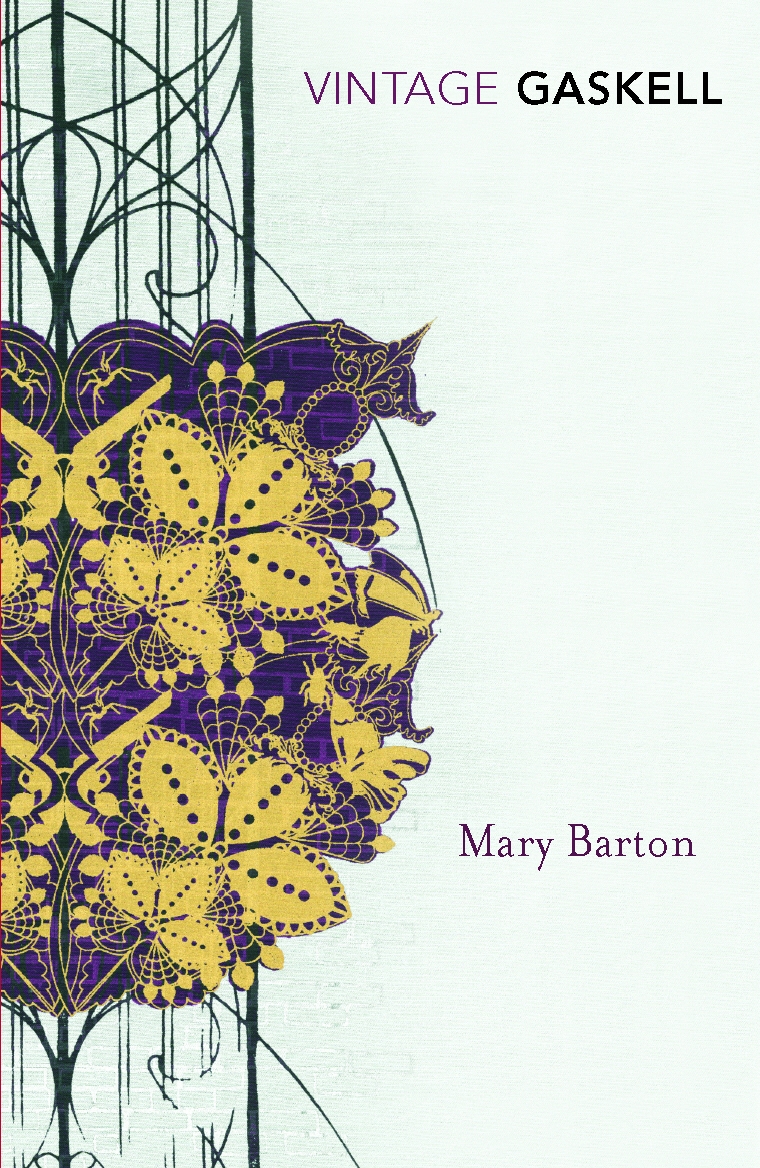
Mary Barton
A Tale of Manchester Life




- Published: 1 May 2008
- ISBN: 9780099511472
- Imprint: Vintage Classics
- Format: Paperback
- Pages: 496
- RRP: $34.99













































































































A story of scandal, class conflict and bitter rivalry
Guardian
Mary Barton is the first and arguably the finest of them. In it, early trade-union radicalism and competition between old industrial methods and new is the background to a powerful, often heartbreaking depiction of real rather than ideal Victorian family life
Independent
Elizabeth Gaskell, or Mrs Gaskell as she was known, also produced what has been called the first social novel. The living conditions she witnessed daily in her work among poor mill labourers spurred her to write a novel that would prick the social conscience of industrial Britain, while spinning a gripping yarn. It worked. "People on Turkish carpets," wrote one reviewer, "with their three meat meals a day, are wondering why working men turn Chartists and Communists. Do they want to know why? Let them read Mary Barton"
Independent on Sunday
People who read her always come away surprised at how modern she sounds. You don't have to think yourself into her century in order to sympathise, since her guiding principle was no more or less than a sense of practical, day-today justice, totally outside the abiding gentleman-lady-peasant-donkey-peasant's wife hierarchy which surrounded her.
Zoe Williams, Evening Standard