> Skip to content
[]
  • Published: 23 August 2002
  • ISBN: 9780141906270
  • Imprint: Penguin eBooks
  • Format: EBook
  • Pages: 416
Categories:

Plays


A collection of Chekhov's dramatic masterpieces

At a time when the Russian theatre was dominated by formulaic melodramas and farces, Chekhov created a new sort of drama that laid bare the everyday lives, loves and yearnings of ordinary people. Ivanov depicts a man stifled by inactivity and lost idealism, and The Seagull contrasts a young man's selfish romanticism with the stoicism of a woman cruelly abandoned by her lover. With 'the scenes from country life' of Uncle Vanya, his first fully mature play, Chekhov developed his own unique dramatic world, neither tragedy nor comedy. In Three Sisters the Prozorov sisters endlessly dream of going to Moscow to escape the monotony of provincial life, while his comedy The Cherry Orchard portrays characters futilely clinging to the past as their land is sold from underneath them.

  • Published: 23 August 2002
  • ISBN: 9780141906270
  • Imprint: Penguin eBooks
  • Format: EBook
  • Pages: 416
Categories:

Other books in the series

Russian Thinkers
The New Penguin Book Of American Short Stories, From Washington Irving To Lydia Davis
When You Are Old
The Black Tulip
The Lady of the Camellias
The Good Soldier
Selected Poetry
Man and Superman
Military Dispatches
The Prelude

About the author

Anton Chekhov

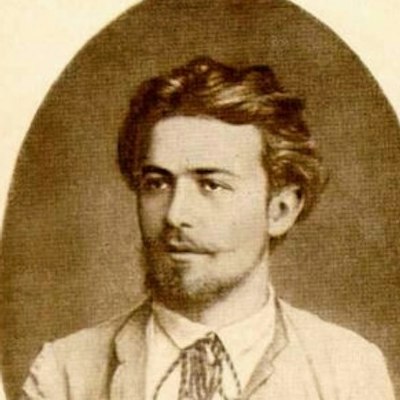
ANTON CHEKHOV (1860–1904) is regarded as one of the world’s masters of the short story. The son of a hapless shopkeeper and grandson of a former serf, Chekhov began at the age of twenty to support his family through the publication of magazine pieces. The writing of these short works—many of which were collected in English for the first time in Seven Stories’ Undiscovered Chekhov and Little Apples—served as the author’s apprenticeship in literature, which was undertaken simultaneously with his studies to become a doctor. Both of these educations would leave their mark on the rising author. By the 1890s Chekhov had moved on to weightier journals, and he had drifted away from the practice of medicine; but his work would always be characterized by the copywriter’s vividness and the sober exactitude of a scientist. In an age of literary aristocrats, Chekhov did as much as any modern writer to democratize the profession. He used his talent to examine the lives of street urchins, déclassé provincials and frustrated reformers. By the time of his death from tuberculosis in 1904, all Russia and much of the world had taken heed of his credo: “For chemists there is nothing unclean on the earth. The writer must be as objective as the chemist.”

Also by Anton Chekhov

See all