> Skip to content
[]
Play sample
  • Published: 1 December 1996
  • ISBN: 9780553211917
  • Imprint: Bantam Dell
  • Format: Paperback
  • Pages: 528
  • RRP: $16.99
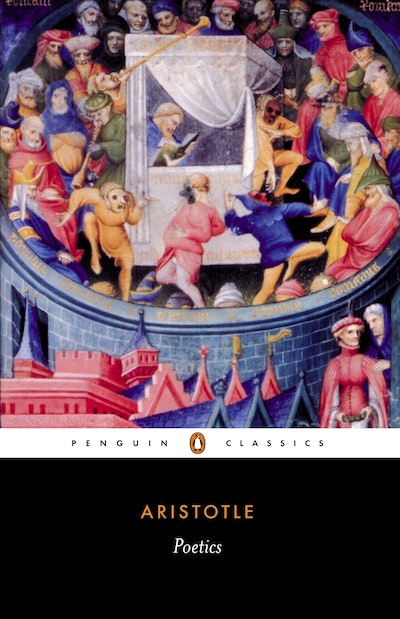
Jude the Obscure


Sue Bridehead, his last heroine, is an extaordinarily complex woman - an English Emma Bovary or Anna Karenina.

In 1895 Hardy’s final novel, the great tale of Jude the Obscure, sent shock waves of indignation rolling across Victorian England. Hardy had dared to write frankly about sexuality and to indict the institutions of marriage, education, and religion. But he had, in fact, created a deeply moral work. The stonemason Jude Fawley is a dreamer; his is a tragedy of unfulfilled aims. With his tantalizing cousin Sue Bridehead, the last and most extraordinary of Hardy’s heroines, Jude takes on the world—and discovers, tragically, its brutal indifference.

The most powerful expression of Hardy’s philosophy, and a profound exploration of man’s essential loneliness, Jude the Obscure is a great and beautiful book. “His style touches sublimity.” —T. S. Eliot

  • Published: 1 December 1996
  • ISBN: 9780553211917
  • Imprint: Bantam Dell
  • Format: Paperback
  • Pages: 528
  • RRP: $16.99
Other books in the series

Emma
Persuasion
A Dog's Heart
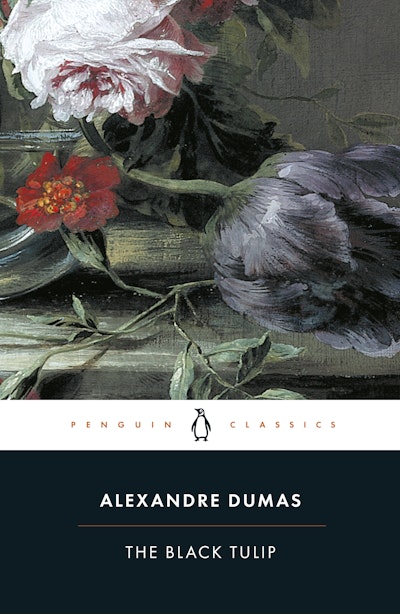
The Black Tulip
The Lady of the Camellias
Selected Poetry
On Sparta
Man and Superman
Saint Joan
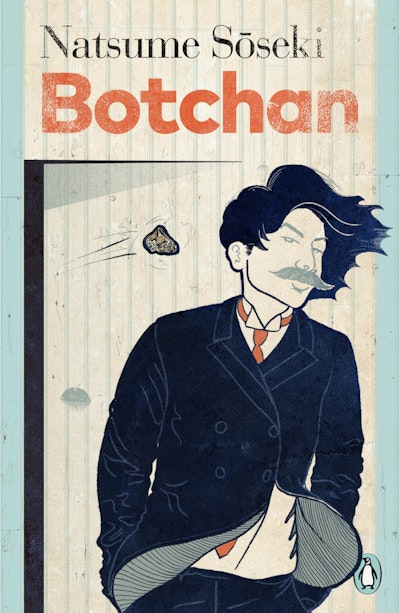
Botchan
Kusamakura
Sanshiro
Love
Annals
Military Dispatches

About the author

Thomas Hardy


Thomas Hardy was born in a cottage in Higher Bockhampton, near Dorchester, on 2 June 1840. He was educated locally and at sixteen was articled to a Dorchester architect, John Hicks. In 1862 he moved to London and found employment with another architect, Arthur Blomfield. He now began to write poetry and published an essay. By 1867 he had returned to Dorset to work as Hicks's assistant and began his first (unpublished) novel, The Poor Man and the Lady.

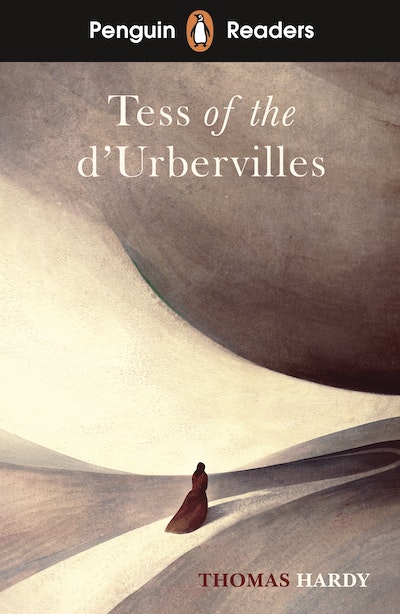
On an architectural visit to St Juliot in Cornwall in 1870 he met his first wife, Emma Gifford. Before their marriage in 1874 he had published four novels and was earning his living as a writer. More novels followed and in 1878 the Hardys moved from Dorset to the London literary scene. But in 1885, after building his house at Max Gate near Dorchester, Hardy again returned to Dorset. He then produced most of his major novels: The Mayor of Casterbridge (1886), The Woodlanders (1887), Tess of the D'Urbervilles (1891), The Pursuit of the Well-Beloved (1892) and Jude the Obscure (1895). Amidst the controversy caused by Jude the Obscure, he turned to the poetry he had been writing all his life. In the next thirty years he published over nine hundred poems and his epic drama in verse, The Dynasts.

After a long and bitter estrangement, Emma Hardy died at Max Gate in 1912. Paradoxically, the event triggered some of Hardy's finest love poetry. In 1914, however, he married Florence Dugdale, a close friend for several years. In 1910 he had been awarded the Order of Merit and was recognized, even revered, as the major literary figure of the time. He died on 11 January 1928. His ashes were buried in Westminster Abbey and his heart at Stinsford in Dorset.

Also by Thomas Hardy

See all